In recent years, micro laser systems have gained significant traction in the electronics industry. This rise sparks curiosity: why are micro laser systems used in electronics? These technologies deliver precision that traditional methods cannot match. Micro lasers enable intricate designs that cater to modern electronic demands, especially as devices become smaller and more complex.
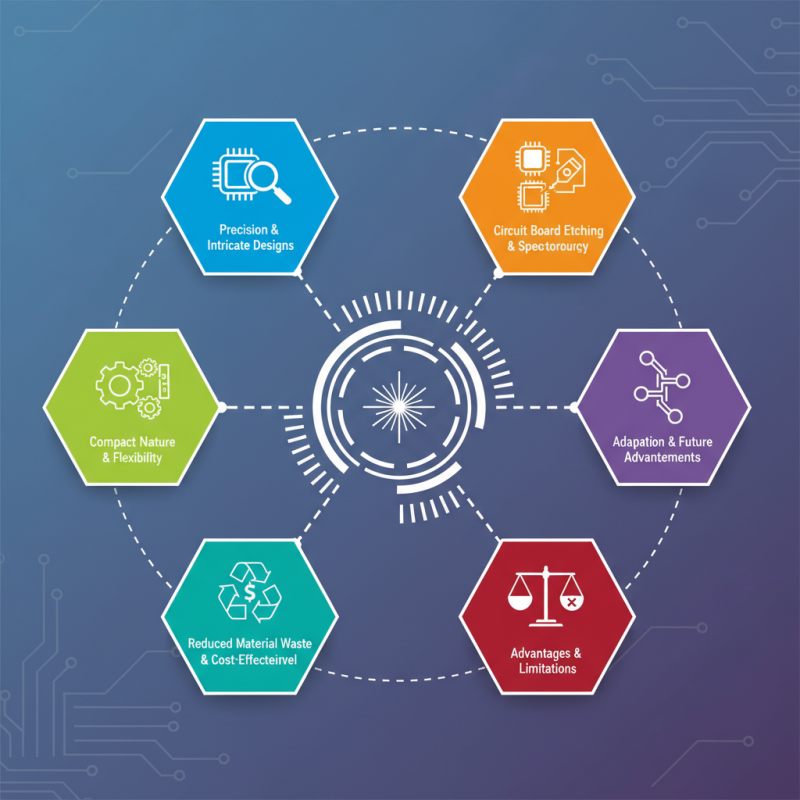
The applications of micro laser systems range from circuit board etching to laser-induced breakdown spectroscopy. Their compact nature allows for greater flexibility in design and manufacturing processes. The accuracy provided by these systems reduces material waste. This decisive factor contributes to cost-effectiveness in production.
However, potential challenges exist. Not all electronic components benefit equally from micro laser application. Some processes may still favor conventional methods due to cost or material compatibility. As the industry evolves, continual adaptation is key. Understanding where micro lasers excel remains critical for future advancements. The ongoing exploration of their advantages and limitations fuels innovation and enhances industry practices.
Micro laser systems are transforming electronics manufacturing by enhancing precision and efficiency. These systems enable manufacturers to create intricate designs with incredible accuracy. For instance, micro laser devices can cut complex circuit patterns on a substrate much smaller than traditional methods allow. This capability reduces material waste and improves overall product yield.
Moreover, the speed of micro laser systems can significantly shorten production cycles. Faster processing times mean that companies can respond more quickly to market demands. As the electronics sector becomes more competitive, this agility offers a distinct advantage. However, adapting to such advanced technologies can be challenging for some manufacturers. Training staff and integrating new systems into existing workflows requires careful planning.
Despite these challenges, the reliability of micro laser systems cannot be overstated. They operate continuously with minimal maintenance, resulting in less downtime. However, the high initial investment may deter small manufacturers from adopting this technology. Assessing long-term benefits versus upfront costs is crucial. As the industry evolves, those who embrace innovation may find themselves at the forefront of electronics manufacturing.
This chart illustrates the advantages of Micro Laser Systems in electronics manufacturing. The data reflects key benefits including precision, speed, cost-effectiveness, and versatility.
Micro laser systems are revolutionizing the production of circuit boards. These systems provide precision that traditional methods cannot match. Reports indicate that laser technology improves production accuracy by up to 30%. This precision is vital as electronic devices become more compact and complex.
In the circuit board industry, micro laser systems play a key role in processes like drilling and cutting. They allow for smaller vias and tighter tolerances. A study from a leading electronics research firm shows that using lasers can reduce material waste by as much as 25%. This efficiency is crucial for manufacturers facing rising material costs.
However, there are challenges. Not all micro laser systems are equally effective. Many facilities struggle with integration into existing workflows. Training staff on new technologies can be time-consuming. The investment costs for high-quality lasers can be a barrier for smaller companies. Balancing these challenges against the benefits requires careful consideration.
Micro laser systems have revolutionized the electronics industry with their precision and accuracy. These systems utilize advanced laser cutting techniques that can create intricate designs with minimal margins of error. The ability to cut materials at microscopic levels allows for the production of smaller, more efficient electronic components. This precision is crucial for the ever-evolving demands of technology.
Tips for working with micro laser systems: Always ensure the calibration is accurate. An improperly calibrated system can lead to misalignment and defective products. Experiment with different settings to discover the optimal power and speed for various materials. Precision matters, but so does experimentation.
Despite their advantages, micro laser cutting can face challenges. Material choice is crucial; not all materials respond well to laser cutting. Certain substrates may warp or burn, creating issues in production. It's essential to assess the material's properties and run tests before fully committing to a design. Continuous learning and adjustments are necessary to achieve perfection in this field.
| Reason | Description | Benefits |
|---|---|---|
| High Precision | Micro laser systems enable intricate cuts and engravings at a microscopic level. | Improved product quality and reduced material waste. |
| Reduced Heat Affected Zone | Laser cutting generates minimal heat, limiting the affected areas on sensitive components. | Preserves the integrity of electronic parts. |
| Versatility | Can cut a variety of materials including metals, plastics, and ceramics. | Flexibility to work with different types of electronic substrates. |
| Minimal Mechanical Stress | The non-contact nature of lasers eliminates mechanical stress during processing. | Prevents damage to delicate components and assemblies. |
| Automation Capabilities | Micro laser systems can be integrated into automated production lines. | Increases efficiency and reduces labor costs. |
| Cost-Effectiveness | Reduced waste and shortened cycle times lower overall production costs. | More economical for high volume production. |
Micro laser systems are increasingly favored in the electronics sector for their remarkable cost efficiency. According to a recent report by the International Society for Optics and Photonics (SPIE), micro laser systems reduce manufacturing costs by over 30% compared to traditional methods. This significant reduction stems from their ability to perform precise operations with minimal material waste. Lower operational costs are crucial, especially as electronic devices demand more intricate designs.
In addition to cost savings, micro laser systems enhance process efficiency. A study from the Laser Institute of America suggests that micro lasers can increase output by 25%. Their precision reduces rework rates, which can be up to 20% in traditional manufacturing setups. Consequently, firms adopting laser technology see not only direct savings but also improved productivity levels.
While micro laser systems provide many advantages, they are not without challenges. Initial investment costs can be high, making the technology inaccessible for some small-scale manufacturers. The required training for operators adds another layer of expense. Despite these hurdles, the long-term benefits of efficiency and cost savings often outweigh these initial challenges, encouraging broader industry adoption.
Micro laser technology is revolutionizing electronics. As devices shrink, precision becomes vital. Micro lasers offer unparalleled accuracy in cutting and engraving. This ensures that components fit perfectly into compact designs. Such precision helps improve the overall performance of electronic devices. Manufacturers are excited about the potential surface finishes that micro lasers can achieve. Smooth, clean edges enhance connectivity and functionality.
The trend towards smaller devices is not going away. As consumer demand increases, companies must adapt. Micro laser systems are becoming essential tools in production lines. They can be easily integrated into existing processes. However, there remain challenges in scalability and cost. Smaller companies may struggle to adopt this technology fully. This raises questions about accessibility in the market. Will smaller players be left behind as the industry shifts?
Furthermore, advancements in laser sources are on the rise. Ultrafast lasers are gaining traction for their ability to process materials without heat damaging the product. This innovation requires a skilled workforce to operate and maintain. Training becomes a critical element for success. Businesses must invest in capabilities to stay competitive. While the future looks bright, it’s essential to navigate potential obstacles. Companies should remain vigilant in understanding both the opportunities and the challenges ahead.
: They are used in the electronics industry for precise cutting and engraving of components.
Accurate calibration is crucial; misaligned systems can result in defective products and wasted materials.
Not all materials are suitable for laser cutting. Some may warp or burn, complicating production processes.
They can lower costs by over 30% compared to traditional manufacturing methods due to reduced material waste.
They can increase output by 25%, reducing rework rates and improving overall productivity.
Initial investment costs and required training can make it hard for small-scale manufacturers to adopt this technology.
There will be a continued demand for smaller devices, pushing companies to adopt micro laser systems more widely.
Ultrafast lasers are becoming popular for their ability to cut materials without heat damage, but they require skilled operators.
A skilled workforce is essential for operating and maintaining the technology to remain competitive in the market.
They may struggle to adopt advanced technology, raising concerns about market accessibility and potential inequality.
Micro laser systems have become increasingly integral in electronics manufacturing due to their numerous advantages. Firstly, the precision and accuracy of micro laser cutting techniques enable manufacturers to produce intricate circuit board designs with unmatched detail, reducing waste and ensuring quality. Additionally, micro laser systems demonstrate significant cost efficiency when compared to traditional manufacturing methods, allowing for streamlined production processes and lower operational costs.
Future trends indicate a continuous evolution of micro laser technology, leading to enhanced capabilities and broader applications in electronic devices. Thus, answering the question of why are micro laser systems used in electronics: their benefits in precision, efficiency, and adaptability make them a preferred choice for modern manufacturing needs.

Stylo Laser