The ceramic cutting industry faces significant challenges. What causes defects in ceramic cutting processes? Understanding these causes can greatly enhance overall efficiency. According to a recent report by the International Ceramic Federation, defects can range from micro-cracks to surface imperfections, impacting quality and yields. Up to 30% of products may fail quality inspections due to these issues.
Common defects often originate from improper tool selection, inadequate cooling, or flawed operating conditions. The choice of cutting parameters is crucial. A study published in the Journal of Materials Science noted that slightly adjusting cutting speeds and depths could reduce defect rates by 15%. Rarely, however, do practices adapt quickly enough to evolving trends and technologies, leading to wasted resources.
Moreover, organizations sometimes overlook employee training. Lack of awareness regarding best practices can contribute to recurring defects. Emphasizing continuous education, along with rigorous quality controls, is essential for improvement. Reflecting on these aspects can guide professionals in the industry towards better practices and outcomes.
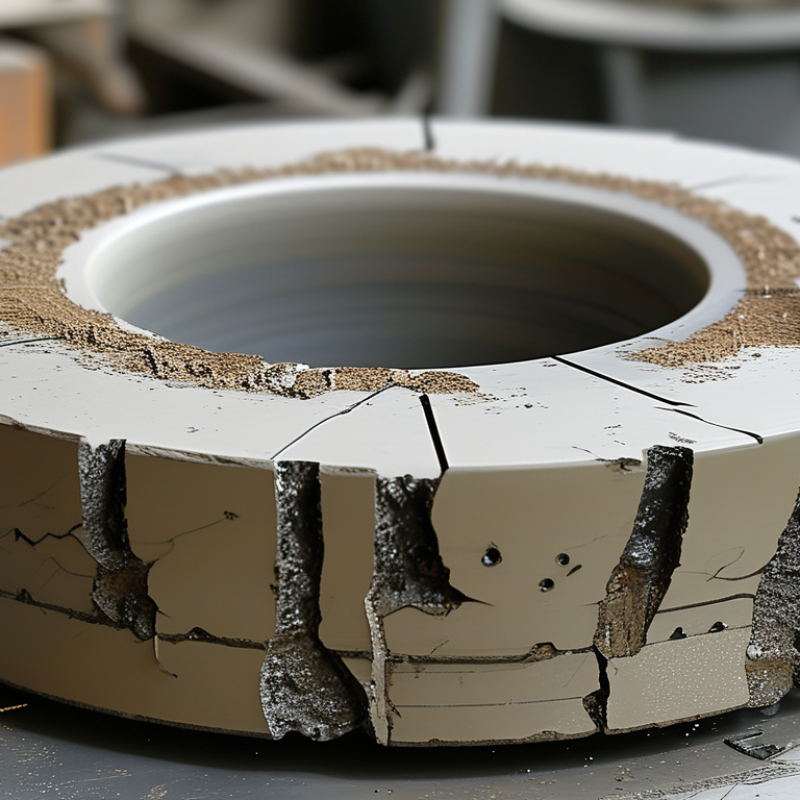
Selecting quality raw materials is crucial in ceramic cutting processes. The characteristics of raw materials significantly affect the final product. According to industry reports, around 70% of defects in ceramic products stem from poor material selection. Specifically, impurities in clay can lead to cracks during firing. Choosing high-purity kaolin can minimize these issues.
Analyses show that the moisture level in raw materials also plays a key role. Excess moisture can cause warping and unstable cutting. Reliable sources recommend controlling moisture levels to below 2% for optimal performance. Additionally, testing for particle size distribution is essential. Uneven particle sizes contribute to inconsistent cutting.
Vendors often overlook the importance of sourcing. Establishing relationships with reputable suppliers ensures a constant quality of materials. However, not all suppliers maintain the same standards. Regular audits can expose inconsistencies, preventing defects down the line. Failure to address these factors can lead to increased production costs and customer dissatisfaction. Engaging with the right suppliers and rigorously testing raw materials can profoundly impact overall product quality in ceramic cutting.
| Dimension | Tip | Expected Outcome |
|---|---|---|
| Raw Material Selection | Choose high-purity raw materials to minimize inclusions. | Reduced defects due to material impurities. |
| Quality Control | Implement regular checks for raw materials before production. | Early detection of defective materials. |
| Temperature Regulation | Maintain consistent kiln temperatures during firing. | Decreased thermal shock and cracking. |
| Machining Techniques | Use advanced cutting tools with appropriate settings. | Improved cutting precision and reduced chipping. |
| Employee Training | Conduct regular training sessions on best practices. | Enhanced skill levels resulting in fewer operational errors. |
| Feedback Loop | Establish continuous feedback on production quality. | Timely adjustments to processes based on performance data. |
: Choosing the right technique minimizes defects and ensures precision. This reduces issues during production.
Inconsistent pressure can lead to chipping and uneven cuts. A steady hand is vital to achieve clean edges.
Water cooling reduces the risk of thermal shock and prolongs tool life. However, it can complicate debris management.
Each ceramic type responds differently. Imperfections may occur despite careful measures, so adaptability is key.
Proper maintenance improves production quality and reduces defects. A clean machine leads to more precise cuts.
Calibration should occur every six months to maintain accuracy. This prevents dimensional inaccuracies in production.
Miscalibration can lead to significant quality issues and inconsistencies. Even minor deviations have major impacts.
Acknowledging ineffective processes can reveal hidden inefficiencies. Reflecting on practices can lead to better outcomes.
Companies often rush maintenance for immediate output. This approach can compromise long-term quality and performance.
Some focus on speed over quality in maintenance. This can lead to unexpected failures and production issues.
This article explores effective strategies to address the question of "what causes defects in ceramic cutting processes." It begins by emphasizing the importance of selecting quality raw materials, as inferior materials can introduce flaws that compromise the cutting outcome. Following this, the article outlines best practices for machine setup, which are critical in reducing variables that could lead to defects during production.
Additionally, the article discusses effective cutting strategies tailored for various ceramic materials and underscores the significance of regular maintenance and calibration of cutting equipment. This ensures that machines operate optimally and minimizes wear that can contribute to defects. Finally, the article highlights the need for continuous training and skill development for operators, equipping them with the knowledge and techniques necessary to navigate challenges in ceramic cutting processes effectively.

 Stylo Laser