A durable laser-cut product begins with more than a clean edge. Material choice, sheet thickness, machine condition, cutting speed, and finishing all influence how a part performs after repeated use. A bracket that looks precise on a workbench may still warp under load if its design or processing is poorly matched to the application. Small details matter. Burrs, heat tint, and uneven dimensions can affect assembly, wear, and corrosion resistance.
This guide to China’s top 10 laser cutting suppliers for durable products offers a practical starting point for comparing manufacturers. It considers capabilities such as fiber-laser equipment, material range, tolerance control, prototyping, inspection practices, and finishing support. Supplier rankings can change, and advertised specifications do not prove consistent production quality. Ask for sample parts, measurement records, material certificates where relevant, and clear answers about quality checks. Verify the details yourself.
A useful question is, “how does laser cutting affect product durability?” The answer depends on the complete process, not just the laser’s power. Proper settings can create accurate parts with limited distortion, while unsuitable parameters may leave rough edges or localized heat effects. Design also counts. A sharp internal corner or an undersized feature can become a stress point, even when cutting is precise. No supplier can remove every design weakness. The best partner will explain trade-offs, flag uncertain requirements, and help test a part before full production. That conversation is worth having.
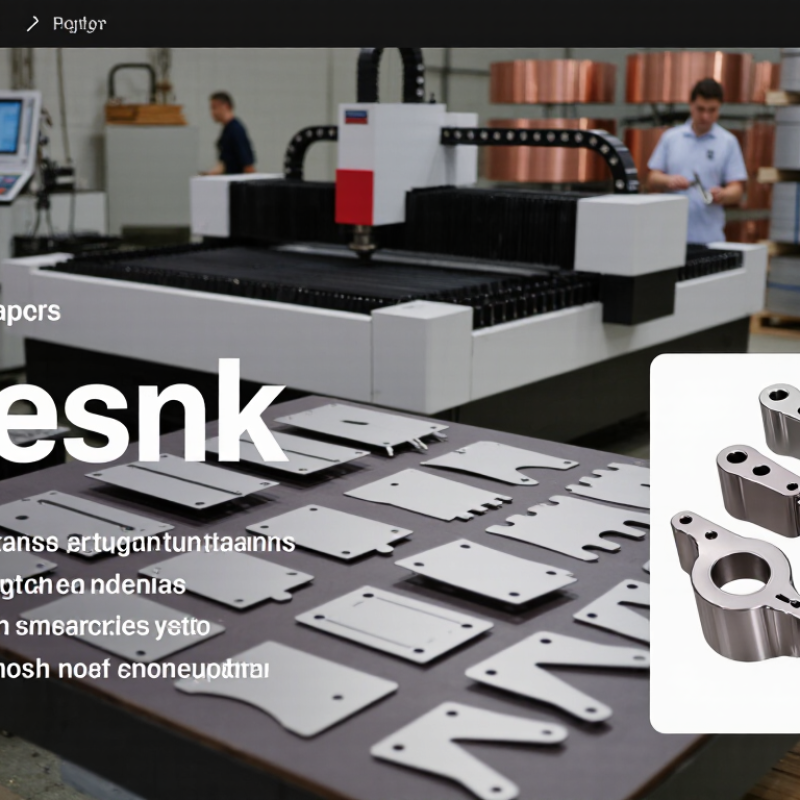
Durable products depend on more than thick materials. Their parts must fit accurately, resist wear, and remain stable during repeated use. Laser cutting helps by producing consistent shapes with narrow kerfs and precise openings. That accuracy can reduce gaps around joints and limit stress caused by forced assembly. Small details matter. A clean slot or mounting hole may prevent movement after months of vibration.
For stainless steel panels, smooth cut edges can reduce snagging and make finishing easier. On aluminum brackets, controlled cutting helps keep parts light while preserving their designed geometry. Yet laser cutting does not guarantee durability. Heat can affect the edge, and poor settings may leave burrs or discoloration. Not automatically. Material thickness, alloy, focus, and cutting speed all influence the result. Experienced teams inspect sample parts, check dimensions, and test joints before production. They may also deburr edges or apply protective coatings. One useful reminder: a part that looks precise on a bench can still fail under real loads, so testing should reflect how the product will actually be handled.
Choosing a Chinese laser cutting supplier starts with matching its equipment to your actual materials and part dimensions. Ask which sheet thicknesses, metals, and cutting methods it handles regularly. Request sample parts made from the same grade and thickness as your production material. Inspect the cut edge for burrs, heat discoloration, and taper. A 3 mm stainless-steel panel, for example, should fit its mating slots without force. Check stated tolerances against a drawing, not a sales promise. Repeatability matters.
Ask how the supplier controls quality between batches. Useful evidence includes inspection records, measuring equipment calibration logs, and clear procedures for handling defective parts. Request a production sample and compare several pieces, rather than judging one. Still, a polished sample can mislead. Confirm capacity, realistic lead times, packaging methods, and how design changes are documented. Communication is part of the process: technical questions should receive specific answers, with marked-up drawings when needed. Review a detailed quotation for material grade, finishing, inspection scope, and shipping terms. A low price can hide missing steps. Verify the details before placing a large order.
Suggested evaluation framework, not measured supplier data. Give the most weight to cut quality, machine capability, and durability testing; verify each supplier’s performance with samples, documented specifications, and inspection records.
China’s laser-cutting suppliers serve durable-product markets in different ways. These ten capability-based profiles help buyers compare production fit; they are not named-company endorsements.
Profile 1 focuses on heavy plate for machine frames, where edge quality and repeatable dimensions matter. Profile 2 specializes in tube cutting for equipment rails and furniture structures. Profile 3 combines cutting with bending and welding for custom assemblies. Profile 4 handles stainless-steel enclosures, where clean edges reduce finishing work. Profile 5 serves construction equipment makers with large, rugged components. Fit matters.
Profile 6 supports agricultural machinery production, often with varied part sizes. Profile 7 makes electrical cabinets and needs consistent openings for panels and cable access. Profile 8 cuts stainless parts for commercial kitchens, where visible surfaces reveal poor finishing quickly. Profile 9 suits prototypes and smaller batches, though delivery times may vary. Profile 10 offers contract production with inspection records and export packaging.
Ask for sample parts, material specifications, and tolerance data before committing. A polished brochure is not proof; one overlooked detail can still cause rework.
China Top 10 Laser Cutting Suppliers for Durable Products?
Comparing suppliers takes more than checking machine power. Ask about laser source type, bed stability, cutting speed, and available service support. A thick steel plate may need different settings from a thin aluminum panel. Request a sample cut using your actual material and thickness. Inspect the edge for burrs, heat discoloration, and dimensional variation. Small details matter.
Tips: Ask for a written material list, inspection records, and a sample report. Clarify spare-part availability and typical response times before placing an order.
For durable products, compare how each supplier verifies incoming sheets and finished parts. Useful controls include thickness checks, calibrated measuring tools, and documented inspection steps. Ask how operators handle nozzle wear and lens cleaning; these can affect cut quality. Also check whether the supplier can share maintenance logs and packaging details. A clean cut is not the whole story. Shipping damage or inconsistent batches can still create problems. Be cautious with claims based only on machine specifications. A polished comparison sheet may hide gaps in after-sales support, and even a good supplier can have occasional process variation. Request clear tolerances and agree on how defects will be handled.
| Profile | Equipment Focus | Common Material Scope | Indicative Cutting Range | Quality Controls to Request | Durability-Relevant Services | Best Fit | Verification Before Ordering |
|---|---|---|---|---|---|---|---|
| Supplier Profile 01 Sheet metal |
Flat-sheet fiber laser cutting; automatic nesting may be available. | Carbon steel, stainless steel, aluminum; confirm grades and thicknesses. | Thin sheet to heavy plate; practical limits depend on laser power, material grade, and required edge quality. | Material traceability, first-article inspection, dimensional checks, and documented revision control. | Deburring, edge conditioning, forming coordination, and protective packaging. | Enclosures, frames, brackets, and general industrial parts. | Request a sample cut, machine-capacity list, material certificates, and tolerances for the actual drawing. |
| Supplier Profile 02 Thick plate |
High-power fiber laser systems configured for plate work. | Carbon steel and stainless steel; other alloys require process confirmation. | Medium to thick plate; maximum thickness is machine- and quality-dependent. | Cut-edge inspection, flatness checks, dimensional reports, and heat-affected-edge review where specified. | Plate sourcing, bevel preparation, machining, and weld-ready edge finishing. | Structural bases, heavy brackets, and load-bearing assemblies. | Confirm achievable tolerance and edge condition at the specified thickness, not just maximum cut capacity. |
| Supplier Profile 03 Precision sheet |
Fiber laser cutting with precision fixturing and controlled process setup. | Stainless steel, mild steel, and aluminum sheet. | Thin to medium sheet, with capability varying by feature size and material. | First-article approval, calibrated measuring equipment, in-process checks, and inspection records. | Fine-feature cutting, tapping coordination, small-batch production, and controlled packing. | Small components, instrument panels, and repeat-order parts. | Check minimum feature size, hole-to-thickness rules, burr limits, and inspection method. |
| Supplier Profile 04 Tube and profile |
Tube laser cutting with rotary chuck or equivalent workholding. | Round, square, and rectangular steel or aluminum tubing, subject to machine limits. | Tube diameter, profile size, wall thickness, and cut length are machine-specific. | Profile and length checks, end-condition inspection, and verification of hole and slot locations. | Tube sourcing, notching, drilling, deburring, and welded-assembly support. | Frames, racks, guards, and tubular product structures. | Provide the exact section profile, wall thickness, cut length, and required angular features for a capacity check. |
| Supplier Profile 05 Stainless applications |
Fiber laser cutting with stainless-focused process controls. | Common stainless grades; confirm grade, finish, and surface-protection requirements. | Thin to medium sheet is common; thicker sections depend on equipment and finish requirements. | Grade verification, surface-protection checks, edge inspection, and prevention of cross-contamination where required. | Protective-film handling, passivation coordination, and finish-sensitive packaging. | Food-service equipment, architectural parts, and corrosion-resistant components. | Confirm material grade, surface finish, film policy, and any post-cut cleaning or passivation requirements. |
| Supplier Profile 06 Aluminum capability |
Fiber laser cutting with suitable assist-gas and material-handling setup. | Commercial aluminum sheet and plate; alloy and temper should be specified. | Thin to medium sections are common; maximum thickness and edge quality vary by alloy and machine. | Alloy/temper traceability, flatness checks, dimensional inspection, and surface-condition review. | Protective separators, careful handling, machining coordination, and corrosion-conscious packing. | Lightweight housings, panels, and transport or equipment components. | Ask for a trial part using the specified alloy and thickness; inspect dross, distortion, and surface marks. |
| Supplier Profile 07 Multi-process fabrication |
Laser cutting combined with press-brake forming and secondary operations. | Carbon steel, stainless steel, and aluminum, subject to the shop’s qualified processes. | Cutting range depends on the material and the capacity of each linked process. | Drawing review, first-article inspection, bend-angle checks, and final assembly inspection. | Forming, welding, hardware insertion, coating coordination, and assembly. | Finished durable products requiring several fabrication steps. | Confirm process ownership, subcontracted steps, change control, and final inspection responsibility. |
| Supplier Profile 08 Prototype and short run |
Flexible fiber laser production with quick programming and setup. | Common sheet metals, with availability depending on stock and order quantity. | Typically optimized for sheet and plate jobs within the supplier’s machine envelope. | Drawing-version confirmation, sample approval, and inspection against agreed critical dimensions. | Design-for-manufacture feedback, rapid quoting, prototype revisions, and low-volume batching. | Product development, pilot builds, and engineering changes. | Agree on revision identifiers, sample sign-off, material substitutions, and repeat-order consistency. |
| Supplier Profile 09 Production volume |
Automated fiber laser cutting with sheet loading, unloading, or sorting options. | High-repeat carbon steel, stainless steel, and aluminum parts, subject to approved specifications. | Set by the production machine envelope and the validated process for each part. | Control plans, lot traceability, sampling plans, nonconformance records, and equipment calibration. | Production scheduling, safety stock options, standardized packaging, and delivery planning. | Recurring orders with stable drawings and predictable demand. | Review capacity evidence, quality-system scope, on-time delivery history, and lot-level records. |
| Supplier Profile 10 Export-oriented service |
Laser cutting supported by export packing and shipment coordination. | Specified sheet and plate materials with documented grade and finish requirements. | Depends on the equipment and approved part process; obtain a written capacity confirmation. | Inspection reports, packing checks, traceability documents, and agreed acceptance criteria. | Export packaging, shipping documentation, consolidation, and communication across time zones. | Overseas buyers seeking fabricated parts delivered to an agreed specification. | Clarify Incoterms, packaging standard, inspection acceptance, lead time, and responsibility for freight damage. |
Choosing a laser-cutting supplier for durable products means looking beyond a low quotation. A clean sample is not enough. Ask for documented tolerances, material traceability, and repeatability data from production batches. The World Steel Association reported 1.89 billion tonnes of crude steel output in 2023. That scale means buyers may encounter substantial variation in material sources and batches. Request the exact grade, thickness range, and lot records used for your parts. For a bracket, inspect burrs, hole positions, and edges—not only the smooth outer contour.
Check machine maintenance logs, calibration records, and the first-article inspection plan. ISO’s 2023 Survey recorded more than one million ISO 9001 certificates worldwide. Certification can support process discipline, but it cannot guarantee your part’s fit or service life. Ask for inspection reports linked to the drawing revision and a clear process for handling deviations. Request repeat samples after a material-lot change. It costs time. It may prevent failures. I would also compare parts after coating or welding, since inspection may stop at the cutting machine. This detail is easy to miss. Record agreed limits on the purchase specification, not only in email.
Ask about its cutting methods, bed stability, and supported material thicknesses. Request a sample using your actual metal and dimensions. Small details matter.
Check burrs, heat discoloration, edge taper, and hole positions. Test whether a 3 mm stainless-steel panel fits its matching slots without force. One sample is not enough.
Compare the tolerances with your drawing and ask for measured inspection results. Confirm that reports identify the drawing revision. A sales promise alone is weak evidence.
Ask for inspection records, calibration logs, maintenance details, and procedures for defective parts. These records help explain how quality is controlled between batches.
Compare several parts from a production run, not just a polished sample. Request repeat samples after a material-lot change. It takes time, but variation can be easy to miss.
Confirm material grade, thickness, finishing, inspection scope, packaging, lead time, and shipping terms. A low price may leave out important steps.
Ask for the exact material grade, thickness range, and lot records used for your parts. Check incoming sheets and finished parts. Records should match your order.
No. Certification can support process discipline, but it cannot guarantee fit or service life. I might still overlook a detail, so check parts after coating or welding too.
This article explores how laser cutting supports durable product manufacturing by producing precise, consistent components with clean edges and carefully controlled dimensions. It explains how does laser cutting affect product durability, considering factors such as heat input, material selection, edge quality, and the accuracy of the finished part. It also outlines practical criteria for evaluating Chinese suppliers, including equipment capability, experience with relevant materials, quality-control procedures, production capacity, and technical support.
The article profiles ten suppliers serving markets where long-lasting products matter, comparing their general capabilities in machinery, material processing, inspection, and customer service without relying on brand names. It concludes with guidance for choosing a supplier for long-term product performance: define the product’s requirements, review samples and quality processes, confirm communication and delivery expectations, and assess whether the supplier can maintain consistent results as production needs evolve.

Stylo Laser