How to Choose the Best Industrial Laser Cutting Machine?

Time:2026-05-11 Author:Aria
0%

Choosing the right industrial laser cutting machine can significantly impact your production process. According to John Smith, a leading expert in laser technology, "Selecting the correct machine ensures optimal efficiency and quality." His insight emphasizes the importance of understanding specific needs before making a choice.

When considering how to choose the right industrial laser cutting machine, factors such as material types and thickness must be evaluated. Each laser type has its strengths and weaknesses. For instance, CO2 lasers excel at cutting non-metal materials, while fiber lasers are preferred for metals. Understanding these nuances can lead to better decision-making.

Moreover, reflecting on the scalability of your operation is crucial. If future expansion is on the horizon, opting for a machine that accommodates growth could save time and resources down the line. Take the time to test different machines and assess their performance before purchasing. This practical approach can reveal unexpected challenges, ultimately leading to a more informed decision.
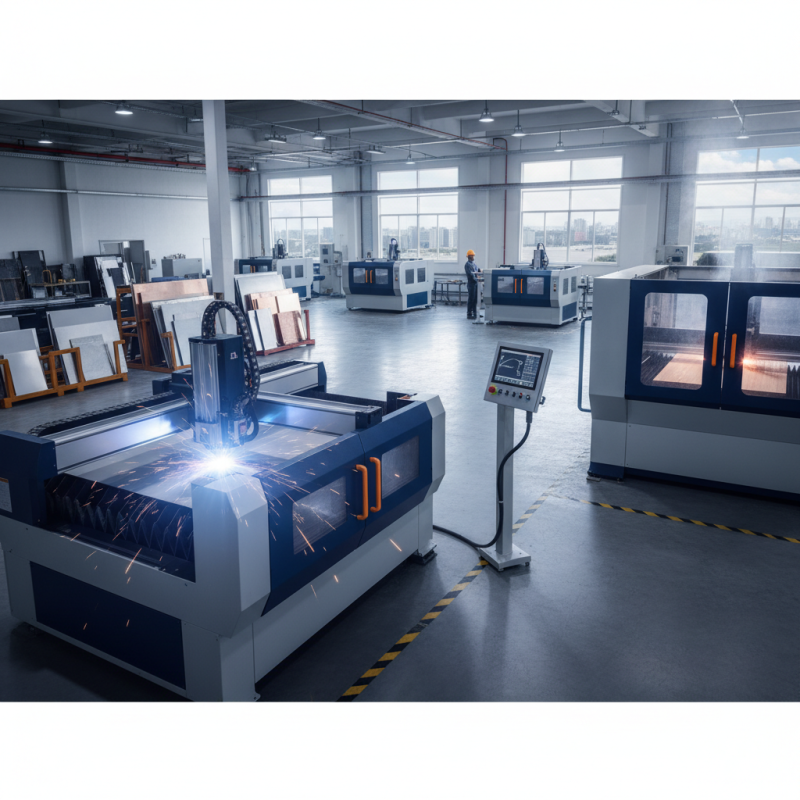
How to Choose the Best Industrial Laser Cutting Machine?

Factors to Consider When Selecting an Industrial Laser Cutting Machine

Choosing the right industrial laser cutting machine can significantly impact production efficiency. Several factors contribute to this decision. Key considerations include power, cutting speed, and material compatibility. A 2022 report by MarketsandMarkets highlighted that laser cutting technology is expected to reach a market size of $5 billion by 2026, reflecting its growing importance in various industries.

Power plays a critical role. Higher wattage allows for faster cutting and thicker materials. However, more power may also mean higher operational costs. When selecting a machine, assess your typical material types and thicknesses. The ability to cut metals, plastics, and wood widely varies across machines.

Tip: Always verify the machine’s specifications against your production needs. Moreover, the cutting speed can affect the final product quality. Faster speeds might reduce precision. It’s essential to balance speed and accuracy based on your specific requirements.

Consider your workspace and ease of use as well. Some machines require more training and maintenance than others. Moreover, look at the availability of parts and service. A reliable support system ensures minimal downtime. Ensure you have the right infrastructure to accommodate the machine's requirements. This careful assessment will guide you to make the best choice for your operation.

Types of Laser Cutting Technologies and Their Applications

When selecting an industrial laser cutting machine, understanding the types of laser technologies is crucial. There are primarily three technologies: CO2 lasers, fiber lasers, and solid-state lasers. Each type offers unique advantages tailored to different materials and applications. CO2 lasers excel at cutting non-metal materials like wood and acrylic. Fiber lasers are powerful for metals. Solid-state lasers are versatile, often used in both industrial and commercial settings.

Tips: For optimal results, assess the primary materials you'll be cutting. Choose a laser type that aligns with your material needs. Consider the machine's wattage, as higher wattage can mean faster cutting speeds and inferior edge quality.

Transitioning technologies can lead to refinements. While fiber lasers offer speed, they may cause burn marks on certain metals. CO2 lasers, while effective, can struggle with thicker materials. Ensure you evaluate the drawbacks of each technology against your requirements. This reflection will enhance your decision-making process when investing in a laser cutting machine. Select wisely to match your operational goals.

Evaluating the Material Compatibility of Laser Cutting Machines

When selecting an industrial laser cutting machine, material compatibility stands at the forefront. The ability to cut various materials effectively varies significantly between machines. A recent industry report notes that over 40% of businesses face issues due to improper material matching. Understanding the specific types of materials you intend to cut is essential.

Different lasers work best with distinct materials. For instance, fiber lasers excel with metals, while CO2 lasers handle plastics, wood, and textiles efficiently. Steel and aluminum require high power levels for precision cuts. Meanwhile, softer materials can be cut at lower power, reducing operational costs. Knowledge of these nuances can save time and resources.

Tip: Always test cut on scrap material first. This allows you to determine if your chosen machine meets your expectations. Remember, fine-tuning your settings for various materials might require a bit of trial and error. Reflect on the compatibility of your existing tools with new materials. Frequent re-evaluations can enhance efficiency and output quality.

Assessing the Machine's Speed and Operational Efficiency

When assessing the speed and operational efficiency of industrial laser cutting machines, consider several critical factors. The cutting speed defines how quickly the machine can perform tasks. A higher speed often means increased productivity. However, excessive speed might compromise cut quality. Finding the right balance is crucial.

Operational efficiency goes beyond just speed; it involves examining how well a machine utilizes its resources. Pay attention to the energy consumption and maintenance needs. Machines that require frequent downtime for repairs can significantly reduce overall efficiency. An understanding of production demand and the machine's capabilities is necessary to gauge effectiveness.

Also, reflect on your specific production needs. A machine might excel in speed but fail in precision for certain materials. This mismatch can lead to waste and increased costs. Analyze your applications carefully. Sometimes, a slightly slower machine may produce better quality cuts and lower operational costs in the long run.

Budget Considerations and Total Cost of Ownership

When selecting an industrial laser cutting machine, budget considerations are crucial. Many companies overlook the total cost of ownership (TCO) while focusing solely on the initial purchase price. TCO encompasses not just the upfront cost but also operating expenses. According to a 2023 industry report, maintenance and energy consumption can account for up to 30% of total costs over a machine's lifespan.

For instance, a machine that seems affordable may require expensive consumables or higher energy usage. These hidden costs can diminish the initial savings. On average, companies report spending 20% more on maintenance for lower-end laser cutters. Therefore, investing in a higher-quality machine could lead to lower TCO over time.

Another factor to reflect on is the impact of productivity. A machine with a lower upfront cost might slow down production. This may lead to lost revenue opportunities. In fact, research indicates that a faster machine can boost profits by up to 15%. Choosing wisely can substantially affect not just the budget but the overall growth of the company. Knowledge of TCO and machine performance is essential for long-term success.

Cost Analysis of Industrial Laser Cutting Machines

FAQS

: What factors should I consider when choosing an industrial laser cutting machine?

: Key factors include power, cutting speed, and material compatibility. These can impact production efficiency greatly.

How does power influence the machine's performance?

Higher wattage allows for faster cutting and handling thicker materials. But, it can raise operational costs.

Why is cutting speed important?

Cutting speed affects productivity and precision. Faster speeds may lead to lower quality cuts if not balanced well.

What should I reflect on regarding operational efficiency?

Look at energy consumption, maintenance needs, and downtime. Frequent repairs can drastically reduce efficiency.

How should budget considerations factor into my decision?

Total cost of ownership includes upfront costs and ongoing operating expenses like maintenance and energy.

What are the hidden costs associated with cheaper machines?

Inexpensive machines might require costly consumables and higher energy use, affecting overall savings negatively.

Can machine speed affect overall productivity?

Yes, a faster machine can improve profits. However, if speed comes at the expense of accuracy, it may waste resources.

How important is the support system for maintenance?

A reliable support system minimizes downtime. Assess the availability of parts and service when selecting a machine.

Should I consider my workspace when choosing a machine?

Yes, ensure that you have the right infrastructure and training to handle the machine effectively and safely.

Conclusion

When considering how to choose the right industrial laser cutting machine, several important factors must be assessed. Key among these are the specific applications and types of laser cutting technologies available, as they significantly influence the machine’s performance. Understanding the compatibility of the materials being cut is essential, as different technologies cater to various materials with varying thicknesses and properties.

Additionally, evaluating the machine's speed and operational efficiency will impact production time and overall productivity. Budget considerations should also play a crucial role, taking into account the total cost of ownership, which includes maintenance and operational expenses over time. By carefully analyzing these aspects, buyers can make informed decisions that align with their operational needs and budget constraints.

Aria

Aria

Aria is a dedicated marketing professional with a deep passion for innovative strategies and a keen understanding of our company's product offerings. With a wealth of experience in the industry, Aria excels at crafting engaging content that highlights the unique features and benefits of our......