What Affects the Quality of Ceramic Laser Cutting Best Practices?

Time:2026-05-09 Author:Isabella
0%

Ceramic laser cutting is a crucial technology in various industries. Understanding what affects the quality of ceramic laser cutting can significantly enhance precision and efficiency. According to Dr. Lisa Tran, a leading expert in laser manufacturing, "The interplay of laser parameters and material properties fundamentally dictates cutting quality." This insight emphasizes the need for a nuanced approach to optimize the cutting process.

Several factors influence the final outcome of ceramic laser cutting. The laser’s wavelength, power settings, and focus all play vital roles. Additionally, the type of ceramic material can drastically alter how effectively a laser can cut through it. For example, some ceramics may reflect laser beams, hindering the cutting efficiency. These intricacies demonstrate the challenges faced in achieving the desired quality in cuts.

Many practitioners in the field acknowledge the necessity for ongoing evaluation. It’s not just about following a set protocol. Each cutting scenario can present different challenges that require adjustment and reflection. The pursuit of optimal quality in ceramic laser cutting is an evolving conversation, where understanding the variables is just as critical as mastering the technology itself.
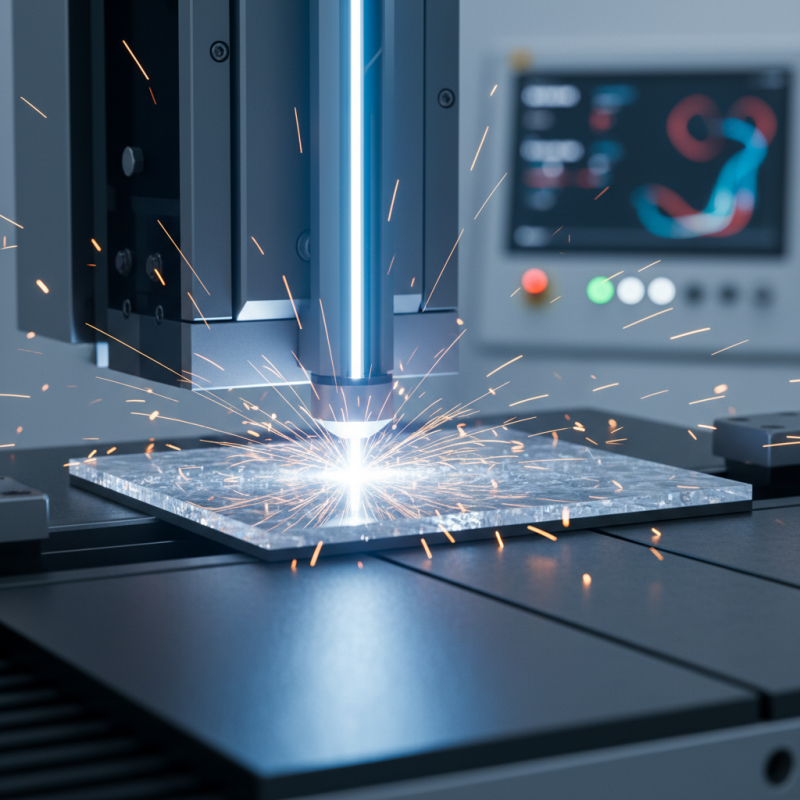
What Affects the Quality of Ceramic Laser Cutting Best Practices?

Factors Influencing Ceramic Laser Cutting Quality in Industrial Settings

Ceramic laser cutting is a precise process influenced by several key factors. The type of laser used plays a crucial role. CO2 lasers are common, but their effectiveness can vary based on the ceramic material. Some ceramics may absorb laser energy poorly, leading to inefficient cutting and potential material damage. Operators need to understand these differences for successful outcomes.

Another important aspect is the cutting speed. Too fast can cause poor edge quality, while too slow may overheat the material. Finding the right balance requires experience and experimentation. The thickness of the ceramic can also affect the cutting quality. Thicker materials demand more power and careful adjustments. Ignoring these details can result in subpar cuts.

The quality of the laser beam itself can also impact results. Factors such as focus and beam profile should not be overlooked. An improperly focused laser can lead to uneven cuts or excessive chipping. Regular maintenance and calibration of the equipment are vital but often neglected. Operators must be vigilant and continuously refine their techniques to enhance cutting quality.

Factors Influencing Ceramic Laser Cutting Quality

Key Laser Parameters Affecting Cutting Efficiency and Material Integrity

Ceramic laser cutting is a precision process influenced by several key laser parameters. Understanding these is critical for achieving optimal cutting efficiency and maintaining material integrity. Power settings play a vital role; too high can cause excessive heat, leading to cracks. Conversely, too low power might result in incomplete cuts.

Another important factor is the cutting speed. If the speed is too fast, the laser may not penetrate fully, resulting in uneven edges. Slower speeds yield cleaner cuts but can increase the risk of thermal damage. Focus and pulse duration are equally significant; improper focus can lead to poor quality cuts, while pulse duration impacts the energy distribution during the process.

Tips: Adjust power settings based on the specific type of ceramic. Conduct tests on scrap material to identify optimal speeds. Regular maintenance of the laser apparatus also helps in sustaining performance and reliability. Keep an eye on material thickness when setting parameters to avoid unexpected outcomes.

Impact of Material Composition on the Results of Laser Cutting Processes

The quality of ceramic laser cutting is significantly influenced by material composition. Various ceramic materials react differently to laser energy. For instance, high alumina ceramics exhibit a lower absorption rate, leading to less efficient cutting compared to those with higher silica content. A study by the Laser Institute of America indicates that optimizing the chemical makeup can improve cutting clarity and edge smoothness.


Tips: Selecting the right ceramic material is crucial. For intricate designs, consider using ceramics with a balanced composition. This can enhance the performance during laser cutting.


The thickness of the ceramic also plays a pivotal role. Thicker materials may require more powerful lasers. Reports suggest that using a 2000 W laser achieves cleaner cuts on 10 mm thick porcelain, compared to lower wattages. However, manufacturers should also evaluate heat-affected zones, as they can lead to stress and potential cracking.


Tips: Regularly test your settings on different ceramic types. This can help identify optimal laser parameters for your specific applications. Even minor adjustments can yield better results.

Role of Cooling and Assist Gases in Enhancing Laser Cutting Quality

The quality of ceramic laser cutting significantly depends on cooling and assist gases. Effective cooling during the cutting process is essential. It helps dissipate heat and reduces thermal distortion. Improper cooling can lead to cracks and a poor finish.

Using assist gases can greatly enhance the cutting quality. For example, oxygen is ideal for cutting through certain ceramics as it produces a clean edge. Nitrogen, on the other hand, minimizes oxidation and is suitable for more delicate materials. Choosing the right assist gas based on the ceramic type is crucial.

Tips: Monitor the gas flow rates closely. Too much or too little can affect the cut. Experiment with different gas mixtures to find the best results for your specific application. Regularly inspect your cooling system to ensure it functions optimally. Adjust pressure levels based on the cutting speed and ceramic type to minimize imperfections. This will ultimately lead to enhanced efficiency and better end products.

Best Practices for Maintenance and Calibration of Laser Cutting Equipment

Maintaining and calibrating laser cutting equipment is essential for achieving optimal results. Regular maintenance routines prevent wear and tear. Equipment should be cleaned regularly to avoid dust accumulation. This can impact the laser’s performance. Frequent checks on focusing lenses and mirrors ensure precision cuts. Misalignment can lead to poor quality and wasted materials.

Calibration is another vital aspect. Regularly verify the settings and parameters of the machine. Even minor deviations can affect cut quality. Utilize precise measurements when testing different materials. Remember to adjust settings for each new project. Different ceramics may require different power levels. This can be a time-consuming process, but it pays off in accuracy.

However, many operators overlook these practices. They might rush through maintenance or assume everything is fine. This can lead to unexpected issues during production. Realizing that every piece of equipment has a limit is crucial. Understanding the machine's quirks can save time. Proper training on maintenance practices is often undervalued. A knowledgeable operator can make a significant difference in outcomes. Continuous learning should be a priority.

FAQS

: How does material composition affect laser cutting in ceramics?

: Different ceramic compositions react uniquely to laser energy. High alumina ceramics may cut less efficiently than silica-rich ceramics.

What is crucial when selecting ceramic materials for laser cutting?

Choose materials with balanced compositions for intricate designs. This can significantly enhance cutting performance and quality.

How does the thickness of ceramic material influence laser cutting?

Thicker ceramics require more powerful lasers. A 2000 W laser can achieve cleaner cuts on 10 mm thick porcelain.

What should be considered regarding heat-affected zones during cutting?

Heat-affected zones can cause stress and cracks. Evaluating this is important when selecting laser power and cutting settings.

Why are cooling and assist gases important in laser cutting?

They help manage heat and improve cut quality. Proper cooling reduces distortion, while assist gases enhance edge clarity.

How does oxygen assist gas affect laser cutting quality?

Oxygen creates a clean edge during cuts. However, it might not be suitable for delicate ceramic materials.

What happens if cooling systems are not maintained?

Poorly maintained cooling systems can lead to cracks and a rough finish, affecting overall cutting quality.

How can gas flow rates impact laser cutting?

Incorrect gas flow can lead to uneven cuts. Monitoring and adjusting flow rates are necessary for optimal results.

What is a recommended practice for optimizing laser cutting?

Regularly test settings on various ceramic types. Minor adjustments can lead to better cutting clarity and edge smoothness.

What should I do about gas mixtures during cutting?

Experiment with different gas mixtures. Finding the right combination can significantly improve cutting performance.

Conclusion

The quality of ceramic laser cutting is influenced by several critical factors, as highlighted in the article titled "What Affects the Quality of Ceramic Laser Cutting Best Practices?" Key elements include the laser parameters such as power, speed, and frequency, which directly affect cutting efficiency and the integrity of the material. Additionally, the composition of the ceramic material plays a significant role in achieving desired cutting outcomes, as different compositions interact uniquely with laser technology.

Moreover, the implementation of cooling techniques and the use of assist gases are essential for enhancing cutting quality by preventing thermal damage and improving kerf quality. Lastly, regular maintenance and calibration of laser cutting equipment are vital best practices that ensure optimal performance and consistency in cutting results. Understanding these factors is crucial for industries that rely on precision ceramic parts.

Isabella

Isabella

Isabella is a dedicated marketing professional with a sharp focus on driving brand growth and engagement through strategic content creation. With an extensive background in digital marketing, she combines her passion for storytelling with her keen understanding of industry trends to deliver......