The quality of ceramic laser cutting is influenced by multiple factors. This process is vital in industries where precision and durability are essential, such as aerospace and medical devices. According to a recent report by the International Journal of Advanced Manufacturing Technology, precision cutting impacts product performance by up to 30%. Understanding what affects the quality of ceramic laser cutting is crucial for manufacturers aiming to enhance their output.
Material properties play a significant role. Different ceramics react uniquely to laser energy, affecting the cut's smoothness and integrity. Research has shown that variations in material density can lead to inconsistencies in the cutting process. Furthermore, laser parameters, such as power and speed, directly influence the heat affected zone, which can compromise the quality of the cut.
In addition, the cutting environment cannot be overlooked. External factors such as temperature and humidity can alter laser behavior, leading to less predictable outcomes. Many manufacturers may underestimate these variables. This oversight can result in wasted materials and increased costs. An effective approach addresses these concerns, ensuring a balance between efficiency and quality in ceramic laser cutting practices.
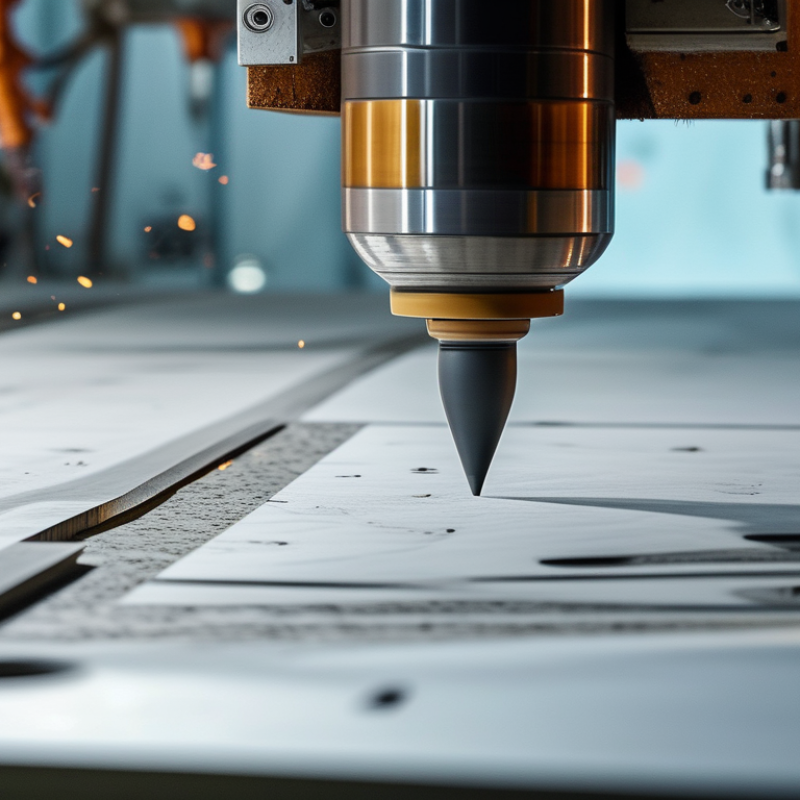
Factors Influencing Ceramic Material Properties in Laser Cutting
The quality of ceramic laser cutting hinges on multiple factors that affect the material properties. Ceramic materials are known for their hardness and brittleness. When subjected to laser cutting, these intrinsic qualities can lead to challenges. The laser's intensity, pulse duration, and cutting speed all play crucial roles. A higher intensity can melt the ceramic, compromising the cut's integrity.
The thermal conductivity of ceramics is another critical factor. Ceramics generally have low thermal conductivity, causing localized heating during the cutting process. This can lead to thermal stresses and unexpected cracks. It’s vital for operators to adjust the laser settings according to the specific ceramic type being cut. Experience and constant learning from past mistakes can improve outcomes in ceramic cutting.
Additionally, the ceramic's composition affects the laser cutting results. Different additives in the ceramic matrix can lead to varying responses to the laser beam. This unpredictability requires careful material analysis and sometimes iterative testing. Understanding these complexities is essential for achieving high-quality cuts. Improper settings can result in poor finishes or unclean edges, highlighting the need for precision in the laser cutting process.
Types of Laser Cutting Techniques Used for Ceramics
Ceramic laser cutting techniques vary significantly in application and efficiency. Common methods include CO2 lasers, fiber lasers, and solid-state lasers. CO2 lasers are widely used due to their effectiveness in cutting non-metal materials like ceramics. According to recent industry reports, CO2 lasers generate high-quality cuts, achieving precision levels of up to ± 0.01 mm. This precision is crucial for intricate designs that ceramics often require.
Fiber lasers, on the other hand, offer fast cutting speeds and minimal heat-affected zones. They are particularly effective when cutting thick ceramics. Reports indicate that fiber lasers can cut through materials up to 40 mm thick with speed rates of 1 meter per minute. However, the cost of fiber laser systems can be substantially higher, which may deter some businesses from adopting them.
Solid-state lasers provide another option, often praised for their energy efficiency and longevity. Nevertheless, they may require more initial setup and calibration compared to CO2 lasers. Some practitioners note that despite their advantages, solid-state lasers can yield inconsistent results if not properly maintained. This inconsistency highlights the importance of continuous training and adaptation in the rapidly evolving landscape of ceramic laser cutting technology.
Impact of Laser Parameters on Cutting Quality and Precision
Laser cutting of ceramics has gained popularity for its precision and quality. However, various factors influence its effectiveness. Laser parameters play a crucial role. These include power, speed, and focus. Adjusting the laser power can directly impact the cutting depth and quality of the finish. Higher power usually results in deeper cuts. This may lead to overheating or unwanted cracks, highlighting the need for careful calibration.
Speed is equally important. A slower speed can improve cut quality by allowing the material to absorb the energy more evenly. But it can also create excessive heat, potentially damaging delicate ceramics. Conversely, cutting too quickly can cause incomplete cuts or rough edges. Striking the right balance requires experience and understanding of the material's characteristics.
Focusing the laser beam is another vital aspect. An unfocused beam can lead to poor cutting accuracy. The beam’s focus point determines the energy density. A well-focused beam enhances precision and minimizes thermal damage. Operators must regularly check the focus settings based on the thickness and type of ceramic. Each cutting project presents unique challenges that demand constant reflection and adjustment in techniques used.
Role of Material Thickness in Laser Cutting Performance
The thickness of the ceramic material plays a crucial role in laser cutting performance. Thicker materials generally require higher power settings. This results in improved cutting efficiency but can affect the edge quality. Thinner ceramics may produce cleaner edges but can be more challenging to cut precisely. Inconsistent thickness may also lead to uneven cutting results, which can be frustrating.
When optimizing laser cutting, consider varying the speed and power settings based on material thickness. Adjusting these parameters allows for better control over the cutting process. It can also minimize issues like chipping or excessive heat that can occur with thicker materials. Material composition also influences how well your cutter will perform. Different ceramics react variably to the laser, impacting the overall outcome.
Keep in mind that trial and error is part of refining laser cutting techniques. Experimenting with speed, power, and focus settings is essential. Not all cuts will be perfect, and discrepancies may arise. Learn from these mistakes to improve future cutting projects. Documenting settings and results can make a significant difference in achieving consistent quality in your ceramic cutting endeavors.
Comparison of Laser Cutting vs. Traditional Methods for Ceramics
Laser cutting has emerged as a powerful alternative to traditional methods in ceramic manufacturing. It utilizes focused light beams to achieve precision cuts. This technique can offer cleaner and more intricate designs without the physical stress associated with mechanical cutting. The heat from the laser melts or vaporizes the material away, resulting in minimal waste.
However, traditional cutting methods still have their place. Techniques like diamond grinding and waterjet cutting are well-established. These methods can handle thicker ceramics and complex shapes better in some situations. They are reliable and often less expensive for less intricate designs. Yet, they can introduce mechanical stresses that may lead to cracking.
Adopting laser cutting poses challenges too. Costly equipment and skilled operators are necessary. Not every ceramic type is suitable for laser cutting either. Some materials may not respond well to the heat, causing chipping or deformation. These limitations remind us that choosing the right method requires careful consideration. Balancing precision and cost-effectiveness is crucial for successful ceramic production.
FAQS
: Ceramic hardness, brittleness, laser intensity, speed, and pulse duration are vital.
Low thermal conductivity causes localized heating, leading to cracks and thermal stresses.
Improper settings may result in poor finishes or unclean edges, affecting overall quality.
CO2 lasers, fiber lasers, and solid-state lasers are popular for their specific advantages.
They achieve high-quality cuts with precision up to ± 0.01 mm, ideal for intricate designs.
They cut thick ceramics quickly but can be costly. Their efficiency needs careful planning.
Power, speed, and focus directly affect cut depth, quality, and potential damage to materials.
An unfocused beam reduces accuracy, risking uneven cuts and thermal damage.
Overheating from high speeds or power can lead to cracks and poor cuts.
Continuous learning and reflection on past mistakes enhance cutting techniques and outcomes.
Conclusion
The quality of ceramic laser cutting is influenced by various factors that can significantly impact the final outcome. One crucial aspect includes the properties of the ceramic materials being cut, as different compositions can yield different performance results. Additionally, the type of laser cutting technique employed plays a vital role, with options varying in precision and efficiency. Furthermore, laser parameters such as power, speed, and pulse frequency are critical in determining the cutting quality and precision of the process.
Another significant factor is the thickness of the ceramic material, which directly affects the laser's ability to cut effectively and cleanly. When comparing laser cutting techniques to traditional cutting methods, the advantages of laser cutting, such as reduced material wastage and finer cutting edges, become evident. Ultimately, understanding what affects the quality of ceramic laser cutting is essential for optimizing processes and achieving desirable results in ceramic fabrication.

 Stylo Laser