The future of laser cutting technology is both promising and complex. In recent years, the market for laser cutting has been expanding rapidly. According to a report by MarketsandMarkets, the global laser cutting machine market is projected to reach USD 5.64 billion by 2026. This growth is driven by advancements in laser systems and increased demand for automation in various industries.
What is the future of laser cutting technology? This question is central to understanding industry trends. As manufacturing processes evolve, flexible laser cutting solutions are becoming essential. Industries are finding that these technologies provide efficiency, precision, and significant cost savings. However, challenges such as high initial investment costs and the need for skilled operators remain.
Potential breakthroughs, like fiber lasers and hybrid cutting systems, are on the horizon. These innovations could revolutionize capabilities and applications. Nevertheless, experts debate whether current training programs can meet future demands. This gap may hinder the technology's progression, limiting its optimal use. By examining these factors, we can gain insight into the future landscape of laser cutting technology.
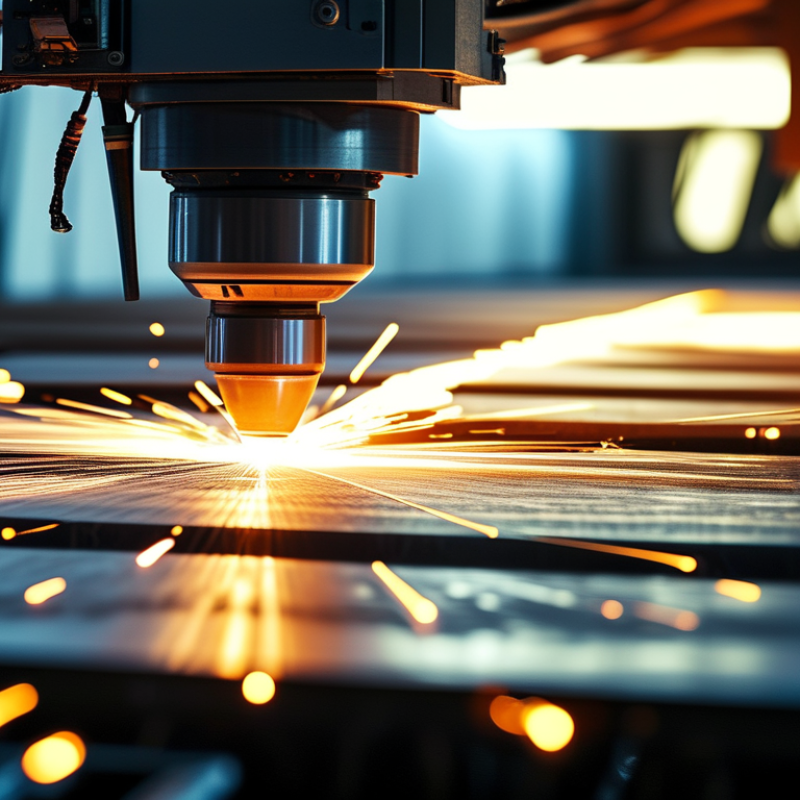
The Evolution of Laser Cutting Technology: A Historical Overview
Laser cutting technology has undergone significant evolution since its inception in the late 1960s. Initially, it was a slow and expensive process, primarily used in industrial applications. Reports indicate that the global laser cutting market was valued at approximately $4.8 billion in 2022 and is projected to grow at a compound annual growth rate (CAGR) of 5.4% through 2030. This growth reflects advancements in fiber laser technology, which offers improved efficiency and precision, capturing a more extensive market share.
The introduction of CO2 lasers in the 1970s marked a pivotal moment. They opened new doors for materials like plastics and textiles. However, early systems were limited in power and versatility. A 2023 industry report stated that nearly 60% of manufacturers still rely on older laser systems, highlighting potential inefficiencies. While these traditional methods have served the industry, they may not meet today's demands for speed and versatility.
Recent developments focus on integrating automation and smart technologies. The combination of AI with laser cutting machines enhances real-time decision-making and operational efficiency. Yet, the challenges remain. Many companies grapple with the cost of upgrading outdated systems. They must also train staff to handle new technologies effectively. This evolving landscape encourages businesses to continuously assess their capabilities and investment in future solutions.
Key Principles and Mechanisms Behind Laser Cutting Techniques
Laser cutting technology is evolving rapidly. Understanding its principles and mechanisms can enhance its application in various industries. At the heart of laser cutting lies the interaction between light and materials. This involves high-intensity laser beams precisely targeting surfaces. The focused light generates heat, leading to material melting or vaporization. Notably, different materials require specific wavelengths. For instance, metals and plastics respond uniquely to laser energy.
Tips for effective laser cutting include maintaining proper focus. A well-calibrated laser ensures clean edges and reduces waste. Additionally, adjusting the speed of the cutter affects the outcome. Too fast may lead to rough edges, while too slow can overcut. It's also essential to keep the workspace clean. Cleanliness prevents contamination and enhances accuracy.
An area for reflection is the energy consumption of laser cutting. While efficient, lasers can require significant power. Exploring alternative energy sources may be beneficial. It's crucial to stay updated on advancements and ensure equipment is regularly maintained. Each detail in the process contributes to better results and cost efficiency.
Current Applications of Laser Cutting in Various Industries
Laser cutting technology has found applications across various industries, significantly altering traditional manufacturing processes. In the automotive sector, precision laser cutting enables the fabrication of intricate parts with minimal material waste. Components like dashboards and panels are often produced using this method, which enhances accuracy and speeds up production. This technology allows for the creation of complex shapes that were once challenging to achieve with conventional methods.
In the aerospace industry, laser cutting is crucial for shaping lightweight materials. Aircraft components require extreme precision and durability. Laser cutting ensures that parts meet stringent specifications while maintaining structural integrity. Despite its advantages, industries must continuously assess the impact of laser cutting on efficiency and cost. Questions about the energy consumption and sustainability of these processes arise, prompting ongoing discussions among experts.
Moreover, the medical field is harnessing laser cutting for creating surgical instruments and prosthetics. Its ability to handle delicate materials helps in crafting devices that require high precision. However, the industry is still learning how to optimize these technologies for better results. Balancing innovation with ethical considerations remains a challenge. As laser cutting evolves, industries must adapt and rethink their strategies to ensure they harness its full potential responsibly.
How to Understand the Future of Laser Cutting Technology? - Current Applications of Laser Cutting in Various Industries
| Industry |
Application |
Material Used |
Advantages |
| Automotive |
Cutting and engraving parts |
Steel, aluminum |
High precision, flexibility |
| Aerospace |
Manufacturing components |
Titanium, composites |
Lightweight, strength |
| Electronics |
Circuit board manufacturing |
Copper, carbon fiber |
Detail-oriented, rapid processing |
| Jewelry |
Engraving designs |
Gold, silver, gemstones |
Intricate detailing, speed |
| Medical |
Surgical instrument manufacturing |
Stainless steel, plastics |
Sterility, precision |
Emerging Trends and Innovations Shaping the Future of Laser Cutting
Laser cutting technology is on the brink of transformation. Advanced innovations are emerging. The global laser cutting market is projected to grow significantly, potentially reaching $5 billion by 2026. This growth reflects various trends that reshape the industry.
One notable trend is automation. Manufacturers are integrating AI and IoT into laser cutting systems. These technologies enable real-time monitoring, increasing efficiency and reducing human error. A report from a leading industry analyst highlights that automated systems can improve production rates by over 30%. This raises questions about workforce implications and the need for reskilling.
Another emerging focus is sustainability. Companies are developing laser cutting processes that minimize waste. For instance, fiber lasers are gaining popularity due to their energy efficiency. Research suggests that these systems can use up to 50% less energy than traditional CO2 lasers. However, challenges remain in balancing sustainability with production demands. Companies must navigate these complexities to stay competitive while being environmentally responsible.
Challenges and Limitations Facing Laser Cutting Technology Moving Forward
The future of laser cutting technology is promising but faces significant challenges. According to a report by MarketsandMarkets, the global laser cutting market is projected to reach $5.6 billion by 2026. However, there are serious considerations as manufacturers strive to meet increasing demand. Energy consumption stands as a primary concern. High power requirements can lead to increased operational costs and environmental concerns.
Another challenge is material compatibility. Laser cutting excels with certain metals but struggles with others, like reflective surfaces. In the automotive and aerospace sectors, engineers often face limitations when selecting materials compatible with this technology. The need for innovation in laser systems, such as fiber lasers or CO2 lasers, remains critical.
Furthermore, precision remains a topic of debate. While advancements have improved accuracy, variations in thickness and surface texture can affect outcomes. Consistency is paramount, yet many processes still yield unpredictable results. Continuous investment in research and development is vital for overcoming these hurdles and enhancing laser cutting's reliability in various industries.
Understanding the Future of Laser Cutting Technology
This chart illustrates the importance of various factors influencing the future of laser cutting technology. Cost efficiency and material versatility are seen as critical for advancements, while speed and precision remain essential in the development of this technology.
FAQS
: Laser cutting began in the late 1960s. Initially, it was slow and expensive. It has evolved significantly since then.
CO2 lasers allowed cutting of plastics and textiles. They expanded the range of materials that could be used.
Many manufacturers still use outdated systems. These systems may not meet needs for speed and flexibility.
AI enhances decision-making in laser cutting. This leads to better operational efficiency and productivity.
Laser cutting requires significant power. High energy use can raise costs and impact the environment.
Laser cutting works well with certain metals. However, reflective surfaces can cause issues, particularly in aerospace.
Regular maintenance is crucial. Clean equipment ensures accuracy and reduces the risk of contamination.
Cutting speed affects the final quality. Too fast can lead to rough edges; too slow may cause overcutting.
Materials have unique responses to laser energy. Variations can impact precision and surface quality during cutting.
Continued research and development are essential. Innovation in systems must address challenges like material compatibility and precision.
Conclusion
The future of laser cutting technology is shaped by its rich historical evolution, key mechanical principles, and a diverse range of current applications across industries. Understanding what is the future of laser cutting technology requires an exploration of emerging trends and innovations that enhance precision, efficiency, and versatility in manufacturing processes. As industries increasingly adopt automation and artificial intelligence, laser cutting technology is expected to integrate more seamlessly with smart technologies, driving productivity and customization.
However, challenges such as high initial costs, material limitations, and environmental concerns must be addressed to fully realize the potential of laser cutting. Continuous research and development efforts are essential to overcome these obstacles and harness advancements in laser technology. By focusing on sustainability and adaptability, the future of laser cutting technology promises to revolutionize not just manufacturing, but also various sectors by enabling more intricate designs and rapid production cycles.

 Stylo Laser