Laser cutting technology has revolutionized manufacturing across various industries. However, certain materials pose significant challenges. Understanding what materials are difficult to cut with laser technology is essential for optimizing production processes.
Materials like thick metals, ceramics, and certain plastics often resist laser cutting effectively. Their unique compositions can absorb, reflect, or scatter laser energy, making clean cuts almost impossible. For instance, ceramics can shatter under high heat, while thicker metals could require multiple passes or specialized lasers to achieve satisfactory results.
Moreover, factors such as material thickness, density, and reflectivity play crucial roles in laser cutting outcomes. The industry must continuously adapt and innovate to find solutions for these challenging materials. This ongoing challenge calls for careful consideration of technology and methods in material selection.
Materials That Challenge Laser Cutting Technology
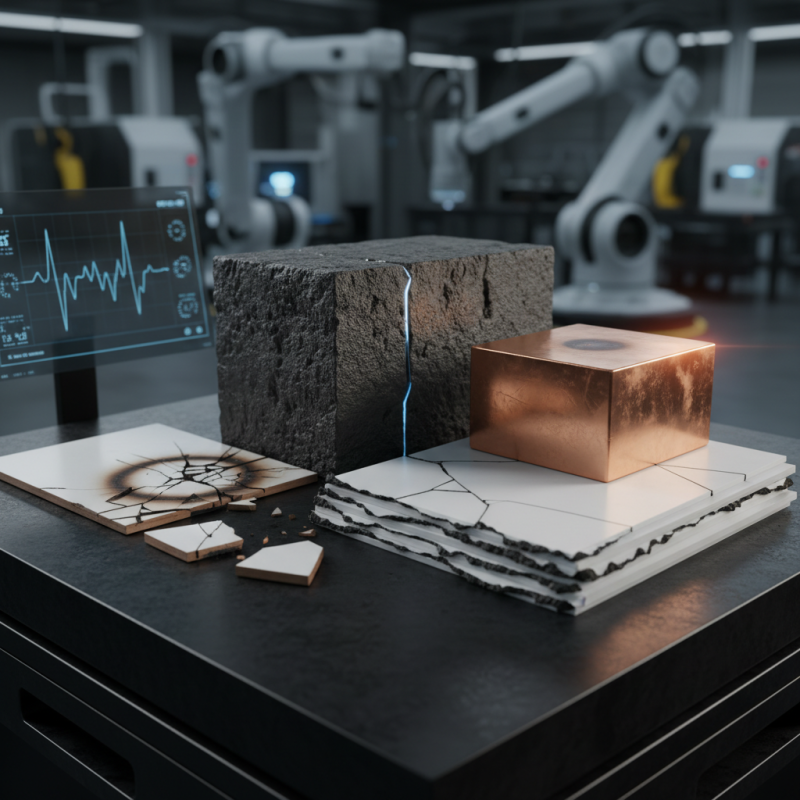
Laser cutting technology has revolutionized various industries. However, certain materials resist this method due to their unique properties. For example, metals with high reflectivity, such as copper and aluminum, can scatter laser beams. This leads to inefficiency and poor cutting quality. Their reflective nature means lasers struggle to penetrate effectively, resulting in wasted energy.
Thick or dense materials, such as stainless steel or ceramics, also pose challenges. The energy required to cut through these substances often exceeds the laser’s capacity. Moreover, ceramics can crack or shatter under intense heat, making precision difficult. Other materials, like glass, have similar issues. They can crack unexpectedly, necessitating careful handling and settings during cutting processes.
While advancements are being made, the limitations of laser cutting remain evident. Engineers and technicians must continually adapt their techniques to overcome these challenges. Exploring alternative methods or pre-treatments for such materials may create more reliable solutions. The journey toward perfecting laser cutting continues, prompting ongoing reflection and innovation.
Characteristics of Hard-to-Cut Materials
Laser technology has revolutionized cutting methods across various industries. However, some materials present significant challenges. Hard metals, ceramics, and composites often resist laser cutting effectively. Their dense structures absorb heat differently, leading to uneven cutting or even damage.
For instance, titanium is strong but notoriously hard to cut. Its tendency to warp under heat may lead to inaccurate cuts. Similarly, ceramics require specific wavelength lasers due to their brittle nature. A wrong approach can cause the material to shatter instead of being cut smoothly. Each of these materials showcases unique challenges, revealing that laser efficiency isn't guaranteed.
Understanding these characteristics is crucial for industries reliant on precision cutting. Knowledgeable technicians can assess these materials’ properties. They may need to explore alternative methods or tools to achieve desired results. Continuous improvement in laser technology must account for these exceptional cases. Balancing innovation with material science is necessary for progress.
What Materials Are Hard to Cut With Laser Technology Globally?
The following chart illustrates various materials that are known to be difficult to cut using laser technology, along with their respective difficulty levels (on a scale of 1 to 10, where 10 is the hardest to cut).
Comparative Analysis of Laser Cutting Efficiency
Laser cutting technology has transformed many industries. However, certain materials remain challenging for laser efficiency. For instance, metals like titanium and high-carbon steel pose significant difficulties. These materials require high power and specific settings that can reduce precision, leading to potential wastage.
In contrast to easier materials like acrylic and plywood, the energy absorption varies greatly. A report from the International Journal of Advanced Manufacturing Technology reveals that titanium absorbs only about 25% of laser energy, compared to 90% for wood. Additionally, when cutting thick metals, the kerf increases, resulting in larger material loss. This inefficiency often necessitates a reevaluation of optimal cutting processes.
The comparative analysis of efficiency reveals that while high-powered lasers improve performance, they may lead to rapid wear and increased operational costs. Some practitioners report significant downtime due to the maintenance needed for equipment used on hard-to-cut materials. Therefore, understanding these challenges is crucial for industries reliant on precise cutting techniques. Implementing advanced technologies, such as hybrid systems, might pave the way for improved outcomes in the future.
Innovative Solutions for Difficult Materials
Cutting difficult materials with laser technology has long been a challenge. Materials such as ceramics, glass, and certain metals require innovative approaches. According to a recent industry report, precision laser cutting can reach up to 88% efficiency when applied to soft metals. However, for tougher materials, this rate drops significantly, calling for new strategies.
Specialty techniques are emerging to address these challenges. For instance, some researchers are exploring hybrid cutting methods. Combining laser with mechanical processes may enhance effectiveness on hard materials. This approach could improve accuracy and reduce wastage, which is crucial in industries aiming for cost-effectiveness. A 2022 study highlighted that these methods could increase cutting speed by over 30% in difficult applications.
Moreover, advancements in laser technology itself are promising. Researchers are developing higher power lasers and specialized wavelengths tailored for particular materials. These innovations may allow manufacturers to tackle materials previously deemed unsuitable for standard laser cutting. Adapting to these new methods is essential for staying competitive. Industries must rethink their processes to embrace these changes, ensuring they meet evolving market demands.
What Materials Are Hard to Cut With Laser Technology Globally? - Innovative Solutions for Difficult Materials
| Material |
Thickness Range (mm) |
Challenges in Cutting |
Innovative Solutions |
| Titanium |
1 - 20 |
High reflectivity and heat conduction |
Utilization of optimized pulse frequency and assist gas |
| Carbon Fiber |
1 - 15 |
Risk of delamination and fraying |
Enhanced beam focus and special cutting heads |
| Ceramics |
0.5 - 10 |
Brittleness and thermal shock |
Use of advanced cooling techniques and laser types |
| Glass |
1 - 15 |
Fragility and cracking |
Non-contact laser processing and lower speed cutting |
| High-strength Steel |
5 - 30 |
Very high melting point |
High-powered fiber lasers and multiple passes |
Future Trends in Laser Cutting Technology
Laser cutting technology has evolved dramatically over the years. Yet, some materials remain challenging to cut effectively. This limitation opens a dialogue about the future of laser cutting.
To keep up with advancements, industries must adapt. Innovations in laser technology could enhance cutting precision and capability. Future developments may focus on increasing power output and enhancing material compatibility. This trend will likely make previously unmanageable materials more accessible for laser cutting.
Tip: Stay updated on new laser technologies. Join industry forums and attend workshops. These resources can provide insights into emerging trends and applications.
Another area to consider is the integration of AI in laser cutting. Machine learning could optimize cutting processes, reducing waste and improving efficiency. However, challenges remain. Not all software can accurately predict material behavior.
Tip: Experiment with different machine settings. This hands-on approach can lead to unexpected discoveries. Understanding your materials better is key to improving cutting outcomes. By embracing these trends, industries can push the boundaries of what's possible with laser technology.
Conclusion
Laser cutting technology has revolutionized various industries, but certain materials pose significant challenges due to their unique characteristics. In exploring "what materials are difficult to cut with laser technology," it's evident that materials like ceramics, certain metals, and composites exhibit high reflectivity, low thermal conductivity, or extreme hardness that complicate the cutting process.
These characteristics result in inefficiencies during laser cutting, leading to issues such as poor edge quality, excessive heat generation, and slow cutting speeds. In response, innovative solutions have emerged, ranging from advancements in laser technology to the development of alternative cutting methods. As the demand for precision and efficiency grows, future trends in laser cutting will likely focus on enhancing capabilities to tackle these challenging materials effectively, paving the way for broader applications across various sectors.

 Stylo Laser