Cutting materials with laser technology has revolutionized various industries. However, not all substances are created equal when it comes to laser cutting. This article explores what materials are difficult to cut with laser technology. Understanding these challenges can help manufacturers choose appropriate techniques and materials for their projects.
Laser cutting works effectively on many materials, but some present significant challenges. Dense metals, thick ceramics, and specific composites often resist efficient cutting. For example, titanium and tungsten require considerable power and precision. Their unique properties can lead to issues like heat buildup and warping. Additionally, materials with high reflectivity can bounce the laser beam, making cutting even more complex.
Knowing what materials are difficult to cut with laser technology is essential for achieving desired results. It encourages innovation in cutting methods. Identifying limitations also highlights the need for alternative techniques. Manufacturers may need to refocus or rethink strategies to overcome these hurdles. The quest for improvement continues.
Understanding Laser Cutting Technology: An Overview
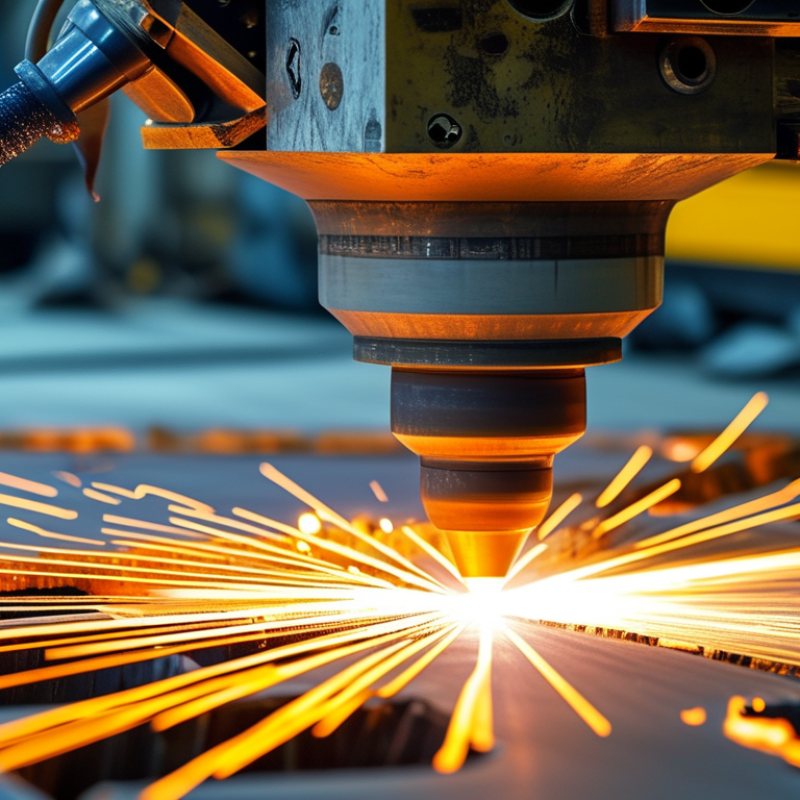
Laser cutting technology has revolutionized the manufacturing industry. It uses focused laser beams to precisely cut a variety of materials. The process emits thermal energy, allowing for intricate designs and clean edges. This technology is commonly applied in metalworking, textile cutting, and even in woodworking.
However, not all materials are easy to cut with lasers. For instance, materials with high reflectivity or extreme thickness present challenges. Certain metals, like copper and brass, can reflect lasers, making cuts inefficient. Additionally, some composites may release toxic fumes during the process, raising safety concerns.
Understanding the properties of materials is vital. Each material reacts differently under laser technology. For example, ceramics can shatter if not handled properly. Wood may burn if settings are not optimized. It is crucial to adjust the intensity, speed, and focus of the laser. Safety protocols should always be followed to avoid accidents. Continuous learning and adaptation in laser cutting techniques are necessary for successful applications.
Key Factors Affecting Laser Cutting Efficiency
Laser cutting technology has revolutionized various industries, yet efficiency can vary widely. When addressing the hardest materials to cut, several key factors influence the outcomes. Material thickness significantly impacts the cutting process. Thicker materials require higher power settings and longer exposure times, which can lead to heat distortion or incomplete cuts.
Another crucial factor is the material's thermal conductivity. Metals like copper or aluminum dissipate heat quickly. This limits the effective range of laser parameters. Many operators face challenges when cutting such conductive materials. Additionally, surface reflectivity plays a vital role. Highly reflective surfaces can bounce back laser energy, reducing cutting efficiency. Such behavior often leads to trial and error in determining the right settings.
In terms of focused beam quality, the diameter of the laser beam at the material's surface is essential. A smaller beam diameter allows more precision but requires optimal alignment. Misalignment can result in uneven cuts or even damage to the laser itself. Understanding these factors is essential for anyone involved in precision cutting. Continuous learning and adjustment will lead to better results.
Top 10 Hardest Materials and Their Properties
When discussing the hardest materials to cut with laser technology, it's essential to understand their unique properties. Materials like diamond, known for its exceptional hardness, resist laser cutting due to their structure. Sapphire, with high durability, also poses challenges. These materials require specialized techniques and tools for effective processing.
While considering laser cutting, keeping the material's thermal conductivity in mind is vital. For instance, tungsten has a high melting point, making it difficult to slice. On the other hand, materials like titanium have a lower thermal conductivity but can still be problematic due to their reactivity. Each material has distinct properties affecting the cutting process.
**Tips:** Accurate settings are crucial when cutting tough materials. Make necessary adjustments to laser speed and power. Regularly maintain and calibrate equipment to ensure precision. Experiment with different settings on similar materials to hone your techniques. Being aware of challenges and continuously adapting strategies can yield better results in laser cutting operations.
Challenges in Cutting Hard Materials with Lasers
Cutting hard materials with laser technology presents numerous challenges. The high density and toughness of these materials often lead to difficulties in achieving clean cuts. Laser systems must produce enough power to penetrate deeply into these robust surfaces. Common examples include diamond and tungsten carbide, known for their exceptional hardness. Precise adjustments in focus and speed are crucial to maintain the integrity of the material.
Understanding the material's thermal properties is vital. Some hard substances may absorb heat unevenly, causing warping or cracking. This makes it essential to thoroughly evaluate each material's response to laser energy. Operators sometimes overlook the importance of cooling mechanisms, which can exacerbate issues. Effective cooling ensures the material remains stable during cutting.
Tips for improving laser cutting on hard materials include optimizing the gas assist for better material removal. A focused beam can increase efficiency, but calibration is key. Experimentation with different cutting parameters often yields better results. Additionally, using automated systems can enhance precision. It’s important to focus on creating a controlled environment to minimize external variables that could affect the cutting process. Balancing power and speed can reduce the risk of damage while enhancing cut quality.
Top 10 Hardest Materials to Cut with Laser Technology
Innovative Solutions and Techniques for Hard Material Cutting
Cutting hard materials with laser technology presents unique challenges. Materials like titanium, tungsten, and ceramics are particularly tough. According to a recent industry report, nearly 30% of laser cutting applications face difficulties due to material hardness. Specialized techniques are crucial to overcome these hurdles.
One innovative solution involves using pulsed laser beams. These lasers create high energy in short bursts, reducing thermal damage. Studies indicate that using this method can increase efficiency by up to 50% when cutting metals. Another method involves adjusting the laser's focus and power. Precision is essential. A well-focussed beam delivers more energy to the material, making cutting more effective.
Furthermore, advancements in laser technologies, like fiber and ultra-short pulse lasers, show promise. They offer finer control and better performance on hard surfaces. However, challenges remain. Not all facilities have access to these technologies, limiting their widespread use. Continuous research is needed to enhance capabilities. The industry must address these barriers to fully leverage laser cutting in hard materials.
Conclusion
Laser cutting technology has revolutionized various industries, yet some materials remain exceptionally challenging to cut effectively. Understanding what materials are difficult to cut with laser technology is crucial for optimizing efficiency in manufacturing processes. Various factors, such as the material's thickness, reflectivity, and thermal conductivity, significantly impact cutting performance.
The article highlights the top 10 hardest materials to cut, including metals, composites, and ceramics, detailing their properties and the specific challenges they present during the laser cutting process. Innovative techniques and solutions, such as using advanced laser systems and tailored cutting parameters, are discussed to overcome these challenges and enhance cutting efficiency in hard materials. Through a comprehensive understanding of these factors and solutions, industries can better navigate the complexities of laser cutting difficult materials.

 Stylo Laser