How Does Automation Change Manufacturing Lines in 2026?

Time:2026-11-06 Author:Madeline
0%

How does automation change manufacturing lines in 2026? The clearest changes are visible at the line itself: robotic arms handle repetitive transfers, camera systems inspect parts, and software adjusts schedules as orders shift. These tools can reduce manual bottlenecks and catch defects earlier. They do not make every factory faster by default.

Tesla CEO and manufacturing innovator Elon Musk has described the importance of factory design with a concise observation: “The machine that builds the machine is the product.” His point is useful here: automation depends on how equipment, software, people, and workflows fit together—not on robots alone.

In 2026, manufacturers are connecting sensors, programmable robots, and production data to coordinate tasks and monitor equipment. A camera might flag a misaligned component before it reaches final assembly. A maintenance alert might help a technician inspect a noisy motor before a stoppage. Small changes matter. So do integration costs, worker training, cybersecurity, and reliable data. Automation can also expose problems that were previously hidden in manual work. That part is easy to overlook.

This introduction examines where automation can improve throughput, quality, and flexibility—and where expectations need restraint. Results vary by product, factory layout, and implementation. The technology is advancing, but not every line needs a fully automated future. A more careful question is how to choose the right tasks, measure the results, and keep people involved in decisions that affect production.
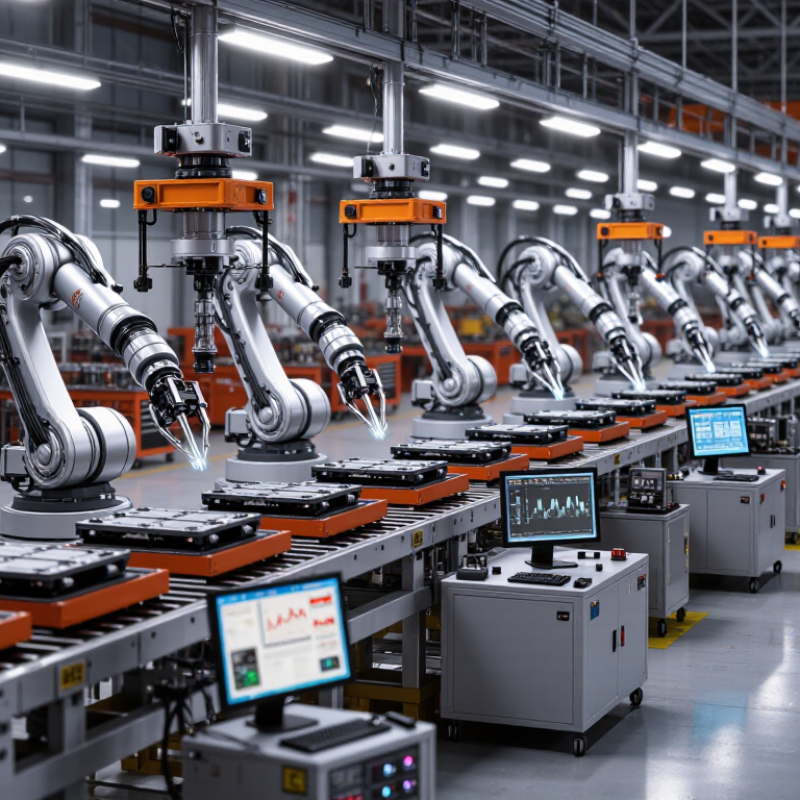
How Does Automation Change Manufacturing Lines in 2026?

Automation Technologies Transforming Manufacturing Lines in 2026

In 2026, automation on manufacturing lines is less about replacing one task with one machine. Sensors, machine vision, and edge computing can work together to spot defects while parts are still moving. A camera may flag a misaligned label, while a nearby controller adjusts the line without waiting for a distant server. That matters. Faster feedback can reduce scrap, but only when cameras are clean and inspection data is well maintained.

Collaborative robots increasingly handle repetitive work such as placing components or tending machines. Autonomous mobile robots can move bins between stations, guided by maps and changing traffic conditions. Digital twins let engineers test a revised production sequence before changing the physical line. These tools are useful, but a simulated cycle is not always a real one; worn tooling and awkward part variation can still surprise a team.

Predictive maintenance systems analyze vibration, temperature, and motor load to identify patterns that may precede equipment failure. They can help technicians schedule checks before a spindle overheats during a busy shift. Not perfectly. Poor sensor placement or incomplete maintenance records can produce misleading alerts. Workers remain essential: their experience often explains why a machine jams only after a particular material batch arrives. Automation works best when that observation reaches the people tuning the system.

How Automated Systems Coordinate Production Tasks

In 2026, automated production depends less on isolated machines than on how work moves between them. A line controller can receive an order, check available components, and assign tasks to cutting, assembly, and inspection stations. Sensors report whether a fixture is occupied, a tool needs attention, or a part has reached the next conveyor. That information lets the system adjust task timing, rather than allowing one delay to stop every station.

Timing matters.

If a packaging cell falls behind, upstream equipment may slow while a buffer holds completed units. Operators can review dashboard alerts and check likely causes, including a crooked part or an empty feeder.

Coordination also depends on shared data: each station needs consistent part IDs, status updates, and safe handoff points. When a scanner misses a label, the line may pause or route the item for manual verification. People still intervene. A trained operator can confirm the exception, correct the setup, and restart the sequence under approved procedures. Good systems record these changes, making recurring stoppages easier to trace across shifts.

Yet a polished dashboard can hide poor data or a process that was never tested under real product variation. That is worth questioning.

Teams should compare system logs with physical checks, especially after a new product or schedule change. Coordination improves when software and workers share accurate information, but no system removes the need for judgment.

The Changing Roles of Workers on Automated Lines

How Does Automation Change Manufacturing Lines in 2026?

The Changing Roles of Workers on Automated Lines

On an automated manufacturing line in 2026, workers may spend less time repeating physical tasks and more time monitoring how machines perform. A technician might check a dashboard, then inspect a station where a sensor has flagged inconsistent parts. The screen gives a clue, not the whole answer. Workers still need to judge whether the issue comes from a worn tool, a misplaced component, or a faulty reading.

Some tasks remain. Hands-on experience helps people notice small changes, like a new vibration or a rough edge, before they become larger problems.

These roles also require communication. An operator may pause a line, explain the fault to maintenance staff, and record what happened for the next shift. Training increasingly includes basic data interpretation, equipment troubleshooting, and safe responses to unexpected stops.

Yet the transition is uneven. Not every alert is useful, and workers can feel responsible for systems they did not help design. That deserves attention. Manufacturers need clear procedures, realistic training time, and ways for employees to report confusing or repeated faults.

Automation can reduce routine strain, but it does not remove the need for judgment, teamwork, or careful decisions under pressure.

Effects on Productivity, Quality, and Workplace Safety

In 2026, automation is changing manufacturing lines through connected robots, vision systems, and software that adjusts work in real time. These tools can reduce repetitive handling and keep machines running at a steadier pace. A sensor may flag a misaligned part before it reaches the next station. That means fewer stoppages and less rework, though gains depend on equipment maintenance and accurate setup. Errors travel fast. Teams should compare output, scrap rates, and downtime before and after changes, rather than relying on headline productivity figures.

Quality can improve when cameras inspect each item consistently, while automated records help trace defects to a station or shift. Yet a vision system can miss a new defect pattern, so trained workers need authority to pause the line and review unusual results. Safety benefits are equally practical: robots can handle hot, heavy, or sharp components, while interlocks can limit access to moving equipment. But automation does not remove risk. Poorly placed workstations, rushed maintenance, or unclear handoffs can create new hazards around automated cells. Workers need task-specific training, visible emergency stops, and time to report near misses without blame. Not seamless. A line may become faster while work grows more supervisory and mentally demanding. That trade-off deserves honest measurement, not assumptions that every automated task is easier.

How Automation Is Changing Manufacturing Lines

Global industrial robot installations, 2018–2024 (thousands)

Global installations reached approximately 542,000 in 2024, reflecting the expanding use of automation on manufacturing lines. Robots can support higher throughput, more consistent processes, and safer handling of hazardous or repetitive tasks. Installation totals measure adoption—not guaranteed gains in productivity, quality, or safety; outcomes depend on implementation and workplace practices.

Source: International Federation of Robotics (IFR), World Robotics 2025. Values are rounded to the nearest thousand.

Challenges of Integrating Automation into Manufacturing

In 2026, adding automation to a manufacturing line is often harder than installing a robot. Existing machines may use different control systems, sensors, and data formats. A new cell might pause because an older conveyor cannot share a reliable signal with it. That gap can turn a planned upgrade into weeks of troubleshooting. Small tests matter.

Downtime is another real constraint. A plant cannot always stop production for a full redesign, so teams may need to integrate equipment during short maintenance windows. Safety checks also become more complex when people and automated machines share floor space. Workers need practical training, not just a quick screen demonstration; they must know how to respond when a sensor misreads a part or a machine enters a fault state.

Data quality deserves equal attention. If measurements are inconsistent, automated decisions can repeat the same mistake at higher speed. There is no perfect rollout. A phased approach, clear fallback procedures, and input from operators can expose problems early, though even careful plans may need revision once the line is running.

FAQS

How do sensors and machine vision help manufacturing lines?

Cameras can spot a crooked label while a part is still moving. Nearby controllers may adjust the line quickly. Clean cameras matter.

What work can collaborative and mobile robots perform?

Collaborative robots can place components or tend machines. Mobile robots move bins between stations, following maps and changing traffic conditions. They still need clear routes.

How do digital twins support production changes?

Engineers can test a revised production sequence in a simulation before changing the real line. But worn tools and uneven parts can behave differently. The simulation is only a clue.

How does automation change workers’ daily roles?

Workers may monitor dashboards, inspect flagged stations, and troubleshoot equipment. A screen can point to a problem, but people still judge its cause. That takes experience.

Can predictive maintenance prevent equipment failures?

Systems can analyze vibration, temperature, and motor load for warning patterns. Technicians might check a spindle before it overheats. Alerts can mislead when sensors are poorly placed.

How can automation affect productivity and quality?

Sensors may catch misaligned parts early, reducing rework and stoppages. Cameras can inspect items consistently, while records help trace defects. Results need careful measurement.

Does automation make manufacturing lines safer?

Robots can handle hot, heavy, or sharp components. Interlocks and visible emergency stops can reduce some risks. They do not remove every hazard.

What training and support do workers need?

Workers need practice interpreting data, troubleshooting equipment, and responding to unexpected stops. They also need time to report confusing faults. We may underestimate that need.

Conclusion

In 2026, automation is reshaping manufacturing lines through connected machines, sensors, robotics, and software that help coordinate production tasks. These systems can monitor materials and equipment, adjust workflows, and share timely information across different stages of production. This explains how does automation change manufacturing lines: routine processes become more consistent and coordinated, while workers increasingly focus on monitoring systems, solving problems, maintaining equipment, and supporting continuous improvement.

Automation can raise productivity by reducing delays and improve quality through precise, repeatable operations. It may also strengthen workplace safety by taking on certain repetitive or physically demanding tasks, though careful oversight remains essential. Integrating automation can be challenging, requiring investment, staff training, updated processes, and reliable connections between new and existing equipment. Manufacturers that plan these changes thoughtfully can balance the benefits of automated systems with the expertise and judgment of their workforce.

Madeline

Madeline

Madeline is a dedicated marketing professional with a wealth of expertise in our company's core offerings. With a keen understanding of the industry, she brings a unique perspective to her role, consistently delivering high-quality content that highlights the superior aspects of our products. As......