How Are Thin Electrical Steel Sheets Processed in 2026?

Time:2026-09-09 Author:Sienna
0%

In 2026, manufacturers are producing thinner electrical steel sheets to reduce core losses in motors, transformers, and high-efficiency power equipment. The central question is: how are thin electrical steel sheets processed without sacrificing magnetic performance, strength, or dimensional stability? The answer involves tightly controlled metallurgy, rolling, heat treatment, and surface engineering.

Production begins with carefully selected iron alloys containing silicon and small amounts of other elements. Continuous casting creates slabs, which are reheated and hot-rolled into thinner strips. Cold rolling then reduces the thickness with precise pressure and tension control. Some advanced lines use multiple passes, measuring thickness and flatness continuously. The strip may become only a few tenths of a millimeter thick.

Heat treatment is critical. Decarburization annealing removes unwanted carbon and develops the required grain structure. Grain-oriented grades receive additional processing to align magnetic grains, while non-oriented grades are optimized for rotating magnetic fields. A thin insulating coating is applied to reduce eddy-current losses between stacked sheets. Slitting, trimming, and automated inspection follow. Cameras and sensors check burrs, scratches, coating defects, and edge quality.

Small errors matter. A tiny burr can increase losses or damage insulation during stacking. Tension, furnace atmosphere, and cooling rates must remain stable across long coils. Yet no production line is perfect. Material variability, equipment wear, and measurement limits still require engineering judgment. Reliable manufacturers therefore combine laboratory testing, process data, and practical operator experience. The best results come from controlled repetition, not from one impressive machine.
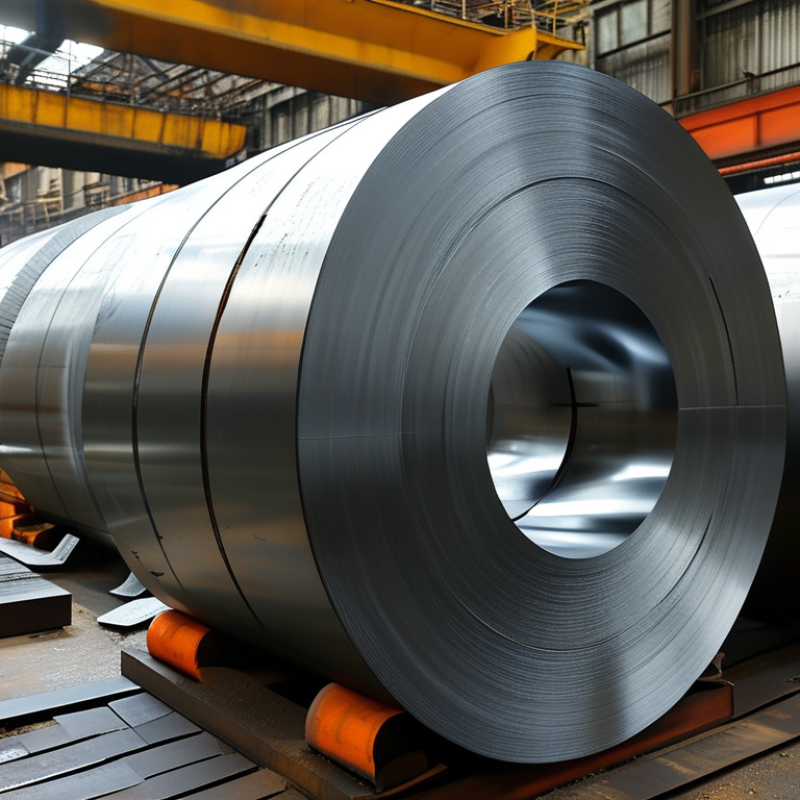
How Are Thin Electrical Steel Sheets Processed in 2026?

Raw Materials and Core Properties of Thin Electrical Steel Sheets

How Are Thin Electrical Steel Sheets Processed in 2026?

Thin electrical steel sheets begin with carefully controlled iron-based raw materials. Silicon usually ranges from about 1% to 3.5% in non-oriented grades, while grain-oriented grades require tighter chemistry and texture control. Small additions of aluminum or manganese can improve resistivity and magnetic stability. Carbon must remain very low. Excess carbon can increase aging losses during service.

The World Steel Association reported 1.892 billion tonnes of crude steel production in 2023. The IEA’s Global EV Outlook 2024 recorded more than 14 million electric car sales that year. These figures suggest stronger demand for efficient motor and transformer cores, although neither report measures electrical steel separately. That gap matters. Industry forecasts are not always comparable.

Core performance depends on thickness, grain structure, insulation coating, and rolling quality. A 0.23 mm sheet can reduce eddy-current losses, but it may require stricter tension and handling control. IEC 60404 test methods commonly evaluate specific total loss and magnetic polarization at defined frequency and induction.

A useful warning: thinner is not automatically better. Poor flatness, burrs, or coating damage can erase expected gains.

In practical quality checks, operators should compare laboratory loss values with stacked-core results. Data can disagree. I would not treat one catalog value as truth.

Slab Preparation and Hot Rolling of Electrical Steel

Thin electrical steel begins with disciplined slab preparation, not the rolling mill. Slabs are inspected for cracks, corner defects, and segregation before reheating. Surface conditioning removes scale-forming defects that could become laminations later. Reheating usually operates near 1,200–1,250°C, depending on chemistry and target magnetic performance. Temperature uniformity matters more than a single furnace reading. A cold center can increase rolling force and distort the final texture.

During roughing, controlled reductions break down the cast structure and improve thickness uniformity. Finishing stands then reduce the strip to roughly 2–3 mm before downstream cold rolling. Hot-finishing temperatures commonly remain around 850–950°C, but the correct window depends on grade and mill design. Excessive cooling can raise deformation resistance. Too much heat may enlarge grains or worsen surface oxidation. Small deviations matter.

Demand is becoming less forgiving. The International Energy Agency reported more than 17 million electric cars sold globally in 2024, increasing pressure on non-grain-oriented electrical steel supply. The World Steel Association recorded about 1.89 billion tonnes of crude steel production in 2023, yet electrical steel remains a specialized fraction. That contrast is important. High volume does not guarantee suitable magnetic quality. A useful process review should compare furnace records, rolling loads, strip crown, and core-loss measurements. Some plants still overemphasize exit temperature. That is an understandable, but incomplete, assumption.

Cold Rolling and Thickness Control

How Are Thin Electrical Steel Sheets Processed in 2026?

Cold Rolling and Thickness Control

In 2026, thin electrical steel sheets are processed through tightly controlled cold rolling passes. The strip enters between polished work rolls, where pressure reduces its thickness without heating the material. Each pass may remove only a small amount of steel. That restraint matters.

A modern mill measures entry and exit thickness continuously with non-contact gauges. Control software compares both readings, then adjusts the roll gap within milliseconds. Strip tension also matters. Excessive tension can stretch the sheet and create misleading measurements. Uneven roll wear may produce a center crown or thinner edges. Operators therefore inspect cross-width profiles, not only average thickness.

Temperature changes complicate the work. Friction warms the rolls, while coolant flow changes their shape slightly. Compensation models estimate these effects, but a model can drift. I would not trust automation without physical checks. Periodic samples are measured with calibrated instruments at several points across the sheet. Small errors can later affect magnetic efficiency and stacking accuracy.

The final passes require patience. Very thin gauges expose every disturbance, including vibration, surface particles, and unstable tension. Clean rolls help, but cleanliness is not perfection. Some production lines still pause to investigate patterns that software labels acceptable. That caution is useful. Reliable thickness control combines sensors, mechanical adjustment, operator experience, and records that reveal gradual process changes.

Cold-Rolled Electrical Steel Thickness Control

This representative process-control profile shows a 0.20 mm final gauge produced from a 2.30 mm incoming strip, corresponding to an approximately 91.3% thickness reduction. Measurements remain within a ±3 μm control band around the 200 μm target during continuous cold rolling.

Annealing, Insulation Coating, and Surface Treatment

How Are Thin Electrical Steel Sheets Processed in 2026?

Thin electrical steel sheets depend on controlled annealing before they become reliable magnetic components. After cold rolling, manufacturers clean the surface and remove rolling oils. A decarburization anneal then adjusts carbon content and relieves internal stress. Temperature uniformity matters greatly. Small furnace variations can change grain structure, core loss, and permeability. Modern lines monitor atmosphere dew point, strip tension, and heating zones continuously. Still, a perfect recipe rarely exists.

Insulation coating follows annealing. The coating must separate adjacent sheets and reduce eddy-current losses. Operators control viscosity, coating weight, drying temperature, and line speed. Too little coating may reduce insulation resistance. Too much can affect stacking accuracy. Adhesion tests, visual checks, and interlaminar resistance measurements reveal weak areas. Pinholes are easy to miss. They are not harmless.

Surface treatment protects the sheet during storage, forming, and assembly. It may improve corrosion resistance, punching performance, or coating adhesion. Before treatment, the surface needs consistent cleanliness and low roughness variation. Burrs from slitting or punching can damage insulation layers and create local electrical contact. Practical inspection uses microscopy, thickness gauges, and statistical process records. Data helps, but judgment still matters. A failed batch often teaches more than a smooth production run.

Slitting, Quality Inspection, and Final Processing

How Are Thin Electrical Steel Sheets Processed in 2026?

Slitting, Quality Inspection, and Final Processing

In 2026, thin electrical steel sheets are slit with tightly controlled tension and guiding systems. The line divides wide coils into precise strips without damaging the insulation coating. Operators monitor strip width, edge condition, burr height, and coil alignment during production. Small deviations matter. A burr near the cutting edge can weaken stacking accuracy and increase local losses in finished cores.

Modern inspection combines cameras, laser gauges, and surface sensors. These tools check scratches, coating gaps, waviness, thickness variation, and edge cracks in real time. Each coil receives traceable measurement records, including speed, tension, temperature, and inspection results. Experienced technicians still verify doubtful readings with micrometers and visual checks. Automated systems are useful, but they can misread glare or unusual surface patterns. That remains a practical weakness.

Final processing depends on the customer’s core design. Sheets may be cut to length, deburred, stacked, or prepared for precision stamping. Careful handling prevents dents and protects the thin coating around punched edges. Clean work areas also reduce dust between layers. In practice, perfect consistency is difficult. Tool wear, changing coil hardness, and operator adjustments can create minor variation. Reviewing these imperfections helps improve settings before the next production run.

FAQS

: What raw materials are used in thin electrical steel sheets?

: They mainly use carefully controlled iron-based materials. Silicon often ranges from 1% to 3.5% in non-oriented grades. Small amounts of aluminum or manganese can improve resistivity and magnetic stability. Carbon must remain very low.

Why does sheet thickness matter?

A 0.23-millimeter sheet can reduce eddy-current losses. However, thinner material needs stricter tension and handling control. It is not automatically better. Poor flatness or damaged coating can cancel expected benefits.

What happens after cold rolling?

The surface is cleaned and rolling oils are removed. Decarburization annealing adjusts carbon content and relieves internal stress. Furnace temperature, atmosphere moisture, and strip tension require close monitoring. Small variations can change magnetic performance.

Why is insulation coating important?

The coating separates adjacent sheets and limits unwanted electrical currents. Operators control coating weight, viscosity, drying temperature, and line speed. Too little coating may reduce insulation resistance. Too much coating can affect stacking accuracy.

How are surface defects detected?

Cameras, laser gauges, and surface sensors inspect the strip continuously. They can detect scratches, coating gaps, waviness, thickness changes, and edge cracks. Technicians may confirm doubtful readings with micrometers. Automated inspection is useful, but not flawless.

What problems can slitting create?

Slitting can produce burrs, uneven edges, or poor coil alignment. A burr may damage insulation and reduce stacking accuracy. Operators monitor strip width, tension, edge condition, and burr height. Small deviations matter.

What quality records are kept during production?

Each coil can receive records for speed, tension, temperature, width, and inspection results. These records support traceability and process improvement. Laboratory measurements should be compared with stacked-core results. The numbers may disagree.

How are sheets prepared for final core assembly?

Sheets may be cut, deburred, stacked, or prepared for precision stamping. Clean work areas reduce dust between layers. Careful handling prevents dents and coating damage. Tool wear and changing coil hardness can still create minor variation.

Can one catalog value prove sheet quality?

No. Magnetic loss depends on thickness, grain structure, coating, rolling quality, and assembly conditions. A single value may not represent a finished core. I would treat it as a reference, not absolute truth.

Conclusion

How are thin electrical steel sheets processed? The process begins with carefully selected steel compositions designed to provide low core loss, high magnetic permeability, and suitable mechanical strength. After casting, slabs are reheated and hot-rolled to reduce their thickness while refining the material’s structure. The hot-rolled strip is then pickled and cold-rolled through controlled passes to achieve the required thin gauge, flatness, and dimensional accuracy.

Next, annealing develops the desired magnetic properties by relieving internal stress and promoting an appropriate grain structure. An insulating coating is applied to reduce eddy-current losses between stacked sheets, while surface treatments improve protection and handling performance. Finally, the processed strip is slit into precise widths, inspected for thickness, surface quality, magnetic performance, and coating consistency, and then prepared for shipment or further core manufacturing. Careful control at every stage ensures reliable electrical efficiency and stable performance in transformers, motors, and other electromagnetic equipment.

Sienna

Sienna

Sienna is a skilled marketing professional with a deep expertise in our company’s core products and services. With a passion for innovation and detail, she plays a pivotal role in crafting insightful blog posts that not only highlight the unique features of our offerings but also provide valuable......