How to Improve Accuracy in Laser Cutting Machines Effectively?

Time:2026-08-05 Author:Madeline
0%

In the world of manufacturing, laser cutting machines are pivotal. They provide precision and efficiency in various applications. However, the question arises: how to improve accuracy in laser cutting machines? According to a report by the International Society for Precision Engineering, enhancing accuracy can lead to a 30% reduction in material waste. This statistic emphasizes the need for improvement in this sector.

Expert Dr. Emily Carter, a leading figure in laser technology, highlights, “Precision in laser cutting is paramount for cost-effective production.” This underscores the importance of refining techniques and tools used in the process. Many companies still struggle with achieving optimal settings, leading to inconsistencies in their output. Addressing these challenges involves adopting advanced technologies and regular calibration of machines.

Moreover, understanding the materials being cut is crucial. Different materials react uniquely to lasers, affecting the outcome. Implementing real-time monitoring systems can significantly enhance accuracy. While many manufacturers are eager for improvements, some remain hesitant to invest in new technologies. This reluctance can hinder progress, ultimately affecting productivity and profit margins. It is essential to confront these issues head-on to achieve the desired outcomes in laser cutting operations.
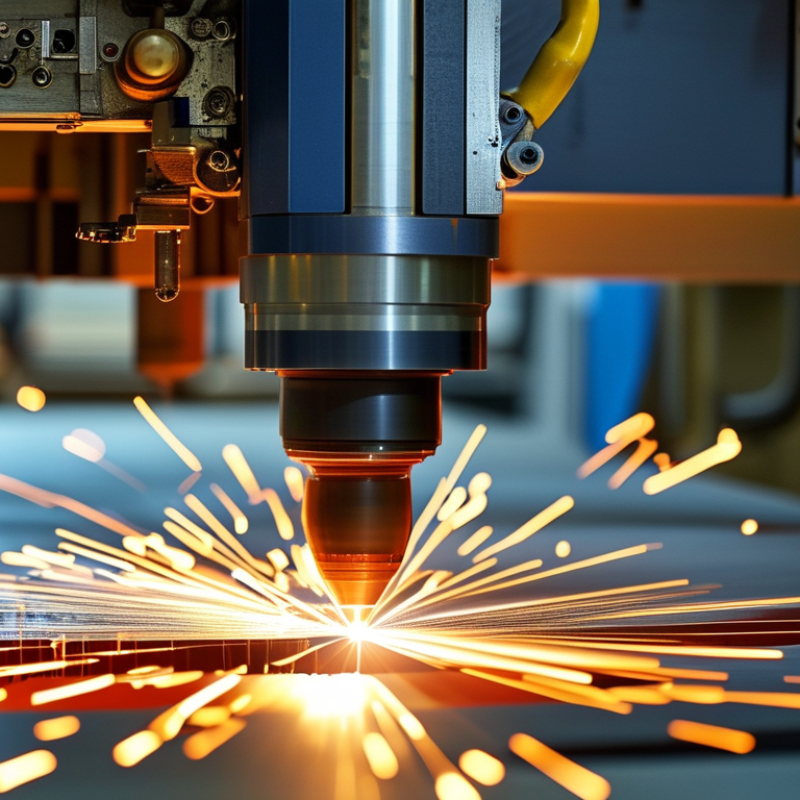
How to Improve Accuracy in Laser Cutting Machines Effectively?

Factors Affecting Accuracy in Laser Cutting Machines

When considering the accuracy of laser cutting machines, several factors come into play. The beam quality influences precision significantly. A concentrated beam can produce cleaner cuts, while a wider beam may result in more kerf deviation. Regular maintenance of the laser optics is necessary to avoid a decline in performance. Contaminated lenses or mirrors can distort the laser path, leading to inaccuracies.

Material choice is another crucial factor. Different materials react uniquely to laser cutting. For example, thicker materials may require adjustments in speed and power settings. Miscalculations here can lead to excessive heat and warping. Moreover, proper alignment of materials is essential. Even slight misalignments can yield poor results.

The cutting environment also plays a role. Dust and humidity can affect the machine's performance and, ultimately, the cut's accuracy. Operators must ensure a clean workspace. Calibration of the machine before cutting is vital. An improperly calibrated machine will invariably contribute to inconsistent results. While these details are often overlooked, they can profoundly impact the precision of laser cutting operations.

How to Improve Accuracy in Laser Cutting Machines Effectively?

Factor Description Impact on Accuracy (%)
Laser Power The amount of energy supplied to the laser, affecting cutting speed and quality. 25
Material Thickness The thickness of the material can influence the precision of the cut. 20
Focus Lens Condition The clarity and alignment of focus lenses are crucial for beam accuracy. 30
Cutting Speed Speed at which the laser moves affects the overall quality of the cut. 15
Material Type Different materials react differently to laser cutting, affecting accuracy. 10

Calibration Techniques for Enhanced Laser Cutting Precision

Calibration is crucial for enhancing laser cutting precision. Proper adjustments can significantly impact the quality of cuts. Misalignment can lead to inaccuracies, causing wasted materials and increased costs. Regular calibration ensures that the laser cutter operates at its best. Operators should check the focus position frequently, as even slight deviations can alter the cutting depth.

Using advanced calibration techniques can further improve accuracy. Software tools can assist in monitoring the laser's performance. Laser beam quality should also be assessed regularly. Small fluctuations in the beam can lead to uneven cuts. It’s helpful to establish a routine calibration schedule, rather than relying on irregular checks. However, not all equipment will respond the same way to adjustments.

Continuous learning is essential in this field. Operators should stay updated on best practices and seek feedback. Engaging with experienced peers can unveil new insights. Mistakes in calibration often teach the most valuable lessons. Learning from inaccuracies can refine operators' skills over time. A culture of reflection and assessment promotes improvement and fosters precision.

Material Selection and Its Impact on Laser Cutting Accuracy

Material selection is crucial for achieving high accuracy in laser cutting processes. Different materials react differently to laser beams, which can directly affect cutting precision. For instance, metals like stainless steel and aluminum have distinct thermal conductivity and absorption rates. A study by the International Journal of Advanced Manufacturing Technology highlights that carbon steel may yield a cut accuracy of 0.01 mm, while other materials like acrylic may present challenges resulting in kerf widening.

When choosing materials, consider both the thickness and the melting point. Thicker materials often require higher power settings, which may lead to a loss of detail in intricate designs. Conversely, thinner materials may exceed the laser’s capacity to control the cut quality. A careful balance is needed to ensure optimal results.

Tips: Always run initial tests on sample materials. This helps to identify the right settings. Fine-tuning your laser parameters can significantly enhance the quality of your cuts. Adjusting speed and power can make a big difference. Be prepared for trial and error; it's a part of the learning process.

Additionally, understand that even small variations in material quality can lead to inconsistent results. Factors such as surface finish and impurities can affect the outcome. Regularly reviewing material specifications can help in making informed decisions.

Regular Maintenance Practices for Optimal Laser Cutting Performance

Regular maintenance is essential for optimal performance in laser cutting machines. According to the Laser Institute of America, proper upkeep can enhance cutting accuracy by up to 30%. Regular checks on the machine’s optics, lenses, and mirrors can prevent small issues from becoming major problems. This attention to detail ensures that the laser beam remains focused and effective throughout production.

Alongside optic maintenance, software updates play a crucial role. Keeping the cutting software updated can ensure compatibility with design files and improve cutting algorithms. A study by Tech-Advice found that engaging in regular software reviews can enhance efficiency by 20%. Even minor software bugs can impact precision, leading to wasted materials and time. Conversely, neglecting these aspects can result in significant errors during operation.

Investing time in maintenance routines is often overlooked. Some operators might find it tedious, but the long-term benefits are clear. A comprehensive maintenance schedule helps identify wear and tear on critical components. It is a reminder that neglect may bring about inaccurate cuts and increased costs. Regular maintenance stands as an investment in both quality and efficiency, ultimately benefiting production outcomes.

Laser Cutting Machines Accuracy Improvement Over Time

Advanced Technologies to Boost Laser Cutting Machine Accuracy

In the realm of laser cutting, accuracy is paramount. Innovative technologies are emerging to enhance this precision. For instance, based on a report from Laser Focus World, advancements in software algorithms can significantly improve cutting accuracy by up to 30%. These algorithms enhance the real-time adjustments based on material properties and cutting conditions.

Another vital technology is the integration of AI systems. Machine learning can predict errors during the cutting process, allowing for timely adjustments. A study from the Journal of Manufacturing Science highlighted that machines using AI showed a 25% reduction in errors compared to traditional setups. This not only boosts efficiency but also optimizes resource usage.

Tips for achieving better accuracy include regularly calibrating your laser cutter and maintaining it to ensure optimal performance. Using high-quality materials can also make a significant difference in the final output. Skilled operators should regularly review their cutting parameters and adjust them based on ongoing data analysis. Continuous improvement is essential in this competitive industry, where even minor miscalculations can lead to increased costs and wasted materials.

FAQS

: What factors influence the accuracy of laser cutting machines?

: Beam quality, material selection, calibration, and environmental conditions significantly impact accuracy.

Why is beam quality important in laser cutting?

A concentrated beam produces cleaner cuts, while a wider beam may cause kerf deviation.

How does material choice affect laser cutting precision?

Different materials may react uniquely to lasers, affecting the cutting process and accuracy.

What is crucial when selecting materials for laser cutting?

Consider thickness and melting point, as they influence power settings and cutting quality.

Why is regular maintenance necessary for laser cutting machines?

It can enhance cutting accuracy by up to 30% and prevents small issues from becoming major problems.

What role do software updates play in laser cutting?

They ensure compatibility with design files and improve cutting algorithms, enhancing overall efficiency.

How can improper calibration affect laser cutting results?

An improperly calibrated machine can lead to inconsistent cuts and frustrating outcomes for operators.

What should operators do before starting the cutting process?

Always run initial tests on sample materials to identify the right settings for optimal results.

What happens if small variations in material quality are ignored?

Ignoring these variations can result in inconsistent results and poor cutting precision.

Why should maintenance routines not be overlooked?

They help ensure quality and efficiency, preventing increased costs and inaccuracies in production.

Conclusion

Improving accuracy in laser cutting machines is crucial for achieving high-quality results in various applications. Key factors that affect this accuracy include the machine's calibration, material selection, and consistent maintenance practices. To enhance precision, implementing effective calibration techniques and carefully selecting materials that are compatible with laser cutting processes are essential.

Regular maintenance not only ensures optimal performance but also prolongs the lifespan of the machinery. Additionally, advancements in technology, such as the integration of automated systems and improved optics, can significantly boost the overall accuracy of laser cutting machines. By focusing on these areas, users can effectively learn how to improve accuracy in laser cutting machines and achieve superior cutting outcomes.

Madeline

Madeline

Madeline is a dedicated marketing professional with a wealth of expertise in our company's core offerings. With a keen understanding of the industry, she brings a unique perspective to her role, consistently delivering high-quality content that highlights the superior aspects of our products. As......