Ceramic laser processing has gained significant traction across various sectors. Understanding what industries use ceramic laser processing can reveal its versatile applications. This technology utilizes high-intensity lasers to precisely cut, engrave, or mark ceramic materials. Industries benefit from the durability and aesthetic appeal that ceramics offer, making them ideal for several applications.
In the medical field, ceramic components are crucial for devices like implants and dental products. The precision of laser processing ensures that these components meet strict safety and performance standards. The automotive sector also leverages this technology for creating lightweight, durable parts. These products enhance vehicle efficiency and performance, reflecting the advanced engineering used in manufacturing.
Furthermore, the electronics industry uses ceramic laser processing for circuit boards and chip components. As technology evolves, the reliance on ceramics increases due to their electrical insulation properties. This trend highlights the growing significance of understanding what industries use ceramic laser processing. Each application presents unique challenges, requiring continuous innovation and reflection on how to improve laser processing techniques.
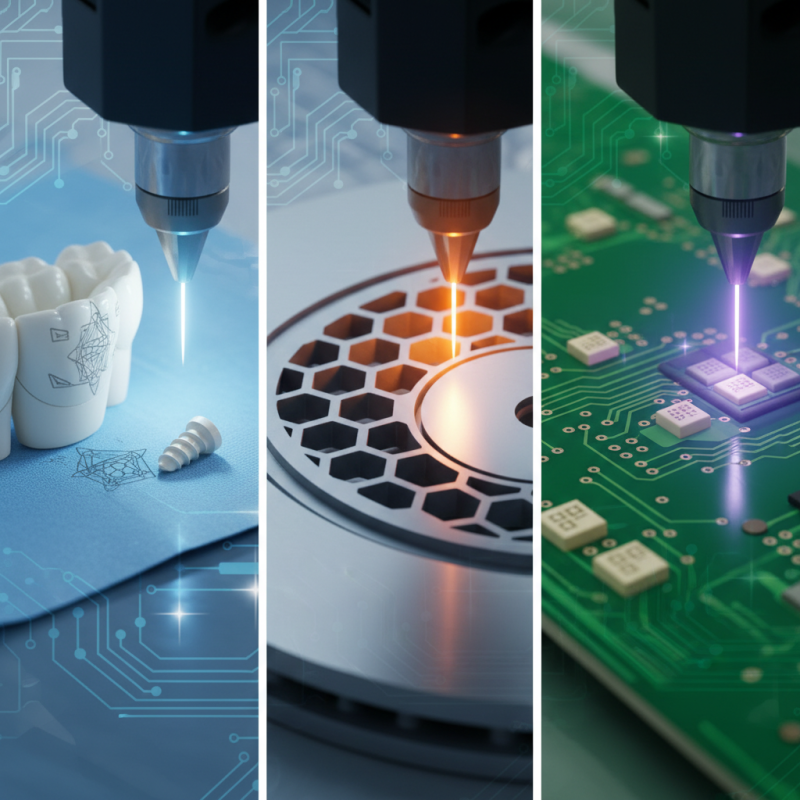
Industries Leveraging Ceramic Laser Processing for Advanced Applications
Ceramic laser processing is transforming various industries. It's widely used in the medical sector. Surgical instruments require precise materials. Laser processing helps achieve that accuracy.
Additionally, dental applications utilize ceramics extensively. These lasers create durable dental components.
In electronics, ceramic processing is key. It improves device performance. Laser technology prepares substrates for circuitry, enhancing efficiency. Aerospace and automotive industries also benefit. Lightweight ceramic materials reduce overall weight. This leads to better fuel efficiency.
Tip: When considering ceramic laser services, always evaluate the specific needs of your project. Each application may require unique adjustments.
Another vital area is the energy sector. Ceramics are essential for fuel cells and batteries. Laser processing enables intricate designs, improving energy production. Consider exploring new advancements regularly to stay competitive.
Tip: Stay informed about the latest trends in laser technology. Inquire how these advancements can elevate your manufacturing processes.
Aerospace Sector: Enhancing Durability with Ceramic Laser Technologies
The aerospace industry increasingly relies on ceramic laser processing technologies to enhance component durability. According to recent industry reports, the global aerospace ceramics market is anticipated to reach $1.12 billion by 2027. This growth underscores the importance of innovative materials in aircraft design and construction.
Ceramic laser processing provides significant advantages. It enables the creation of complex geometries that are often impossible with traditional methods. For instance, laser treatments can improve wear resistance and thermal stability, crucial for engine components. One study noted that laser-processed ceramic components exhibited 30% higher resistance to wear compared to their conventional counterparts.
However, challenges remain. The cost of laser processing equipment is a barrier for some manufacturers, particularly smaller firms. Training personnel to operate advanced laser systems also takes time and resources. Despite these obstacles, the potential benefits are substantial. Enhanced durability leads to longer component lifespans and improved safety, making the investment worthwhile. As the aerospace sector continues to evolve, ceramic laser processing will play a pivotal role in shaping its future.
Medical Devices: Precision Manufacturing Through Ceramic Laser Processing
Ceramic laser processing has become essential in the manufacturing of medical devices. This technology allows for precise cutting and shaping of ceramic materials, which are critical for various medical applications. The biocompatibility of ceramics makes them ideal for implants and surgical instruments. Laser processing ensures high accuracy, reducing the risk of errors during production.
Tips: Choose a service provider with experience in medical applications. The right expertise can enhance the quality and performance of your products.
In addition to precision, laser processing enables complex designs that would be challenging with traditional methods. Intricate patterns and features can be achieved, enhancing device functionality. As the medical field demands higher standards, ceramic laser processing fills this gap effectively.
Tips: Always test prototypes before full-scale production. This step can reveal potential flaws and improve the overall design.
While ceramic laser processing offers many advantages, it is not without challenges. The cost of equipment and the skill level required for operation can be significant barriers. Manufacturers must weigh these factors against the benefits to ensure a sound investment.
Electronics Industry: Utilizing Ceramic Lasers for High-Performance Components
The electronics industry is increasingly adopting ceramic laser processing. This technology plays a key role in producing high-performance components. Lightweight ceramics are essential for durability and efficiency. They enable the creation of sensitive electronic parts that withstand extreme conditions.
Tip: Consider the thermal properties of ceramics when designing components. Choosing the right materials can enhance performance.
Laser processing allows for precision in cutting and shaping these ceramics. Thin layers can be removed without affecting the integrity of the substrate. This process is critical for applications like circuit boards and electronic sensors, where accuracy is crucial. Mistakes in this phase can lead to costly redesigns.
Tip: Regularly assess your laser equipment. Keeping tools in optimal condition can improve the quality of the final product.
Ceramic laser technology offers innovative options for manufacturers. Understanding its benefits helps in making informed decisions. Embracing these techniques can pave the way for advancements in electronic components. However, there are still challenges to overcome. The learning curve can be steep for teams new to this technology. Collaboration and continuous education are vital for success.
Automotive Manufacturing: Improving Efficiency with Ceramic Laser Services
Ceramic laser processing is becoming vital in automotive manufacturing. This technology enhances the efficiency and functionality of components. Lasers can cut, engrave, and bond ceramic materials with precision. This results in stronger, lighter parts which contribute to fuel efficiency and improved performance.
Manufacturers appreciate the speed of ceramic laser services. Production timelines shorten, allowing quicker market entry. However, this technology is not without challenges. Operators need specialized training. Understanding laser parameters is crucial to avoid damaging materials. Ensuring consistent results can be tricky but necessary for quality assurance.
Tip: Prioritize proper training for your staff. Knowledgeable operators ensure smoother operations. Additionally, regular maintenance of laser equipment keeps processes efficient. Always monitor the outcomes closely to identify areas for improvement. Embrace feedback, as it helps refine production techniques and enhances overall efficiency.
What Industries Utilize Ceramic Laser Processing Services?
| Industry |
Application |
Benefits of Ceramic Laser Processing |
| Automotive Manufacturing |
Cutting and engraving of ceramic components |
Increased precision and reduced production time |
| Aerospace |
Manufacturing of turbine blades |
Enhanced durability and lightweight structures |
| Electronics |
Production of insulators and substrates |
Higher thermal stability and electrical performance |
| Medical Devices |
Fabrication of dental and orthopedic components |
Biocompatibility and precise fit |
| Energy |
Manufacturing of fuel cells |
Increased efficiency and durability |
Defense and Military Applications: Strengthening Materials with Laser Techniques
In recent years, defense and military sectors have increasingly adopted ceramic laser processing services. These technologies enhance materials used in various applications, from personal protective gear to sophisticated weapon systems. Laser techniques improve the durability of ceramics, making them more resistant to extreme conditions.
According to a report by MarketsandMarkets, the ceramic laser processing market is projected to reach USD 1.4 billion by 2026. This growth highlights the rising need for advanced materials. Laser processing allows for precise modifications, leading to ceramics that can withstand higher temperatures and impacts. It offers a reliable option for strengthening armor plates, which are critical in combat situations.
Despite these advancements, challenges remain. The high initial costs of laser equipment can deter smaller manufacturers. Moreover, there are concerns about the scalability of these techniques in mass production settings. Scientists and engineers continue to explore ways to optimize these processes, ensuring they meet the rigorous demands of military applications.
FAQS
: Ceramic laser processing helps create high-performance electronic components that are lightweight, durable, and efficient.
Considering thermal properties can enhance the performance of components in extreme conditions and improve overall reliability.
Laser processing allows for accurate cutting and shaping, removing thin layers without compromising the substrate’s integrity.
Errors can lead to costly redesigns, emphasizing the importance of precision in the manufacturing phase.
Regular maintenance and assessment of laser equipment can enhance production quality and efficiency.
The steep learning curve and high initial equipment costs can create hurdles for new adopters in both electronics and defense sectors.
The market is expected to reach USD 1.4 billion by 2026, driven by demand for advanced materials in various applications.
There are worries about the scalability of laser techniques for mass production while maintaining the required durability and performance.
Conclusion
Ceramic laser processing has emerged as a vital technology across various industries, enhancing the capabilities and performance of advanced applications. In the aerospace sector, ceramic laser technologies improve material durability, allowing for safer and more efficient flight. The medical devices industry benefits from precision manufacturing, ensuring that components meet stringent regulatory standards. Similarly, the electronics industry leverages ceramic lasers to produce high-performance components, while automotive manufacturing utilizes these services to boost efficiency and reliability.
Additionally, the defense and military sectors utilize ceramic laser processing to strengthen materials, providing critical enhancements needed for demanding environments. Overall, these diverse applications illustrate what industries use ceramic laser processing, highlighting its significance in driving innovation and performance in modern manufacturing processes.

 Stylo Laser