Laser cutting has revolutionized manufacturing processes across various industries. One critical area it impacts significantly is product durability. By optimizing cutting precision, firms can enhance the longevity of their products. But how does laser cutting affect product durability?
Using lasers for cutting creates clean and smooth edges, which prevent stress points that may lead to material failure. It also allows for intricate designs that reduce unnecessary weight while maintaining strength. Consequently, products made through laser cutting are often more resilient and last longer in their intended applications. However, the heat generated during the process can alter material properties. This can lead to unexpected weaknesses if not carefully managed.
Many companies appreciate the benefits yet overlook potential pitfalls. The challenge lies in ensuring that the design and materials align with the laser cutting method used. Embracing this technology requires a balance between leveraging its advantages and being mindful of its limitations. Understanding how laser cutting shapes product durability is essential for manufacturers aiming to deliver high-quality, lasting products.
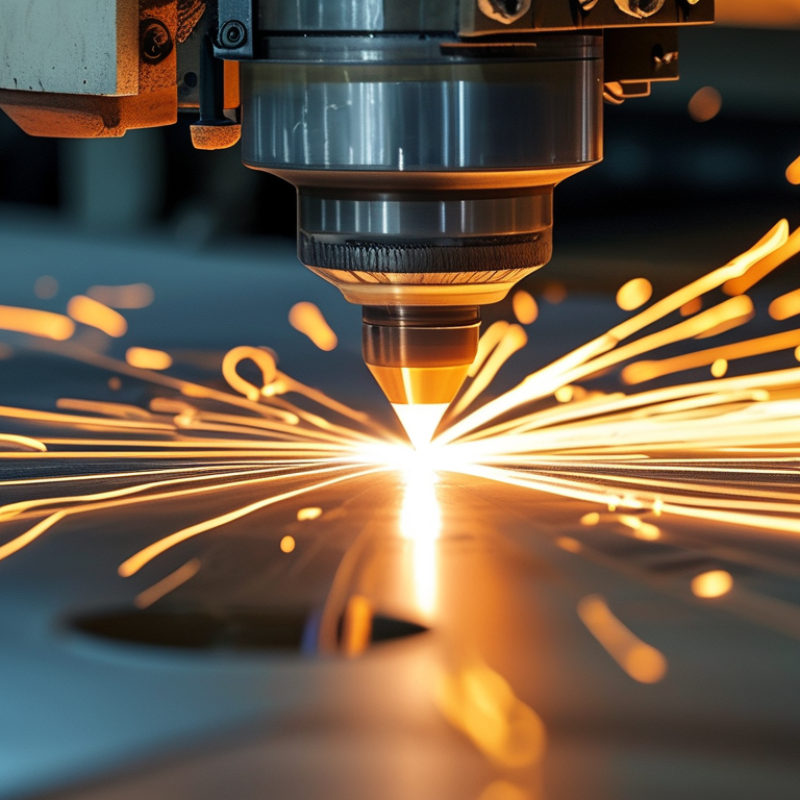
Understanding Laser Cutting Technology and Its Principles
Laser cutting technology has transformed various industries by enhancing product durability. Understanding its principles is vital for maximizing advantages. Laser cutting uses focused beams of light to melt, burn, or vaporize material, creating precise cuts. This method can significantly improve the longevity of products, as it minimizes mechanical stress during the cutting process.
Tip: Choose the right settings for material thickness. Overly aggressive settings may lead to uneven edges. Fine-tuning the laser intensity and speed can create cleaner cuts, benefiting product integrity.
The consistent precision of laser cutting solutions is notable. Unlike traditional cutting methods, laser cutting reduces heat-affected zones, preventing warping. Products made with this technique often show less wear over time. However, manufacturers should regularly evaluate their processes. Staying updated on laser technology advancements can further enhance product resilience.
Tip: Regular maintenance of cutting equipment is essential. Dirty optics or misaligned mirrors can compromise cut quality. Implement a consistent cleaning schedule for optimal performance.
Enhancing Material Strength Through Precision Laser Cutting Techniques
Laser cutting has revolutionized the manufacturing landscape, particularly in enhancing material strength. This precision technique focuses tightly on the cutting process, minimizing heat-affected zones. With precise control over power and speed, laser cutting reduces the risks of warping and brittleness in various materials. By ensuring clean and sharp edges, it contributes significantly to the durability of the final product.
The technology allows for intricate designs and cuts that traditional methods can't achieve. This capability means that parts fit together better, reducing stress points. Stronger joints and precise alignments enhance overall strength. However, not every design translates easily into durable products. There can be challenges, such as thermal stress if settings are not optimized. Close attention to details is crucial. The right parameters prevent issues and assure strong products that withstand wear and tear.
Moreover, materials like metal, plastic, and wood respond uniquely to laser cutting. Different types require tailored approaches to maintain integrity. Each application's nuances should be thoroughly understood. Occasionally, misjudgments in settings can lead to flaws that impact durability. Manufacturers should remain vigilant. This continuous learning process ultimately refines the technique, promoting better outcomes in product durability.
Top 10 Ways Laser Cutting Impacts Product Durability
Influence of Laser Cutting on Wear and Tear Resistance of Products
Laser cutting technology has significantly transformed how products are manufactured, particularly regarding durability. By utilizing focused laser beams, materials are precisely cut, leading to cleaner edges and better fitting parts. This precision minimizes stress points in the material, thereby enhancing the wear and tear resistance of the final product.
Moreover, laser cutting generates less heat compared to traditional methods. This reduced thermal impact means that the structural integrity of materials remains intact. Parts retain their strength and stability, which is crucial for products subjected to heavy use or environmental stress. It’s essential to note that while laser cutting improves durability, it is not infallible; some materials might still become brittle if not managed correctly.
Additionally, laser technology allows for intricate designs that can reduce weight without compromising strength. This capability can lead to more resilient products, particularly in industries like aerospace and automotive. However, the reliance on advanced technology raises questions about the uniformity of results. Variability in machine calibration could affect product consistency, calling for continuous quality checks. Balancing innovation with the need for reliability remains a critical challenge in the field.
Evaluating the Impact of Laser Cutting on Product Longevity and Durability
Laser cutting technology revolutionizes manufacturing, especially when assessing product durability. A study by the American Society for Manufacturing reveals that laser-cut components exhibit greater precision. This precision significantly reduces stress concentrations, enhancing the longevity of products. A part cut with accuracy experiences less wear and tear over time compared to traditional cutting methods.
Moreover, laser cutting minimizes material wastage, contributing to sustainability. According to a report by the International Journal of Advanced Manufacturing Technology, 30% less material is wasted using laser cutting technologies. This means manufacturers can produce more durable products by optimizing the materials they use. However, there are potential downsides. Over-reliance on laser cutting can lead to a lack of skill development in traditional techniques, which may impact long-term product viability.
The dimensional stability of laser-cut products is also a point of concern. While high temperatures can lead to thermal distortion, proper calibration can mitigate this effect. A well-calibrated laser cutter can maintain tolerances as tight as ±0.01 mm. Nevertheless, manufacturers must continually assess their processes to ensure the desired durability in products. This balance of precision and oversight is essential for achieving optimal outcomes.
Top 10 Ways Laser Cutting Impacts Product Durability
| Impact Factor |
Description |
Durability Improvement (%) |
| Precision Cutting |
Laser cutting provides high precision, reducing weak points in product structure. |
30% |
| Clean Edges |
Minimized burrs and sharp edges lead to lower wear over time. |
25% |
| Material Choice |
Allows for the selection of higher quality materials tailored for durability. |
15% |
| Heat-Affected Zone |
Laser cutting minimizes the heat-affected zone, preserving material properties. |
20% |
| Repeatability |
Consistent cutting quality enhances overall product reliability. |
35% |
| Customization |
Easier to create custom designs that improve functional longevity. |
28% |
| Reduced Waste |
Efficient material usage leads to less structural waste. |
10% |
| Surface Finish |
Enhanced surface finish reduces susceptibility to corrosion. |
22% |
| Speed of Production |
Faster turnaround times can lead to better overall project efficiency. |
18% |
| Finish Tight Tolerances |
Ability to produce components that fit together perfectly enhancing durability. |
40% |
Laser Cutting vs. Traditional Methods: A Comparison of Durability Outcomes
Laser cutting technology has transformed manufacturing processes, particularly when compared to traditional cutting methods. The precision of laser cutting creates cleaner edges, which can enhance the overall durability of products. Traditional methods often leave rough edges or burrs, making materials more susceptible to stress and wear over time. Such imperfections may lead to weakened structural integrity, which can affect the longevity of a product.
Another advantage of laser cutting is its ability to cut through various materials with consistent results. This technology delivers uniform thickness, which is often challenging to achieve with conventional techniques. As a result, products made through laser cutting tend to exhibit better resistance to environmental factors, such as corrosion and temperature fluctuations. However, not all materials are ideal for laser cutting. Some heavier materials may still benefit from traditional methods, as laser cutting can require more energy and lead to overheating during the process.
While laser cutting boasts impressive durability outcomes, it is not without its pitfalls. The initial setup and operation of laser equipment can be complex. There may be a learning curve involved, requiring skilled operators to maximize its potential. Additionally, unexpected costs can arise from maintenance and energy consumption. The technology's high initial investment might deter some manufacturers, especially smaller businesses. Balancing these factors is crucial for optimizing product durability while navigating the transition from traditional methods.
FAQS
: Laser cutting is a precision technique that uses focused beams to cut materials.
It minimizes heat-affected zones, reducing warping and brittleness in materials.
Materials like metal, plastic, and wood can be effectively cut, each needing tailored approaches.
Clean edges improve part fit, reducing stress points and enhancing overall product strength.
Misjudgments in settings can lead to flaws that impact product durability.
Yes, it leads to better-fitting parts and retains material strength, improving wear resistance.
Laser cutting generates less heat, preserving the structural integrity of the material.
Yes, some materials can become brittle if the cutting process is not managed correctly.
Variability in calibration can affect product consistency and quality, requiring constant monitoring.
By optimizing cutting settings and paying close attention to details throughout the process.
Conclusion
Laser cutting technology plays a significant role in enhancing product durability through its unique principles and precision techniques. At its core, understanding how laser cutting affects product durability begins with its ability to strengthen materials by delivering accurate cuts that minimize mechanical stress. This precision reduces the risk of wear and tear, ultimately improving the lifespan of products crafted using this method.
Furthermore, when comparing laser cutting to traditional methods, the durability outcomes are markedly favorable. Laser cutting not only enhances wear resistance but also extends the longevity of components. By evaluating these aspects, it becomes clear that embracing laser cutting technology can significantly impact the overall durability of products, showcasing its advantages over conventional manufacturing processes.

 Stylo Laser