The evolution of manufacturing techniques has led to a profound question: what makes laser cutting more precise than traditional cutting? In recent years, laser cutting technology has attracted significant attention. According to industry reports, laser cutting can achieve accuracy levels within ±0.002 inches. This is a stark contrast to traditional methods, which often have a tolerance of ±0.005 to ±0.015 inches.
Laser cutting utilizes a focused beam of light to slice through materials. This process causes less material distortion and reduces the need for extensive post-processing. The advanced technology results in cleaner edges and finer details. As a result, industries such as aerospace and automotive increasingly prefer laser cutting for critical components. However, the effectiveness of laser cutting can depend on various factors, including material type and thickness.
Despite its advantages, there are challenges. High initial costs for laser cutting machines can hinder small businesses from adopting this technology. Moreover, the complexity of laser settings requires skilled operators, which may limit its accessibility. Therefore, ongoing education in laser cutting technology is essential for maximizing its benefits. Understanding what makes laser cutting more precise than traditional cutting can pave the way for future advancements in manufacturing.
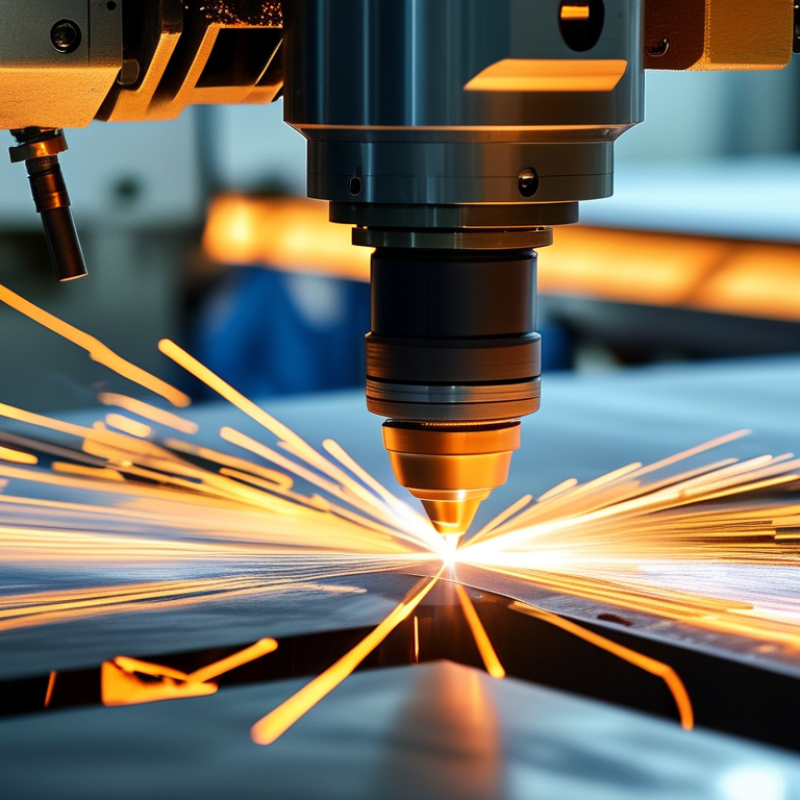
Laser cutting technology represents a significant advancement in precision manufacturing. Unlike traditional methods, which often rely on mechanical processes, laser cutting uses focused beams of light to cut materials. This process allows for extremely fine cuts, often within a fraction of a millimeter. The focused nature of the laser beam minimizes material wastage.
One of the key advantages is the adaptability of laser systems. They can cut a variety of materials, from metals to plastics. This flexibility enables a range of applications, from intricate designs in jewelry to precise automotive components. Yet, the technology is not without its challenges. Misalignment can occur, and the required calibration demands skilled operators.
Another aspect to consider is the heat-affected zone. While lasers create minimal heat compared to traditional cutting tools, some materials may warp depending on thickness and type. Understanding these nuances is critical for achieving optimal results. As with any technology, continuous learning and adaptation are essential.
Laser cutting offers impressive accuracy, but one must recognize its limitations and the need for constant evaluation in operational settings.
Laser cutting technology stands out for its unmatched precision compared to traditional methods. Traditional cutting techniques often rely on mechanical forces, leading to wear and tear. Over time, tools become less effective, causing inconsistencies in cuts. In contrast, laser cutting utilizes focused light beams, resulting in minimal physical contact and enhanced accuracy.
One significant aspect of laser cutting is its ability to handle intricate designs. The precision of lasers allows for complex shapes and detailed engravings that would be challenging with conventional tools. This method can achieve cuts as fine as 0.1 mm, reducing the margin for error. However, it's essential to acknowledge that not every material responds well to laser cutting. Some substances may warp or produce undesirable effects, highlighting the importance of selecting the right applications.
While laser cutting offers numerous benefits, it comes with its challenges. The initial investment in laser equipment can be high. Additionally, operator expertise is crucial to ensure optimal results. Without proper training, issues like uneven cuts can emerge, undermining the precision of the process. Overall, despite its advanced capabilities, ongoing refinement and testing are vital to fully leverage laser cutting's precision advantages.
Laser cutting stands out for its precision, largely due to the intrinsic properties of the laser beam used. The wavelength of laser light affects the cutting process significantly. Shorter wavelengths result in focused energy, enhancing cutting accuracy. According to a report by the International Journal of Advanced Manufacturing Technology, laser cutting can achieve tolerances of ±0.01 mm, much tighter than traditional methods like plasma or mechanical cutting. This level of precision is crucial in industries such as aerospace and automotive, where exact specifications are essential.
Moreover, the beam profile plays a vital role in the overall quality of the cut. A Gaussian beam profile delivers uniform energy distribution, minimizing the heat-affected zone and reducing distortion. Studies from the Laser Institute of America indicate that such profiles result in smoother edges and cleaner cuts. However, not all laser systems maintain this ideal beam shape consistently. Operators must regularly optimize settings to ensure high performance, as even slight deviations can introduce inaccuracies. This highlights the need for skilled technicians who can adjust parameters based on real-time feedback, a consideration that can influence production efficiency.
Laser cutting technology employs advanced control systems that enhance precision significantly compared to traditional methods. These systems enable fine adjustments during the cutting process. By utilizing computer numerical control (CNC), machines can follow complex designs with remarkable accuracy. This reduces errors and ensures high-quality cuts.
Operators can manipulate variables such as speed and power in real time. This adaptability is crucial when working with various materials. For example, aluminum may require different settings than wood. As a result, each cut can maintain uniform thickness and smooth edges.
Tips: Always calibrate your laser cutting machine before use. This ensures accuracy and extends the lifespan of your machinery. Additionally, familiarize yourself with the material specifications for optimal settings.
Precision is not guaranteed. Operators must constantly monitor the process. Even minor fluctuations in machine performance can lead to unwanted deviations. Understanding these challenges is essential for maintaining high standards in laser cutting.
| Feature | Laser Cutting | Traditional Cutting |
|---|---|---|
| Precision Level | ±0.1 mm | ±0.5 mm |
| Cutting Speed | Up to 3000 mm/min | Up to 1000 mm/min |
| Material Flexibility | Wide range (metals, plastics, wood) | Limited (mainly metals) |
| Edge Quality | Smooth, burr-free | Rough, may require finishing |
| Setup Time | Minimal | High, requires tooling changes |
| Operational Costs | Lower over time | Higher due to labor and waste |
Laser cutting technology has revolutionized manufacturing processes, particularly in terms of efficiency and waste reduction. Recent data suggests that laser cutting can operate at up to 80% efficiency, compared to traditional methods, which typically reach around 50-60%. This higher efficiency translates into less energy consumption and lower operational costs, making laser cutting a preferred choice for many industries.
Moreover, statistical reports indicate that laser cutting methods can reduce material waste by as much as 30% compared to conventional cutting techniques. The precision of laser beams ensures that materials are utilized more effectively. However, imperfections can occur in the process, such as misalignment or thermal distortion, which should be acknowledged and addressed to maximize efficiency.
In addition, laser cutting allows for intricate designs without the need for excessive material. This capability not only enhances design flexibility but also contributes to sustainability efforts in manufacturing. Not all designs transition smoothly, and certain materials may pose challenges. Understanding the limitations is crucial for optimizing laser cutting applications.
: Laser cutting offers unmatched precision, achieving cuts as fine as 0.1 mm.
Traditional methods rely on mechanical forces, which cause wear and tear that reduces effectiveness.
Yes, laser cutting can create complex shapes and detailed engravings that are challenging for conventional tools.
Laser cutting operates at up to 80% efficiency, significantly higher than the 50-60% of traditional methods.
Laser cutting can reduce material waste by up to 30% due to its precision in material usage.
Yes, high initial equipment costs and the need for trained operators can present challenges.
Improper training can lead to uneven cuts, compromising the overall precision of laser cutting.
No, some materials may warp or produce undesirable effects, highlighting the need for careful selection.
Yes, it enhances design flexibility and reduces material use, promoting sustainability in manufacturing processes.
Issues like misalignment or thermal distortion can occur, affecting the efficiency of the process.
Laser cutting technology offers significant advantages over traditional cutting methods, primarily due to its inherent precision. What makes laser cutting more precise than traditional cutting is its ability to focus a high-intensity laser beam on a small area, resulting in sharper cuts with minimal kerf width. The advanced control systems in laser cutting machinery enhance this precision by enabling fine-tuned adjustments and real-time monitoring during the cutting process.
In addition, the unique properties of the laser beam, such as its wavelength and focusability, directly impact cutting accuracy and the overall quality of the finished product. Statistical data also highlights the efficiency and waste reduction achieved through laser cutting, showcasing its superior ability to produce intricate designs while minimizing material loss. This combination of technological advancements and optimized processes positions laser cutting as a preferred method for applications requiring high precision and efficiency.

Stylo Laser