In today's manufacturing landscape, efficiency, precision, and adaptability are paramount. Many factories are exploring advanced technologies to enhance their operations. One crucial question arises: why do factories use laser cutting for electrical steel? The answer lies in numerous benefits that laser cutting offers. According to a report from MarketsandMarkets, the laser cutting market is expected to reach USD 5.59 billion by 2025, growing at a CAGR of 6.2%. This growth indicates a strong trend towards adopting this technology in various sectors, including electrical steel processing.
Laser cutting provides unmatched precision and flexibility. It allows for intricate designs and sharp edges, crucial for electrical components. A study by Research and Markets highlights that laser cutting reduces waste material by up to 30%, contributing to more sustainable manufacturing practices. This efficiency not only helps in reducing costs but also aligns with environmentally conscious production requirements. However, some challenges exist. Initial setup costs and technical expertise requirements can be barriers for smaller factories.
The increasing complexity of electrical products necessitates advanced manufacturing techniques. As companies strive for a competitive edge, understanding why laser cutting is preferred is essential. Factories that embrace this technology often see improved operational efficiency and product quality, solidifying their position in the market.
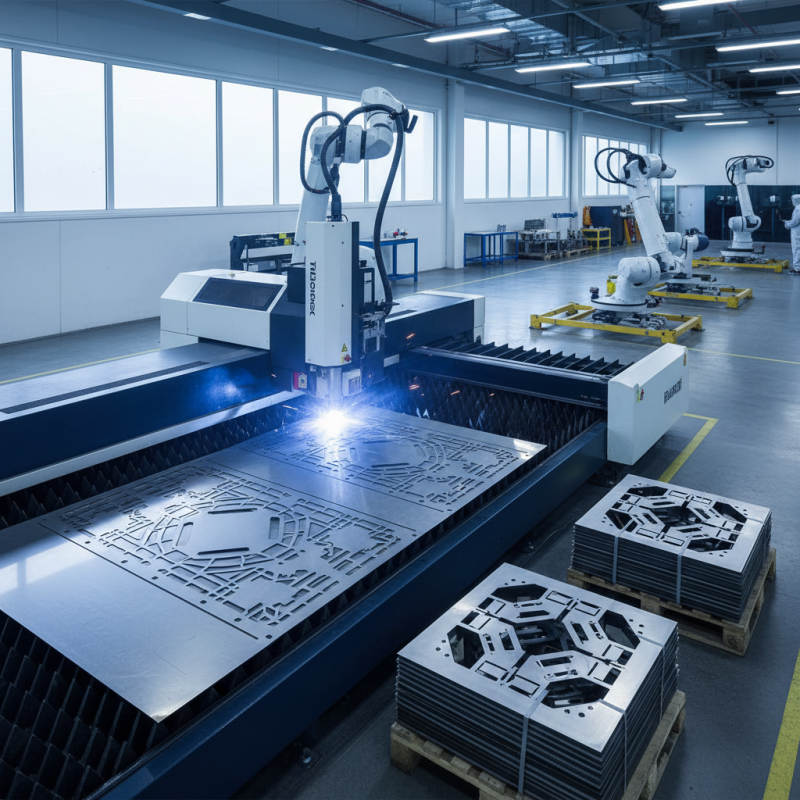
Laser cutting technology is gaining traction in the electrical steel sector for several compelling reasons. According to a report by the International Energy Agency, the demand for electrical steel is projected to grow by 20% by 2025. This escalation necessitates more efficient manufacturing techniques. Laser cutting allows for finer precision, reducing waste material significantly. In fact, it can achieve an accuracy of ±0.1 mm, which is crucial for intricate electrical components.
The flexibility of laser cutting systems offers another advantage. They can quickly adapt to various design changes without requiring extensive retooling. This leads to shorter lead times and the ability to accommodate small production runs. A study from a leading engineering journal notes that manufacturers have seen a 30% increase in productivity after adopting laser cutting. However, the initial investment in laser technology can be daunting, posing a barrier for some smaller factories.
Additionally, laser cutting enhances the quality of the finished product. It produces clean edges with minimal burr, which is vital for electrical applications. On the flip side, the technology requires skilled operators. The learning curve can be steep, leading to potential inefficiencies during the transition phase. Concerns over energy consumption also persist, as some laser systems can be less energy-efficient than traditional cutting methods. Thus, the rise of laser cutting in electrical steel production reflects both its benefits and the areas needing reevaluation.
| Reason | Description | Benefit |
|---|---|---|
| Precision Cutting | Laser cutting provides high accuracy in making intricate cuts required for electrical steel components. | Reduces waste and improves product quality. |
| Speed | Laser cutting is significantly faster than conventional methods, increasing production throughput. | Boosts overall efficiency and reduces lead times. |
| Minimal Heat Affected Zone | The laser's heat affects a very small area around the cut, preserving the material properties. | Ensures higher integrity of electrical steel. |
| Flexibility | Laser cutting can easily adapt to different designs and materials, allowing for customized solutions. | Enhances product variety and customization. |
| Reduced Tooling Costs | No need for physical cutting tools, which reduces maintenance and material costs. | Lower operational costs over time. |
| Complex Geometries | Laser cutting can create geometrically complex parts that traditional methods struggle with. | Enables innovative designs in electrical components. |
| Enhanced Safety | Laser cutting reduces the need for manual handling of sharp blades and tools. | Improves workplace safety for factory workers. |
| Consistency | Lasers provide consistent results with uniform quality across multiple parts. | Ensures compliance with strict quality standards. |
| Automation Ready | Laser cutting systems can be easily integrated into automated production lines. | Enhances production efficiency and reduces labor costs. |
| Sustainability | Laser cutting generates less waste compared to traditional methods. | Supports environmentally friendly manufacturing practices. |
: The demand for electrical steel is rapidly increasing, leading to a need for more efficient manufacturing techniques.
Laser cutting can achieve an accuracy of ±0.1 mm, which is important for complex electrical components.
Laser cutting enhances productivity and quality, leading to cleaner edges with minimal waste material.
It allows quick adjustments to designs without extensive retooling, accommodating varying customer requirements easily.
The technology requires skilled operators, and there can be a steep learning curve that may hinder efficiency initially.
Yes, some laser systems can be less energy-efficient than traditional cutting methods, raising sustainability questions.
It offers quick cutting speeds, enabling faster production and responsiveness to fluctuating demand in the market.
Not all materials behave the same; some may create heat-affected zones that compromise product integrity, requiring careful monitoring.
Factories need to balance speed with quality and continuously optimize laser settings for the best results.
Yes, the cost of laser technology can deter some smaller factories from adopting these advanced cutting methods.
In recent years, there has been a significant shift towards laser cutting in the manufacturing of electrical steel, and understanding why do factories use laser cutting for electrical steel reveals several compelling advantages. The precision and accuracy of laser cutting techniques allow for intricate designs that meet exact specifications, which is crucial in electrical applications. Additionally, this method offers cost efficiency by reducing material waste and minimizing production downtime, leading to economic benefits over traditional techniques.
Moreover, laser cutting is adaptable to various grades of electrical steel, making it a versatile choice for manufacturers. The speed of laser cutting operations enhances production flexibility, enabling factories to respond quickly to changing demands. Overall, these factors contribute to the rising popularity of laser cutting in the electrical steel sector, establishing it as a preferred manufacturing method.

 Stylo Laser