Why is Silicon Steel Crucial for Transformer Efficiency?

Time:2026-09-04 Author:Madeline
0%

In the realm of electrical engineering, one key component stands out: silicon steel. This material is essential in enhancing transformer efficiency. According to the International Energy Agency, transformers account for nearly 40% of energy loss in the electrical sector. Therefore, understanding why silicon steel is important in transformers is crucial for optimizing performance.

Silicon steel is designed to reduce hysteresis losses and improve magnetic properties. Research from the IEEE indicates that using silicon in steel can lead to energy savings of up to 15%. This is significant, especially in large-scale energy projects. Additionally, higher silicon content enhances the material’s electrical resistivity, thus further reducing energy losses.

However, challenges remain in achieving the ideal balance of silicon content and mechanical properties in transformer cores. Manufacturers often struggle with costs and material availability, impacting production quality. Reflecting on these issues highlights the continuing need for innovation and research in the field. As the industry evolves, the role of silicon steel becomes increasingly vital for energy efficiency and sustainability.
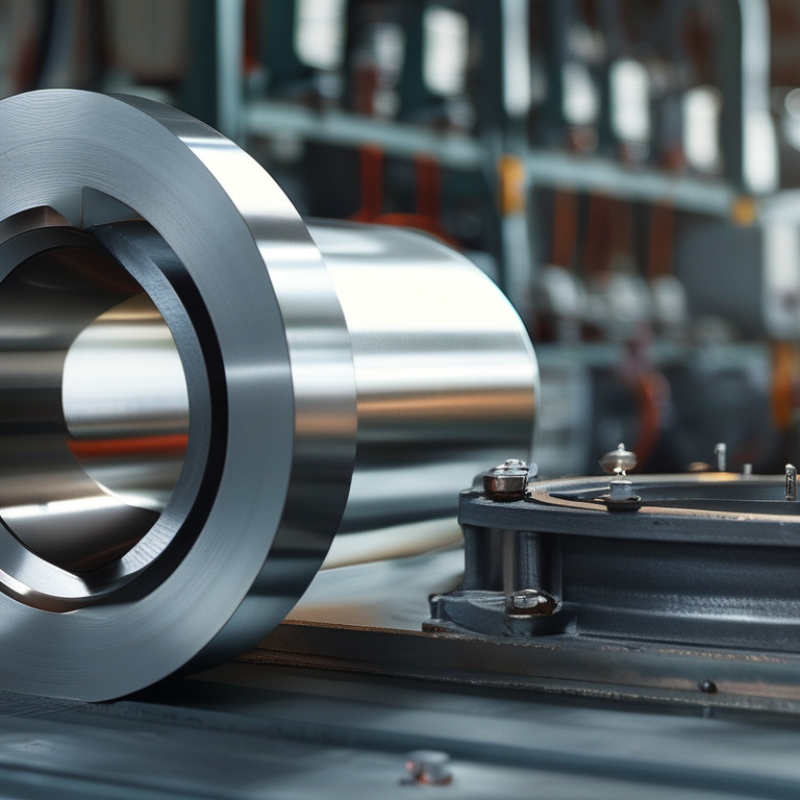
Why is Silicon Steel Crucial for Transformer Efficiency?

The Role of Silicon Steel in Transformer Design and Functionality

Silicon steel plays a pivotal role in transformer design and functionality. This specialized steel alloy improves the magnetic properties of transformers, leading to enhanced efficiency. According to industry reports, transformers made with high-silicon content can reduce energy losses by up to 30%. This is significant, especially as the demand for energy-efficient solutions continues to rise.

The design of silicon steel involves a careful balance of elements. Manufacturers adjust silicon levels to optimize magnetic permeability. An increase in silicon content can decrease core losses, yet it also introduces challenges. Higher silicon content may lead to brittleness in the material, which can complicate manufacturing processes. Careful quality control is crucial to ensure consistent performance.

In transformer applications, silicon steel enhances core design, reducing heat generation and increasing longevity. This allows transformers to operate more efficiently under varying loads. However, challenges remain. The cost of high-quality silicon steel can be a barrier for some manufacturers. As the market evolves, improved recycling methods and alternative materials may offer potential solutions. Addressing these challenges is essential for the future of transformer technology.

Understanding the Magnetic Properties of Silicon Steel

Silicon steel plays a vital role in transformer efficiency due to its unique magnetic properties. This material, alloyed with silicon, enhances electrical conductivity while reducing energy losses. The magnetic permeability of silicon steel allows for better magnetization. This helps transformers operate at optimal levels with minimal energy waste.

To understand its effectiveness, consider hysteresis loss, the energy lost as heat when the magnetic material alternates. Silicon steel significantly lowers this loss. Its fine grain structure also increases the magnetic saturation point. This means that transformers can handle more power without overheating or losing efficiency.

Tips for selecting silicon steel often include examining its silicon content. Higher silicon levels typically yield better performance. Look for specific grades that match transformer requirements. It's crucial to consider the application and environmental factors. Reflect on how these decisions impact long-term reliability. Balancing cost and performance is essential. Generally, a thorough evaluation leads to better outcomes.

Impact of Silicon Content on Transformer Efficiency

Silicon content plays a pivotal role in enhancing the efficiency of electrical transformers. Research shows that increasing silicon levels in transformer steel can reduce core losses significantly. For example, a study by the Electric Power Research Institute indicates that transformer cores with 3% silicon exhibit up to 30% lower hysteresis losses compared to conventional materials. This reduction in energy loss translates directly to improved overall performance.

Transformers primarily operate based on magnetic flux. Silicon steel enhances magnetic permeability, which leads to better energy transfer and lower operational temperatures. For instance, core laminations with 6.5% silicon provide superior magnetic qualities, making them ideal for high-efficiency transformers. However, this increase in silicon also poses challenges. Excessively high silicon levels can lead to brittleness, making the material difficult to work with during manufacturing.

In practice, achieving the right balance of silicon content is a nuanced task. While higher silicon levels generally lead to enhanced performance, manufacturers must monitor the impact on mechanical properties. Industry standards often advocate for specific silicon percentages to maintain a balance between efficiency and durability. Ongoing advancements need to address the trade-offs inherent in the silicon concentration within transformer cores.

Comparative Analysis: Silicon Steel vs. Other Materials

Silicon steel is essential for transformer efficiency due to its unique magnetic properties. Unlike other materials, silicon steel minimizes energy loss during magnetic flux changes. According to a report by the International Energy Agency, using silicon steel in transformers can reduce energy losses by up to 30%. This is a significant improvement over traditional materials, such as carbon steel, which have higher hysteresis losses and lower magnetic permeability.

The comparison between silicon steel and other materials highlights crucial performance differences. While silicon steel boasts a high silicon content—often between 3% to 6%—traditional materials lack this alloying element. This results in enhanced electrical resistivity and reduced eddy current losses. A study from the Electric Power Research Institute indicates that silicon steel can achieve a core loss reduction of about 50% compared to conventional steel. Such differences can lead to substantial energy savings and improved efficiency for electrical grids.

Despite its advantages, silicon steel production is resource-intensive. Manufacturing involves intricate processing techniques, which may lead to increased costs. Moreover, while silicon steel is more efficient, it may not be the best fit for all applications, especially where cost is a primary concern. Some industries could benefit from revisiting their material choices to balance efficiency and expenditure effectively.

Future Innovations in Silicon Steel for Enhanced Transformer Performance

Transformers play a pivotal role in electrical systems, and silicon steel is a key component for improving their efficiency. Innovations in silicon steel technology are essential for meeting the increasing demand for energy efficiency. New methods in processing and alloying can create better magnetic properties, which minimize losses during energy transfer. This advancement directly impacts the performance of transformers, leading to reduced operational costs.

Research into thin silicon steel laminations is gaining traction. These laminations help reduce eddy current losses, enhancing overall efficiency. However, challenges remain in balancing cost and performance. Manufacturers are exploring alternative materials that can mimic or improve upon the magnetic qualities of traditional silicon steel. Innovations must ensure durability while seeking to lower production costs.

Real-world testing has shown that improvements in silicon steel yield significant energy savings. Yet, many designs still struggle with heat management. Continued exploration in coolant technologies could complement these advancements. It's clear that smarter silicon steel solutions are essential for the future of transformers. The pursuit of excellence in this area reflects the industry's commitment to environmental sustainability and better energy consumption.

FAQS

: What is the primary role of silicon steel in transformers?

: Silicon steel improves magnetic properties and enhances transformer efficiency. It can reduce energy losses significantly.

How does silicon content affect transformer performance?

Higher silicon levels enhance magnetic permeability. However, they can lead to brittleness, complicating manufacturing processes.

What challenges do manufacturers face with silicon steel?

High-quality silicon steel can be costly. Brittleness and quality control are also challenges in production and performance.

How does silicon steel impact heat generation in transformers?

It reduces heat generation and increases longevity, enabling efficient operation under variable loads.

What is hysteresis loss, and how does silicon steel help?

Hysteresis loss is energy lost as heat when magnetizing materials. Silicon steel significantly lowers this loss.

What should be considered when selecting silicon steel?

Examine silicon content and specific grades. Consider performance, application, and environmental factors for long-term reliability.

Why is quality control critical in silicon steel production?

Consistent quality ensures reliable transformer performance. Variability can lead to failures or inefficiencies.

Are there potential alternatives to silicon steel?

Yes, improved recycling methods and alternative materials are being explored to address challenges in transformer technology.

How does grain structure influence silicon steel performance?

A fine grain structure increases the magnetic saturation point, allowing transformers to handle more power effectively.

How can balancing cost and performance impact transformer design?

Careful evaluation of cost versus performance can lead to better reliability, though it might complicate decision-making.

Conclusion

Silicon steel plays a pivotal role in transformer design and functionality due to its superior magnetic properties, which significantly enhance transformer efficiency. Understanding the magnetic characteristics of silicon steel reveals why is silicon steel important in transformers; it minimizes energy losses during operation, ensuring optimal performance. The silicon content within the steel directly influences these magnetic properties, leading to improved efficiency and reduced operational costs.

A comparative analysis of silicon steel against other materials further underscores its advantages in transformer applications. Innovations in silicon steel technology promise future enhancements in performance, potentially leading to even greater efficiency and sustainability in electrical systems. As the demand for energy-efficient transformers grows, the role of silicon steel becomes increasingly critical in meeting these challenges.

Madeline

Madeline

Madeline is a dedicated marketing professional with a wealth of expertise in our company's core offerings. With a keen understanding of the industry, she brings a unique perspective to her role, consistently delivering high-quality content that highlights the superior aspects of our products. As......