In the realm of electrical engineering, the efficiency of transformers significantly hinges on materials used during manufacturing. One critical aspect is silicon steel cutting. But how does silicon steel cutting affect transformer efficiency? Dr. Emily Chen, a leading expert in electrical materials, states, "Precision in cutting silicon steel directly influences the performance of transformers."
Transformers are vital components in power distribution. Their efficiency determines energy loss and overall effectiveness. The quality of silicon steel cuts impacts magnetic properties. Poor cuts can lead to increased losses and decreased performance. Effective cutting techniques enhance the magnetic flux and reduce eddy currents. However, achieving this precision is a constant challenge for manufacturers.
Moreover, the conversation around silicon steel cutting should evolve. Innovations in cutting technologies present both opportunities and obstacles. While advancements can improve efficiency, they also require careful implementation. Balancing cost and quality in silicon steel cutting remains a critical point of reflection. The industry must assess how far they have come and where they need to go. As we explore the top ten ways in which silicon steel cutting impacts transformer efficiency, a deeper understanding emerges.
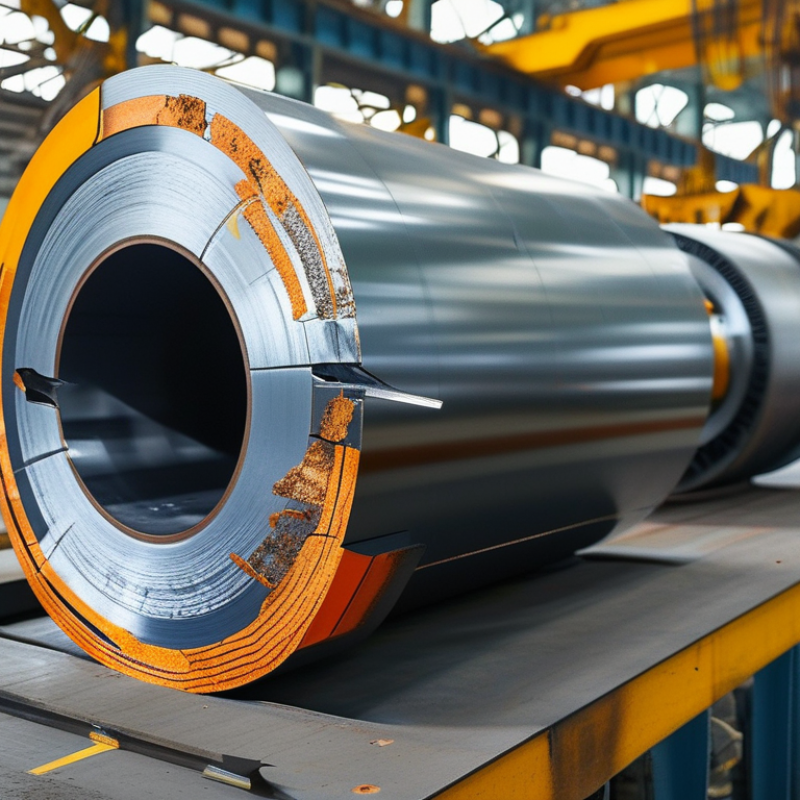
Transformers play a crucial role in electrical systems, and their efficiency relies heavily on the materials used in their construction. Silicon steel is a common choice due to its excellent magnetic properties. The process of cutting silicon steel can significantly affect these properties. Precision in cutting is essential. Any misalignment can lead to inefficiencies.
When silicon steel is cut, its edges may experience changes in magnetic permeability. This can create losses in magnetic flux, affecting overall transformer performance. Sharp edges that are not properly treated can lead to increased eddy current losses. These losses are often underestimated but can result in notable drops in efficiency over time.
Moreover, the thickness of the cuts matters. Thinner cuts may reduce losses but can also compromise structural integrity. Finding the right balance is critical. Each method of cutting brings different challenges, and the choice of technique can influence the longevity of the transformer. Even small deviations can lead to bigger issues later on. This ongoing quest for optimization highlights the importance of continuous improvement in manufacturing processes.
| Impact Factor | Description | Impact on Efficiency (%) |
|---|---|---|
| Core Loss Reduction | Optimized cutting minimizes eddy current losses. | 10% |
| Magnetic Flux Optimization | Improved cutting techniques enhance magnetic permeability. | 8% |
| Weight Reduction | Efficient cutting can lead to lighter transformer cores. | 5% |
| Heat Generation | Lower losses translate to reduced heat generation. | 6% |
| Mechanical Tension | Precise cutting reduces mechanical stress on materials. | 4% |
| Noise Reduction | Better cuts lead to lower operational noise levels. | 3% |
| Cut Precision | High precision cuts contribute to overall efficiency. | 7% |
| Surface Quality | Improved surface finishes enhance magnetic performance. | 9% |
| Join Efficiency | Better cuts allow for more effective lamination joins. | 5% |
| Sustainability Impact | Efficient use of materials leads to reduced waste. | 2% |
: Grain orientation affects how magnetic fields interact with steel. Aligned grains can reduce energy losses significantly.
Transformers with oriented silicon steel can be up to 20% more efficient compared to those without optimal orientation.
Not all processes ensure optimal grain orientation. Variations in steel quality can impact transformer performance significantly.
Thinner steel sheets can reduce eddy currents. However, they might lack the mechanical strength if not made properly.
Cutting precision is crucial. Small variations can lead to significant changes in magnetic properties and core losses.
Optimal cutting can reduce core losses by up to 20%, improving energy efficiency in transformers.
Details matter, as variations can lead to changes in magnetic flux and energy losses in transformers.
Engineers often face trade-offs between efficiency and material strength, requiring careful considerations in their designs.
Modeling software can simulate cutting effects, helping visualize performance impacts without conducting physical tests.
A simplistic view may ignore nuanced details that significantly affect efficiency, so a comprehensive strategy is essential.
The article explores how silicon steel cutting affects transformer efficiency through several critical factors. First, the impact of silicon steel cutting on transformer magnetic characteristics is highlighted, emphasizing that precise cutting techniques can enhance magnetic performance and reduce energy losses. The correlation between cutting quality and transformer efficiency ratings is analyzed, showing that superior cutting methods lead to improved efficiency outcomes.
Furthermore, the effects of grain orientation in silicon steel are discussed, revealing that optimal grain arrangements can significantly reduce energy losses during operation. The article also addresses how cutting dimensions influence overall transformer performance, indicating that accuracy in these measurements is vital for efficiency. Lastly, it examines the role of advanced cutting techniques in extending transformer lifespan, ultimately underscoring the importance of understanding how does silicon steel cutting affect transformer efficiency in modern electrical applications.

 Stylo Laser