Fiber lasers have revolutionized the field of metal processing, raising the question: why is fiber laser widely used in metal processing? Many industries, from automotive to aerospace, benefit from its precision and efficiency. Fiber lasers offer superior cutting capabilities, producing clean edges on various metal types. They excel in both thin and thick materials, making them versatile tools.
The technology behind fiber lasers leads to faster production times. This efficiency translates into reduced operational costs and improved productivity. Furthermore, fiber lasers are known for their reliability and low maintenance needs. Users appreciate the long lifespan and consistent performance, which enhances operational workflows. However, it’s important to acknowledge some challenges, such as initial investment costs.
Understanding the reasons behind the popularity of fiber lasers can help industries make informed decisions. By weighing benefits against potential drawbacks, companies can determine if this technology is the right fit for their metal processing needs.
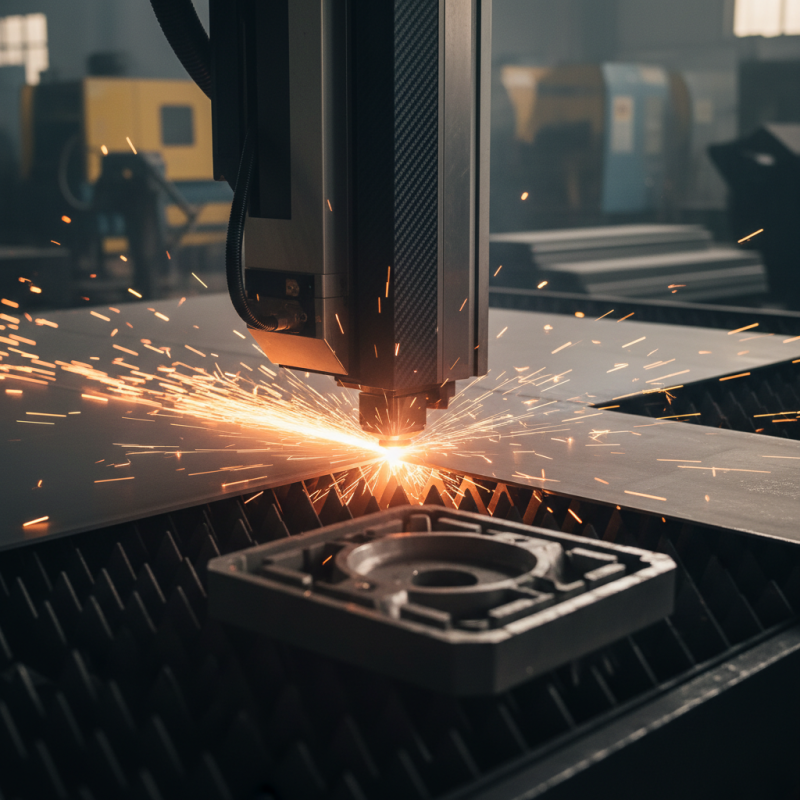
Understanding Fiber Lasers: The Technology Behind Metal Processing
Fiber lasers have transformed metal processing techniques due to their efficiency and precision. The focus of this technology lies in its ability to produce intense and concentrated beams of light. This results in faster cutting speeds compared to traditional methods. Industry reports indicate fiber lasers can achieve cutting speeds of up to 100 inches per minute on stainless steel, significantly reducing production time.
The technology utilizes solid-state components, making it more reliable and requiring less maintenance. A study from MetalForming Magazine shows a 45% increase in production efficiency using fiber lasers. These lasers can also process a variety of metals, from aluminum to titanium, which adds to their versatility. However, there is still room for improvement in optimizing settings for different materials.
Energy efficiency is another advantage with fiber lasers. They consume less electricity, leading to lower operational costs. A report from the Laser Institute of America notes that fiber lasers typically use 40% less energy than CO2 lasers. This change can lead to a significant reduction in greenhouse gas emissions over time. As industries move toward more sustainable practices, this aspect becomes increasingly vital.
Enhanced Precision: How Fiber Lasers Improve Cutting Accuracy
Fiber lasers have revolutionized the metal processing industry with their unmatched precision. A study from the Laser Institute of America indicates that fiber lasers can achieve cutting tolerances of up to ±0.01 mm. This level of accuracy is critical in applications such as aerospace and automotive manufacturing, where even minor deviations can lead to significant issues.
The unique properties of fiber lasers contribute to this enhanced precision. Their short wavelength allows for a focused beam, resulting in cleaner and more accurate cuts. Additionally, research from the International Journal of Advanced Manufacturing Technology shows that fiber lasers can maintain beam quality over longer distances. This characteristic is crucial for large-scale projects where precision must be preserved from start to finish.
However, achieving the highest level of precision is not without challenges. Factors such as material thickness and reflectivity can influence cutting accuracy. In some cases, adjustment and calibration may be necessary for optimal performance. It is essential for operators to remain mindful of these variables to truly capitalize on the benefits of fiber laser technology.
Speed and Efficiency: The Advantages of Fiber Lasers in Production
Fiber lasers have revolutionized metal processing with their superior speed and efficiency. According to a recent report from the Laser Institute of America, fiber lasers can cut materials up to three times faster than traditional CO2 lasers. This significant increase in speed contributes to shorter production cycles, which is crucial in high-demand environments. The reduced cutting time directly correlates with productivity gains, allowing manufacturers to respond swiftly to market needs.
Moreover, fiber lasers are known for their energy efficiency. A study indicates that these lasers consume 30% less power than their CO2 counterparts. This efficiency not only lowers operating costs but also reduces the carbon footprint of manufacturing processes. It's an essential consideration for companies looking to enhance their sustainability practices. However, while the advantages are clear, investment costs can be a barrier for some manufacturers. The initial capital for fiber laser technology may require long-term strategic planning.
In addition to speed and energy savings, fiber lasers produce high-quality cuts with minimal waste. Industry data shows that this technology achieves a higher precision rate, leading to fewer errors and reworks. This can reduce material costs significantly. Yet, companies must still ensure adequate training for their workforce to utilize this technology effectively. The transition can be challenging, but the potential benefits hold promise for future advancements in metal processing.
Versatility in Materials: Fiber Lasers' Capability with Different Metals
Fiber lasers stand out in metal processing due to their exceptional versatility with various materials. Their ability to cut, engrave, and mark different types of metals makes them a valuable tool in many industries. Steel, aluminum, brass, and titanium can be processed with precision. Each metal has unique properties, and fiber lasers adapt to these differences well, delivering quality results.
For beginners, understanding your materials is essential. Different metals require different settings for optimal results. Too much power can burn aluminum, while too little might not cut through steel effectively. Experimenting with settings is key. Regularly reviewing your results will help you identify the best practices.
Another important consideration is the thickness of the materials. Fiber lasers excel at cutting thin sheets but can face challenges with thicker metal. It's sometimes necessary to adjust the speed and power settings based on the material's thickness. Documenting these adjustments can build a useful reference for future projects. By learning through experimentation, you can perfect your process and achieve that desired finish.
Cost-Effectiveness: Long-Term Savings with Fiber Laser Technology
Fiber laser technology continues to revolutionize the metal processing industry, particularly when it comes to cost-effectiveness. This innovation offers significant long-term savings. According to industry reports, fiber lasers consume up to 30% less energy compared to traditional systems. This translates to lower operational costs and reduced energy bills, making them appealing for both small and large enterprises.
Furthermore, fiber lasers have a longer lifespan. Studies suggest they can last up to 100,000 hours, which is significantly higher than the lifespan of CO2 lasers. This durability cuts down replacement and maintenance costs, benefiting overall budget efficiency. However, businesses need to consider initial investment costs. While fiber lasers may have a higher upfront expense, the long-term savings on energy and maintenance often outweigh this initial outlay.
**Tips:**
Investing in fiber laser technology can yield substantial savings. Businesses should conduct a thorough analysis of total cost ownership over time. Additionally, consider integrating fiber lasers into existing workflows to maximize their financial benefits. A strategic approach can lead to enhanced productivity and efficiency.
FAQS
: Fiber lasers offer superior speed and efficiency, enhancing production cycles in demanding environments.
They can cut materials up to three times faster than CO2 lasers.
Reports indicate a 45% increase in efficiency, leading to shorter production times.
Yes, they consume about 30-40% less energy than CO2 lasers.
They can work with various metals, including aluminum and titanium, showcasing their versatility.
Yes, proper training is vital for maximizing the benefits of this technology.
High upfront costs may deter some companies from transitioning to fiber laser technology.
They create high-quality cuts, minimizing waste and potentially lowering material costs.
Their lower energy consumption helps reduce greenhouse gas emissions, aligning with sustainable practices.
Yes, optimizing settings for different materials remains an area that needs further development.
Conclusion
Fiber lasers have become the go-to technology in metal processing for several reasons. Understanding the core technology reveals that fiber lasers produce a highly focused and intense beam, which significantly enhances cutting precision. This increased accuracy is vital for intricate designs and tight tolerances, making them ideal for various applications in the metal industry.
Moreover, the speed and efficiency of fiber lasers contribute to their popularity, as they can process materials quickly, reducing production times and increasing output. They are versatile, capable of handling a wide range of metals, including steel, aluminum, and brass, which broadens their usability across different sectors. Lastly, the cost-effectiveness of fiber laser technology leads to long-term savings due to lower operational costs and minimal maintenance, answering the question of why fiber laser is widely used in metal processing.

 Stylo Laser