Top 5 Reasons Why Laser Cutting is Ideal for Ceramics?

Time:2026-07-16 Author:Charlotte
0%

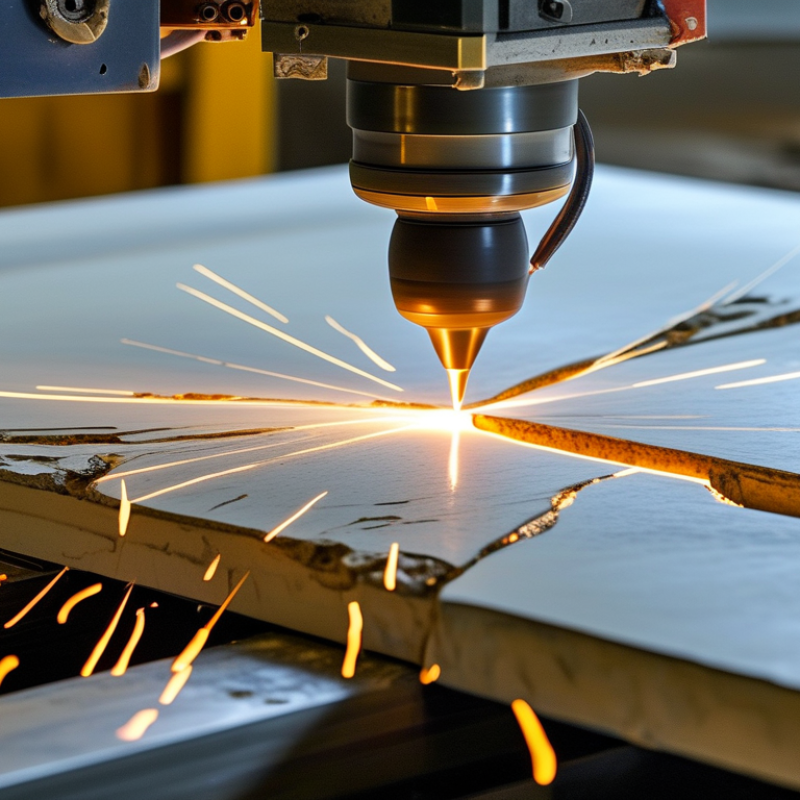
Laser cutting has become a favored method for shaping ceramic materials. The precision and efficiency it offers are remarkable. But why is laser cutting used for ceramic materials? This question is pivotal in understanding the advantages it presents over traditional cutting methods.

Ceramics are hard and brittle. Traditional cutting techniques may lead to cracks or uneven edges. Laser cutting, however, provides a clean and accurate finish. The heat generated by the laser allows for smooth cuts that preserve the integrity of the material. This process minimizes waste, making it more resource-efficient.

Moreover, laser cutting can handle intricate designs that are difficult to achieve otherwise. This capability opens up new avenues for creativity in ceramic applications. Businesses in art and manufacturing benefit significantly from this technology. Yet, it is important to reflect on the initial costs and the need for specialized equipment. Despite these challenges, the overall advantages strongly favor using laser cutting for ceramics.
Top 5 Reasons Why Laser Cutting is Ideal for Ceramics?

Advantages of Laser Cutting in Ceramics Manufacturing

Laser cutting has become a transformative technology in ceramics manufacturing, offering unique advantages. The precision of laser cutting allows for intricate designs and patterns that traditional methods struggle to achieve. A study revealed that laser cutting can reduce material wastage by over 30%, making it a more sustainable choice for manufacturers. This efficiency not only conserves resources but also lowers production costs.

Another key advantage lies in the speed of the process. Reports indicate that laser cutting can complete intricate tasks up to five times faster than conventional cutting methods. This efficiency can significantly shorten lead times, resulting in faster product delivery. However, adapting to this technology requires training and investment, which some companies might hesitate to embrace.

Additionally, the versatility of laser cutting is noteworthy. It can handle different ceramic materials seamlessly, from porcelain to stoneware. This capability allows manufacturers to diversify their offerings. But there is a learning curve associated with adjusting settings for various materials, which can lead to inconsistencies if not managed properly. This requires ongoing training and quality checks to maintain standards.

Precision and Detail: How Laser Cutting Enhances Designs

Laser cutting technology has transformed the ceramics industry by offering unmatched precision and detail. According to a report from the International Journal of Advanced Manufacturing Technology, laser cutting reduces the kerf width, allowing intricate designs to be realized without significant material waste. This means that artists and manufacturers can achieve complex shapes and delicate patterns that would be challenging with traditional cutting methods.

The ability of laser cutting to enhance designs is notable. It allows for customization at a scale not previously possible. Studies indicate that processes like CO2 laser cutting can achieve tolerances of up to ±0.1 mm. This high level of accuracy is essential for creating decorative ceramics that require fine detailing. However, challenges do exist. Different ceramic materials may respond unpredictably to laser settings, leading to variations in quality.

Errors can arise, such as cracking or thermal stress if the power settings aren't optimized. This necessitates a deeper understanding of materials and laser interaction. More research is essential for refining these techniques to ensure consistent results across different types of ceramics. Visiting industry forums reveals mixed experiences, emphasizing the importance of experimentation and adaptation.

Top 5 Reasons Why Laser Cutting is Ideal for Ceramics

Versatility of Laser Cutting Across Various Ceramic Types

Laser cutting offers remarkable versatility for various types of ceramics. Whether you are working with porcelain, stoneware, or earthenware, laser technology adapts seamlessly to different materials. This adaptability enables precise cuts and intricate designs that would be challenging to achieve with traditional methods. The ability to adjust power levels and cutting speeds allows customization for each ceramic type.

The precision of laser cutting is particularly beneficial for creating complex shapes. Artisans can design intricate patterns that reflect unique artistic visions. However, there can be challenges, such as managing heat sensitivity in certain ceramics. Overheating can lead to cracks or warping if not monitored carefully. The learning curve may necessitate experimentation with settings to perfect the process.

Moreover, laser cutting reduces waste by offering more accurate cuts compared to mechanical methods. This efficiency not only saves material but also enhances sustainability in ceramic production. Yet, it also creates a need for ongoing evaluation of best practices. Understanding the characteristics of each ceramic type ensures success in laser applications, making it essential to stay informed about advancements in technology and techniques.

Efficiency and Cost-Effectiveness in Production Processes

Laser cutting technology has transformed the way ceramics are produced. Achieving high efficiency and cost-effectiveness is crucial for manufacturers. This technology allows for precision in cutting intricate shapes. The process is fast, minimizing downtime in production. As a result, companies can increase their output without sacrificing quality.

Utilizing laser cutting reduces waste significantly. Traditional methods often lead to excess material discarded during the cutting process. In contrast, lasers can create cleaner cuts, which conserves resources. Additionally, the initial investment can be recovered quickly due to lower operational costs. However, transitioning to this technology may require staff training and adjustments in workflow.

The flexibility of laser cutting boosts creativity in design. Artists and engineers can experiment with complex patterns and textures. While the learning curve exists, the long-term benefits outweigh initial challenges. It's essential to consider both pros and cons during implementation. Balancing efficiency with quality remains a key focus for manufacturers in the ceramics industry.

Safety and Cleanliness: Benefits of Laser Cutting Techniques

Laser cutting has gained immense popularity in the ceramics industry. One significant benefit is safety. Traditional cutting methods often generate hazardous dust particles, posing health risks to workers. In contrast, laser cutting produces minimal waste. It operates cleanly and efficiently, reducing exposure to harmful substances.

Cleanliness is another crucial aspect of laser cutting. The precision of lasers allows for smooth cuts without creating debris. This means less cleanup is required after production. Fewer contaminants in the workspace enhance air quality. A clean environment is vital for maintaining both safety and productivity.

Adopting laser cutting techniques can lead to reflections on practices. It’s important to consider whether existing methods are truly effective. As industries evolve, exploring options like laser cutting could provide better outcomes. A shift in approach might challenge traditional norms but also yield improved safety and cleanliness in ceramic processing.

FAQS

: What are the main benefits of laser cutting in ceramics manufacturing?

: Laser cutting provides precision, reduces material waste, and enhances production speed.

How much material waste can laser cutting reduce?

Studies show that laser cutting can reduce waste by over 30%.

Why is speed important in laser cutting?

Laser cutting can complete tasks up to five times faster than traditional methods, shortening lead times.

What types of ceramics can laser cutting handle?

Laser technology works effectively with porcelain, stoneware, and earthenware.

What challenges come with using laser cutting technology?

Users may face issues with heat sensitivity, requiring careful temperature management to avoid damage.

How does laser cutting enhance design capabilities?

It allows for intricate designs and high tolerance levels, achieving detailed artwork previously difficult to create.

Are there variations in quality when using laser cutting?

Yes, different ceramic materials may respond unpredictably to laser settings, leading to potential inconsistencies.

What does adapting to laser cutting technology involve?

Investment and training are required, which some companies may find challenging to implement.

How can ongoing assessment improve laser cutting processes?

Regular evaluation of techniques helps maintain quality and introduces better practices for different ceramic types.

What should artisans be aware of when using laser cutting?

There's a learning curve, and experimentation is needed to optimize settings for various ceramics and avoid errors.

Conclusion

Laser cutting has emerged as an ideal technique for ceramics manufacturing due to several compelling reasons. One of the primary advantages is the precision and detail it offers, allowing for intricate designs that are often difficult to achieve with traditional methods. This precision enhances the overall aesthetic and functional quality of ceramic products. Additionally, the versatility of laser cutting enables it to be effectively applied across a variety of ceramic types, further expanding its application in the industry.

Efficiency and cost-effectiveness are also significant benefits, as laser cutting streamlines production processes, reducing material waste and operational costs. Moreover, the safety and cleanliness of laser cutting techniques make them a favorable option, minimizing dust and debris during the cutting process. In summary, understanding why laser cutting is used for ceramic materials revolves around its precision, versatility, efficiency, and maintenance of a clean working environment.

Charlotte

Charlotte

Charlotte is a seasoned marketing professional with a deep understanding of the company's portfolio and a passion for elevating its presence in the market. With a keen eye for detail and a commitment to excellence, she ensures that our professional blog is regularly updated with insightful articles......