High-speed, micron-level precision systems engineered to optimize manufacturing yield and prevent structural delamination.
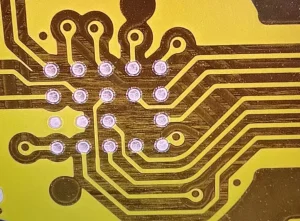
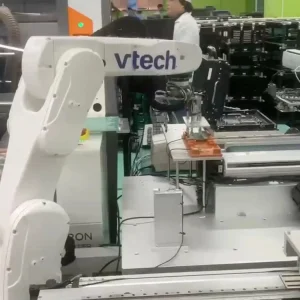
As telecommunication networks, marine technologies, and clean energy grids expand across West-Central Africa, the demand for locally serviced, highly reliable electronic assemblies has spiked. Under national development frameworks such as Equatorial Guinea's Horizon 2035 program, there is a strategic shift towards industrial diversification, digital connectivity, and technology-driven infrastructure. Modernizing localized electronics manufacturing is crucial to building robust digital networks, telemetry devices for offshore energy installations in the Gulf of Guinea, and localized telecommunications equipment.
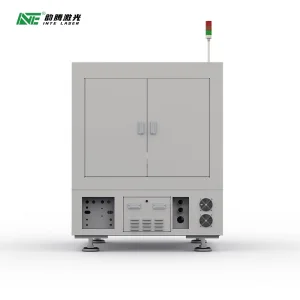
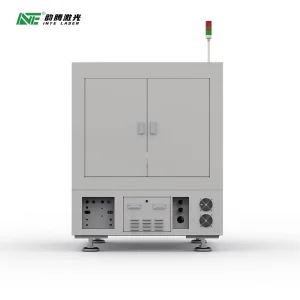
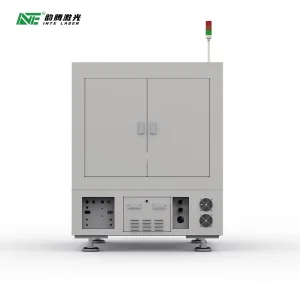
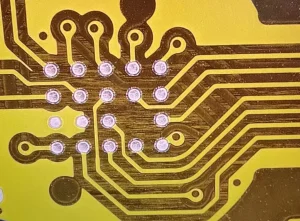
Implementing high-precision manufacturing systems—specifically **PCB Precision Laser Cutting Equipment**—enables electronics fabricators to bypass long procurement lead times for imported prototype components. Traditional routing or mechanical die-cutting produces significant mechanical stress, leading to microscopic delamination, micro-cracks in multi-layer PCBs, and particle contamination. Our specialized laser systems introduce zero mechanical force and minimal thermal influence, allowing electronics assemblers in Malabo and Bata to construct aerospace-grade, marine-grade, and telecom-grade PCBs with flawless edge quality.
Globally, the electronic manufacturing services (EMS) industry is shifting toward sub-millimeter component density and high-frequency substrates. For operators in growing technological hubs like Equatorial Guinea, investing in capital equipment that offers multi-material flexibility—such as fiber, nanosecond UV, and picosecond UV lasers—ensures adaptability to both standard rigid FR4 substrates and flexible polyimide (FPC) circuits without purchasing separate mechanical tooling.
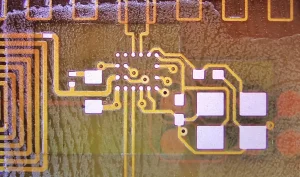
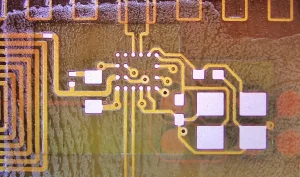
Engineered for high-yield processing of flexible circuits, ceramic substrates, and high-frequency polymers.
Industrial PCB processing relies on two primary laser methods: CO2 lasers for thick board routing, and UV/Ultrafast (Picosecond) lasers for micro-features, FPC window opening, and high-frequency substrate profiling. At Foshan Stylo Laser Co., Ltd., our R&D team specializes in optimizing the photolytic "cold ablation" mechanism of Ultraviolet (UV) lasers (typically operating at 355 nm). Unlike infrared or thermal lasers, the short wavelength of UV light breaks the organic molecular bonds directly within the polyimide or epoxy glass matrix, producing negligible Heat Affected Zones (HAZ) and eliminating charring or carbonization.
For mission-critical components, nanosecond UV pulse lasers deliver rapid ablation rates, while picosecond UV lasers restrict pulse duration to the trillionths of a second. This incredibly fast pulse ensures that the heat cannot dissipate into the surrounding copper layers or delicate IC chips. In environments with high humidity and ambient temperatures, such as the coastal climate of Equatorial Guinea (Bata and Malabo), thermal stabilization of the laser optics is vital. Our equipment integrates sealed, dust-proof optical assemblies and constant-temperature water chillers to prevent beam drift and maintain sub-micron repeatability.
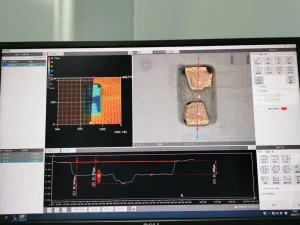
High-peak-power fiber laser sources optimized for alumina and aluminum nitride substrates, preventing micro-fractures in ceramic power electronics.
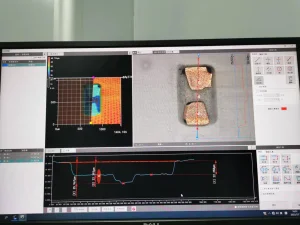
Engineered for electrical steel and transformer laminations, minimizing mechanical edge shear burrs for optimal magnetic flux performance.
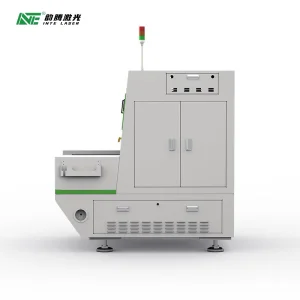
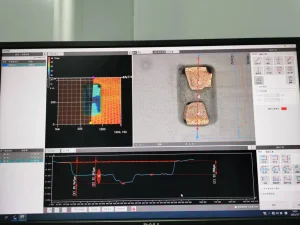
Real-time CCD cameras dynamically align fiducials, correcting shrinkage and stretch variables across wide-panel PCB steps.
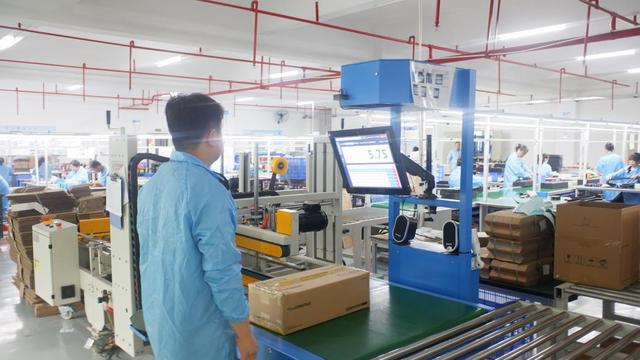
To maximize throughput, modern SMT assembly lines require automation. Our collaborative robotic units integrate dual-mode laser separation alongside conventional mechanical V-cuts. The collaborative system automatically handles board loading, fiducial recognition, laser cutting of fine tabs, and component separation, protecting components from ESD (electrostatic discharge) and structural shock. By combining mechanical rough cuts with ultra-precise laser finishing, manufacturers achieve a balanced, cost-effective cycle time for complex panels.
Electronics manufacturing in emerging markets requires robust equipment that functions efficiently under diverse power grid conditions and remote operating circumstances. Foshan Stylo Laser Co., Ltd. provides customized solutions designed for Equatorial Guinea's industrial climate:
Providing high-frequency PCBs and antenna modules for the telecom expansion in Bata, Malabo, and Annobón. High-frequency Teflon and ceramic-filled substrates demand clean, carbonization-free laser profiling to prevent signal attenuation and impedance mismatches.
Industrial sensor modules, flow meters, and deepwater communication arrays require multi-layer PCBs and flexible circuit boards with perfect edge-sealing. Standard mechanical routing leaves exposed fibers that absorb moisture. Our UV laser systems fuse board edges during cutting, offering superior moisture-resistance and preventing delamination in high-humidity marine zones.
Developing local microgrids and solar energy infrastructure relies on heavy-copper PCBs and silicon steel transformers. The integration of Foshan Stylo Laser's silicon steel cutting systems allows the fabrication of custom, high-frequency transformer laminations with minimal core loss, facilitating local production of energy-efficient solar inverters.
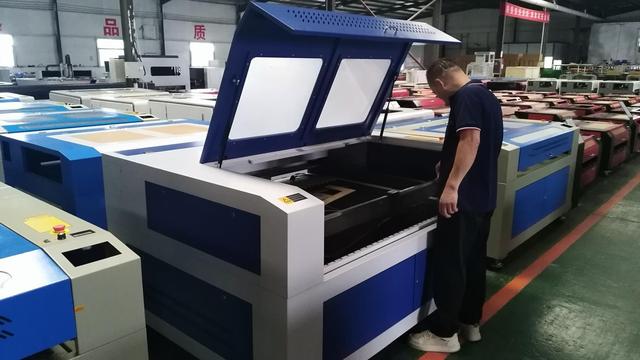
Foshan Stylo Laser Co., Ltd. is a leading manufacturer of industrial laser systems. We focus on ceramic laser cutting machines, silicon steel systems, and high-precision PCB/FPC laser profiling machines. By combining fiber laser technologies, advanced CNC control platforms, and intelligent automation systems, we deliver production solutions that maximize yield rates and reduce material consumption.
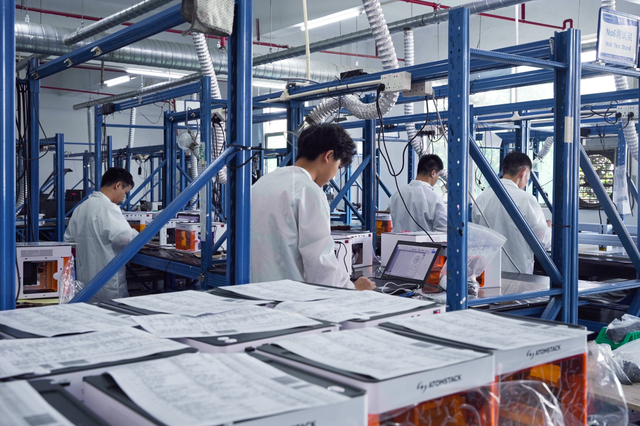
We maintain strict quality control standards, including international ISO and CE certifications. Every machine undergoes rigorous mechanical alignment calibration, beam profiling analysis, and a 72-hour continuous burn-in test before shipment. We provide global OEM/ODM customization services, including custom software interfaces, custom fixtures, and remote technical diagnostics to ensure seamless operation in remote regions.
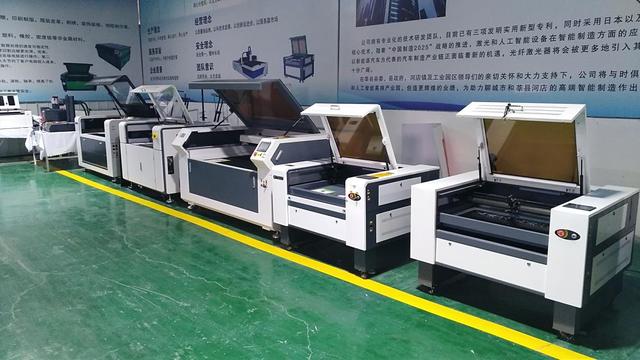
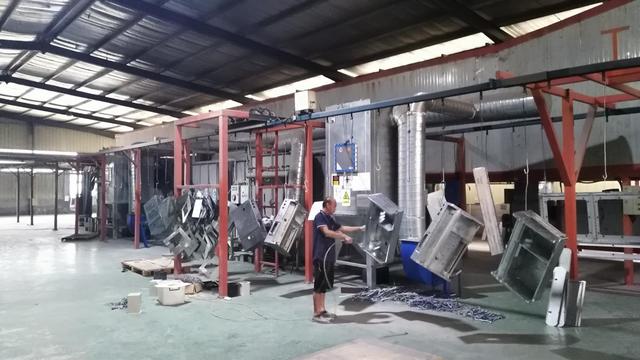
Technical clarifications, material constraints, and support details for operators in Equatorial Guinea.
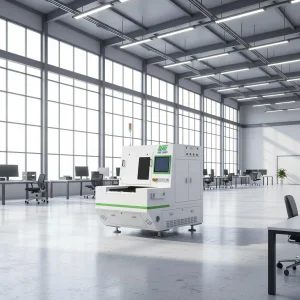
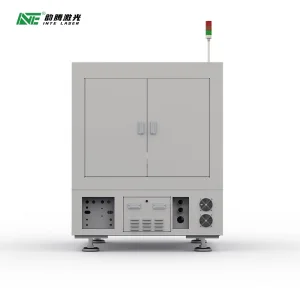
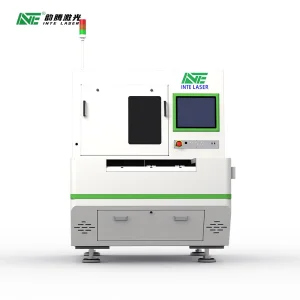
Select from our globally certified line of high-yield PCB/FPC laser profiling and engraving systems.
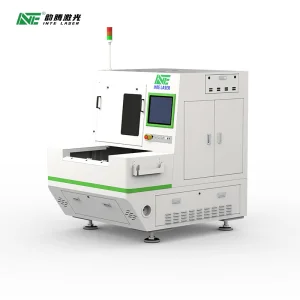
 Stylo Laser