High-efficiency components, automated production tooling, and premium-grade laser integrations engineered for global industrial deployments.
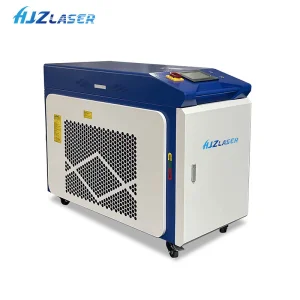
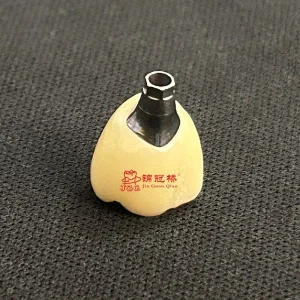
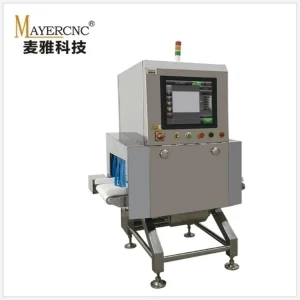
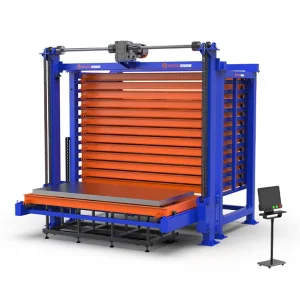
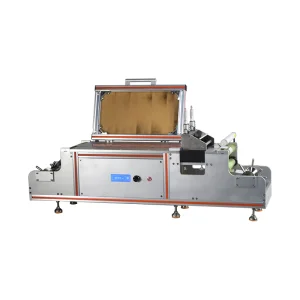
How laser processing systems are solving processing challenges in structural composites, ceramics, and advanced silicon steels globally.
Modern industrial manufacturing faces a historic transition. Advanced structural materials, such as Carbon Fiber Reinforced Polymers (CFRP), high-density technical ceramics, and grain-oriented electrical silicon steels, are critical for light-weighting aerospace hulls, electric vehicle power electronics, and power distribution infrastructures. However, their structural composition presents challenges for conventional mechanical cutting tools.
Mechanical shearing, diamond drilling, and milling introduce high physical wear, tool deflection, localized micro-cracks, and structural delamination. Non-contact laser solutions bypass these mechanical failures by employing coherent thermal and photo-ablative energies. Through ultra-short pulse (USP) lasers, fiber transmission networks, and optimized gas shielding, laser processing has emerged as the definitive path for high-throughput composite component manufacturing.
From structural matrixes to fine-line microstructures in semiconductors, laser processing solves traditional engineering limits while maintaining physical stability, zero contact force, and a highly controlled heat-affected zone (HAZ).
CFRP cutting requires precise control over pulse frequencies. Modern multi-kilowatt fiber systems reduce post-cut delamination, minimizing localized resin recession along cut profiles.
Precision thermal processing of sintered silicon nitride, alumina, and electrical steel core laminations ensures high structural integrity and low hysteresis losses in high-frequency applications.
Min Heat-Affected Zone
Structural Yield Consistency
Certified Supplier Audits
Countries Exported Globally
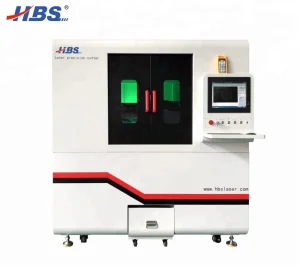
Foshan Stylo Laser Co., Ltd. is an industrial manufacturer specializing in advanced industrial laser processing equipment. The company focus includes ceramic laser cutting machines and silicon steel laser cutting systems, delivering high-precision, high-efficiency laser solutions for modern manufacturing setups requiring superior accuracy and stable performance.
Its core technology is applied in processing ceramic materials, electrical steel, and other advanced industrial materials used in transformers, electronics, energy systems, and precision components. By integrating fiber laser technology, high-end CNC control interfaces, and intelligent automation, Foshan Stylo Laser provides cutting solutions that improve production speed while maintaining clean edge quality and minimal material deformation.
The company's equipment is used across power transmission, semiconductor manufacturing, electrical engineering, and high-end industrial manufacturing. It supports flexible production needs ranging from micro-precision cutting to large-scale industrial processing. Emphasizing engineering innovation and strict quality control, the company offers OEM and ODM customization services to meet diverse global customer requirements.
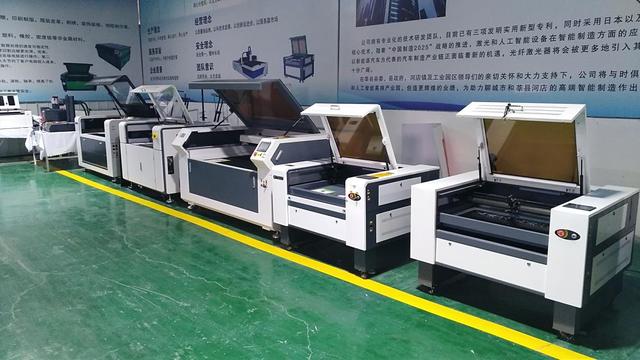
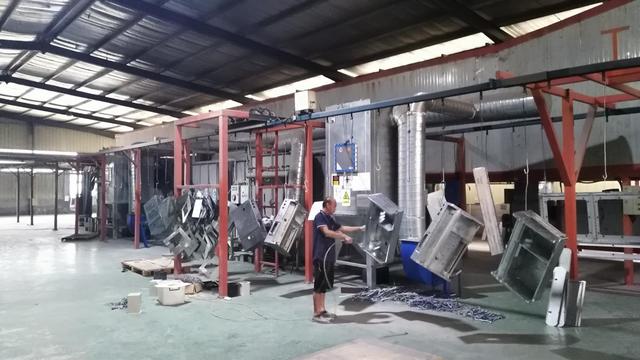
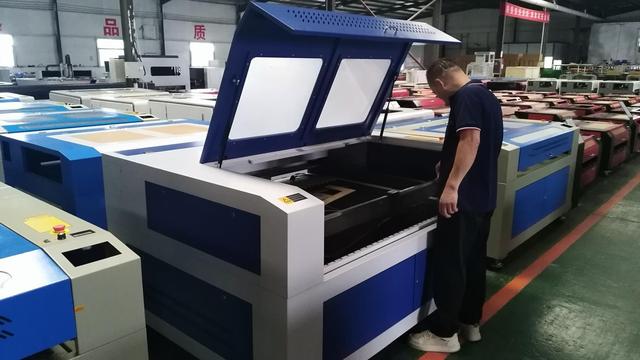
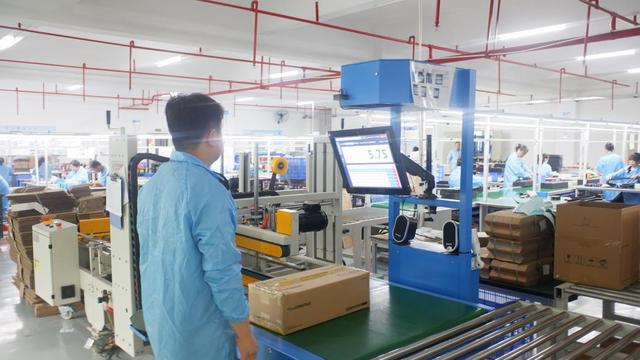
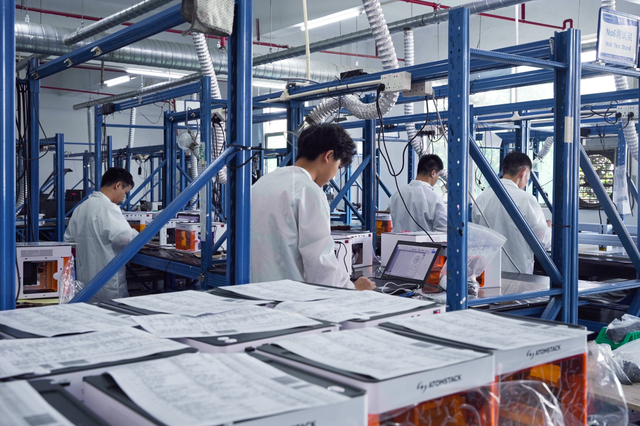
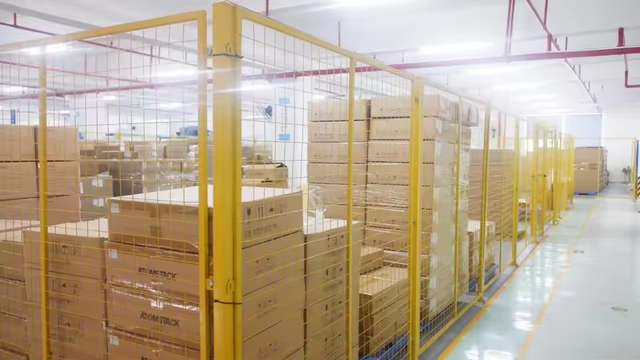
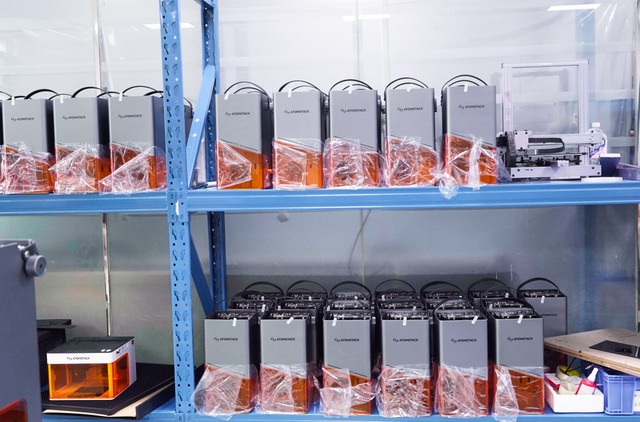
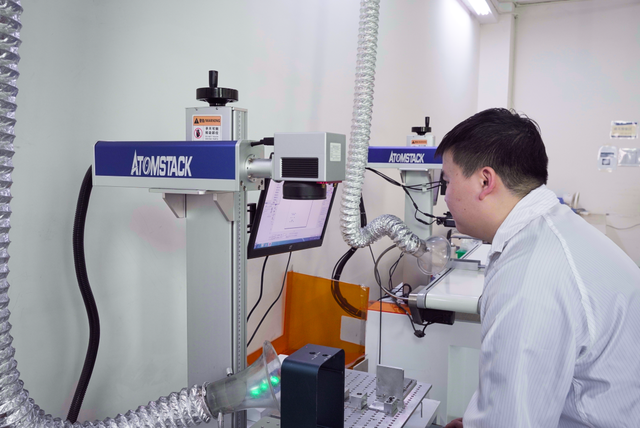
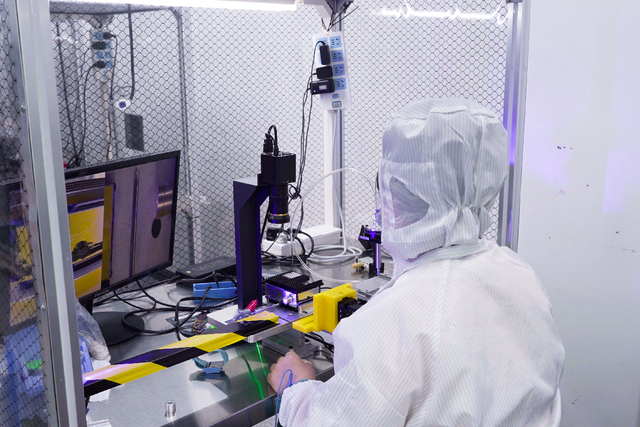
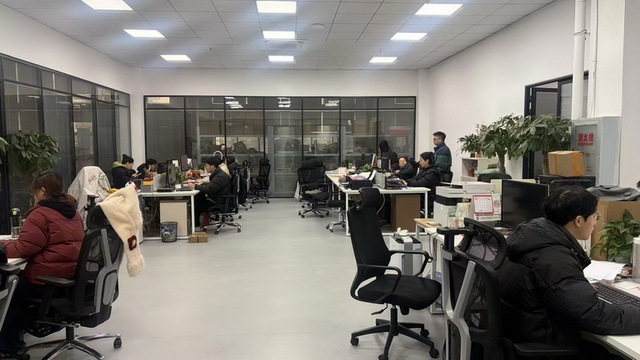
Optimize your parameters based on material density, thermal sensitivity, and production requirements.
| Material Type | Critical Laser Tech | Laser Wavelength | Recommended Pulse Type | Primary Industry Application |
|---|---|---|---|---|
| Carbon Fiber Reinforced (CFRP) | High-Power Fiber / Ultra-Short Pulse | 1064 nm - 1030 nm | Picosecond / Femtosecond | Aerospace primary structures & Automotive framing |
| Advanced Technical Ceramics | UV / Green Solid-State & CO2 Lasers | 355 nm - 532 nm / 10.6 μm | Nanosecond to Picosecond | Semiconductor wafers & Insulator substrates |
| Glass Fiber Reinforced (GFRP) | CO2 Laser / Fiber Hybrid Systems | 10.6 μm / 1070 nm | Continuous Wave (CW) with gas assist | Wind turbine blades & Marine components |
| Silicon Steel Core laminates | Single-Mode Fiber Laser Systems | 1070 nm | Continuous Wave / Pulsed Modulation | Distribution transformers & EV Traction motors |
| Metal Matrix Composites (MMC) | Q-switched Fiber Systems | 1064 nm | Sub-microsecond | Heavy tooling components & Braking systems |
Ultra-short pulse lasers ablate materials directly via photo-ionization, transitioning solid carbon fiber directly to gas phases without melting surrounding matrices.
Flexible fiber lines integrate directly into high-accuracy 5-axis articulated robotic heads, allowing multi-angle trimming of 3D molded composite panels.
Because laser cutting is a non-contact process, edge quality remains consistent from the first cycle to the last, eliminating tool replacement overheads.
Industrial laser machinery requires rigorous mechanical, electrical, and optical protection protocols. Here is how we enforce global standards.
Deploying industrial lasers globally requires compliance with safety protocols. At the high power levels used in composite cutting (often exceeding 1kW to 6kW), systems must be strictly housed according to class safety requirements. We enforce Class 1 enclosure standards, incorporating optical protection viewing panes, interlocking cabinet barriers, and multi-point safety sensors.
In addition, composite material ablation produces sub-micron particulates and dynamic gaseous emissions (e.g., vaporized resins, matrix binders, carbon dust). Without mitigation, these pose respiratory risks to operators and deposit debris on critical optics. Our solutions integrate high-efficiency particle arrestance (HEPA) air filtration and active dual-zone fume extraction to maintain clean operational air volumes and preserve system optics.
Developing capabilities for intelligent beam shaping, high-speed optical monitoring, and sustainable manufacturing.
Real-time adaptation of spatial intensity profiles. Dynamic spatial modulation reshapes the laser spot from standard Gaussian distributions to ring-shaped modes, optimizing thermal inputs for composite structural layers.
Integrating high-speed optical sensors with machine vision to monitor the keyhole melting process in real-time. System controls dynamically alter pulse frequencies, correcting thermal shifts on the fly.
Coupling different laser wavelengths (e.g., UV and Infrared) into a single optical delivery channel. Ideal for multi-layer composites where each layer reacts differently to specific wavelengths.
Common questions from design engineers and procurement officers regarding advanced laser processing platforms.
CFRP is highly heterogeneous. Carbon fibers have a high melting threshold and thermal conductivity, whereas the surrounding polymer matrix melts and vaporizes at much lower temperatures. Using standard continuous-wave (CW) lasers can heat the carbon fibers, which transfers heat to the matrix and causes a large Heat Affected Zone (HAZ), resin recession, and matrix delamination. Using ultra-short pulsed (USP) lasers or advanced gas-assist systems mitigates these effects.
Safety considerations include optical safety (protecting operators from scattered and direct laser beams with proper enclosures and viewing windows) and emissions control. Vaporized epoxy resins, glass fibers, and technical ceramics generate fine particulates and toxic fumes. Enclosed Class 1 laser workstations equipped with active HEPA filtering and carbon-based extraction systems are essential for compliance with OSHA and CE directives.
Foshan Stylo Laser optimizes the laser beam profiles and pulse durations used in cutting electrical steels. This control minimizes burrs and melt bridges between adjacent laminations. Maintaining clean cut edges prevents short circuits, preserving the magnetic properties and inter-lamination resistance of CRGO core assemblies.
Gas-assist setups supply auxiliary gases (such as Nitrogen, Oxygen, or Argon) coaxially with the laser beam. Nitrogen and Argon act as shielding gases that prevent oxidation and charring of the composite matrix. Oxygen can be used to accelerate cutting speeds in certain metals. The gas flow also blows molten material away from the cutting zone, maintaining edge quality and protecting the laser nozzle.
Industrial machinery built for manufacturing plants, laminating systems, and specialized energy storage production lines.
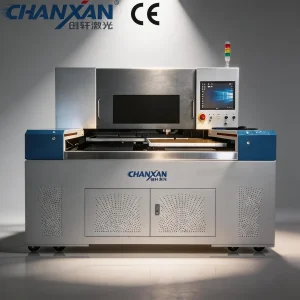
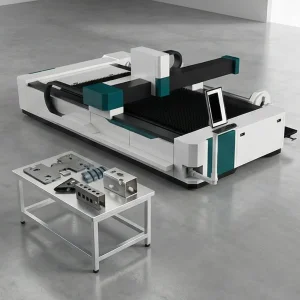
 Stylo Laser