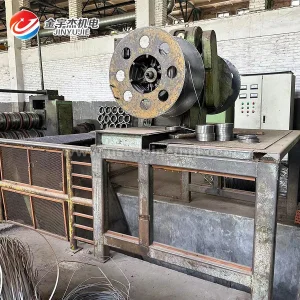
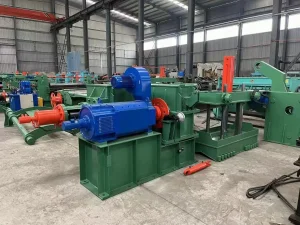
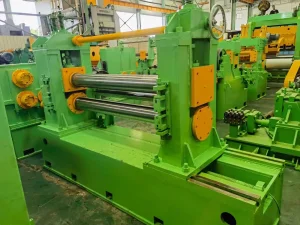
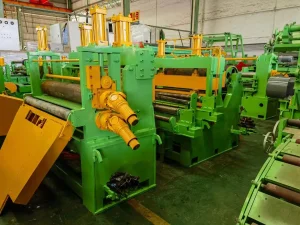
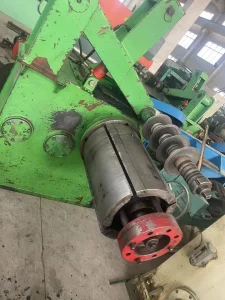
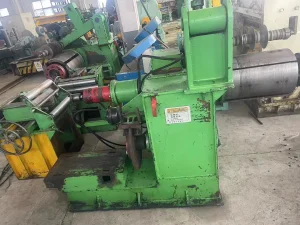
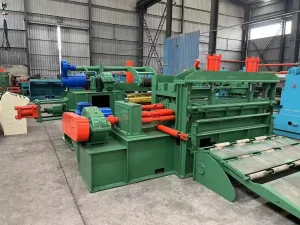
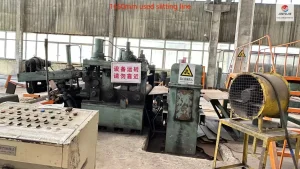
High-performance silicon steel sheet processing units designed to deliver minimum edge stress, tight dimensional tolerances, and low electromagnetic loss.
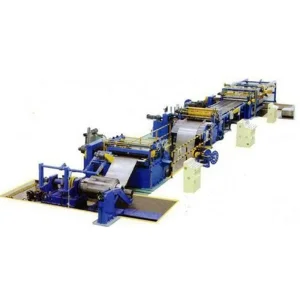
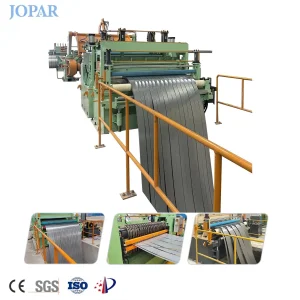
The Greater Philadelphia region, encompassing Southeast Pennsylvania, Southern New Jersey, and Delaware, stands as a historically vital hub for manufacturing and heavy industrial engineering. Today, as the United States focuses heavily on the modernization of the national electrical grid and the domestic reshoring of manufacturing capacity, the demand for high-grade electrical steel—both Grain-Oriented (GO) and Non-Oriented (NO) silicon steel—is growing at an unprecedented rate. Local regional transmission systems such as the PJM Interconnection, based nearby in Valley Forge, oversee the transmission of power to over 65 million people, requiring continuous infrastructure upgrades with high-efficiency transformers.
Electrical steel slitting lines and cut-to-length step-lap core lines are the technological gatekeepers of this energy transition. Raw steel coils, imported or produced domestically, must be converted into high-precision laminations without degrading their critical magnetic parameters. The Philadelphia industrial corridor serves as a major distribution node, connected via the Port of Philadelphia (PhilaPort) and dense interstate rail links, allowing manufacturers to service the entire North American East Coast. High-throughput machinery with minimal thermal and physical stress induction is mandatory to meet the strict US Department of Energy (DOE) energy efficiency mandates for distribution and power transformers.
Industry-leading performance metrics that define the engineering parameters of our premium electrical steel equipment.
The core challenge of processing electrical steel lies in its sensitivity to mechanical deformation. Silicon steel exhibits directional magnetic properties, specifically in grain-oriented variants (CRGO), where magnetic domains must align precisely to maximize permeability and minimize core losses (hysteresis and eddy current losses). Conventional slitting or shearing processes introduce mechanical stresses that deform the crystalline lattice at the cut edges, resulting in a localized zone of high core loss.
To mitigate these phenomena, our advanced technical roadmap integrates several structural innovations:
Utilizing high-rigidity tool shafts with customized clearance control and anti-vibration bearings to prevent micro-fracturing along the shear plane, keeping mechanical stress confined within a negligible margin.
Ensuring differential tension compensation for multiple strips, preventing material stretching or slippage which can cause mechanical deformation and change the permeability profile of thin silicon steel coils.
High-speed, multi-step longitudinal and cross-cutting lines that fabricate transformer core laminations with automated joint stacking patterns to optimize the magnetic flux path.
For electrical steel processing, edge burr control is critical. A burr height exceeding 0.02 mm compromises the stacking density of the core laminations, causing poor space utilization and creating conductive short-circuit paths. This drastically increases eddy current loop losses and leads to localized core overheating. Our machines maintain an edge burr profile of less than 0.01 mm, safeguarding the design parameters of your electrical components.
| Technical Characteristic | Standard Slitting Line Limits | Advanced Electrical Steel Line Specification | Impact on Transformer/Motor Performance |
|---|---|---|---|
| Edge Burr Height | ≤ 0.03 mm - 0.05 mm | ≤ 0.01 mm (0.0004 in) | Reduces inter-lamination eddy currents; increases packing factor. |
| Width Accuracy | ± 0.15 mm | ± 0.02 mm to ± 0.05 mm | Ensures tight physical tolerances for core stack assemblies. |
| Slitting Speed Control | Variable / Direct Drive | Constant Tension Loop Pit Control | Prevents tension stress; eliminates elongation and domain distortion. |
| Cut Edge Strain Zone | Up to 1.5 mm from edge | ≤ 0.15 mm from edge (Shear Optimized) | Preserves the original low core-loss (W/kg) specification. |
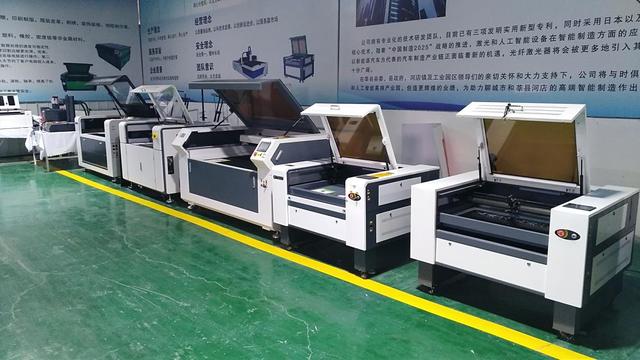
To meet the stringent standards of North American grid builders and high-precision motor manufacturers in Philadelphia, we leverage the advanced production capacities of Foshan Stylo Laser Co., Ltd.. As a leading manufacturer specializing in industrial laser processing systems and high-precision steel coil slitting and cutting configurations, the company has integrated advanced automation, digital twin tracking, and real-time tension monitoring to ensure unparalleled processing consistency.
The company’s expertise in laser cutting solutions for ceramic and silicon steel applications directly influences the engineering of our slitting line components. Every slitting knife shaft, straightener roll, and tension control cylinder is fabricated under strict quality management systems using state-of-the-art tooling machinery. By utilizing advanced metallurgy, high-accuracy grinding, and CNC laser-aligned structural assembly, Foshan Stylo Laser ensures that the equipment maintains its stability and precision during years of continuous industrial operation.
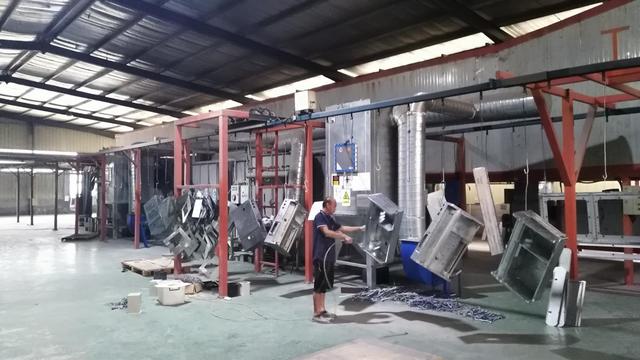
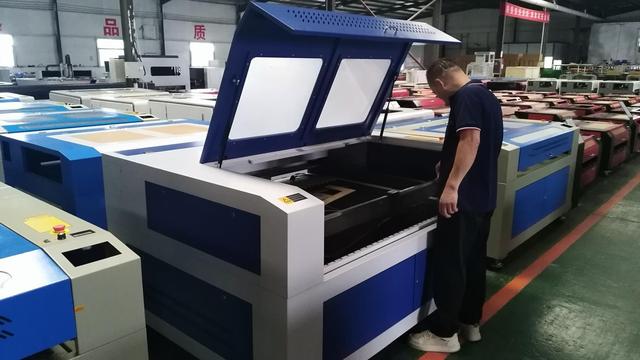
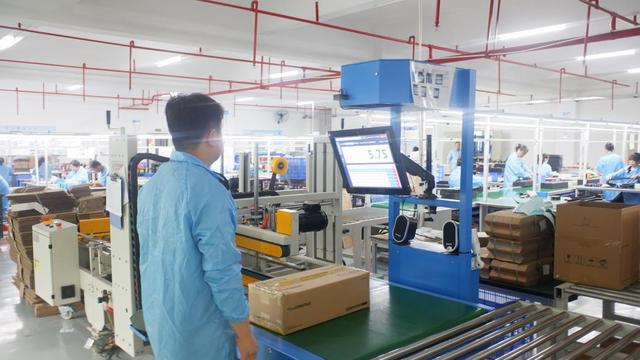
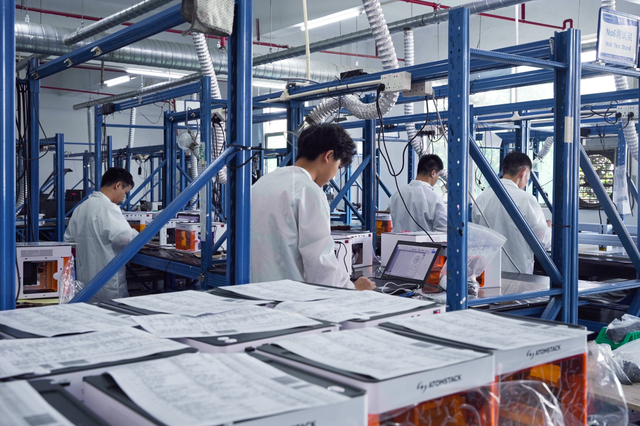
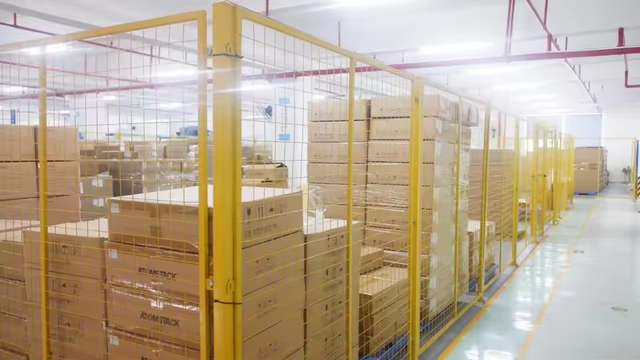
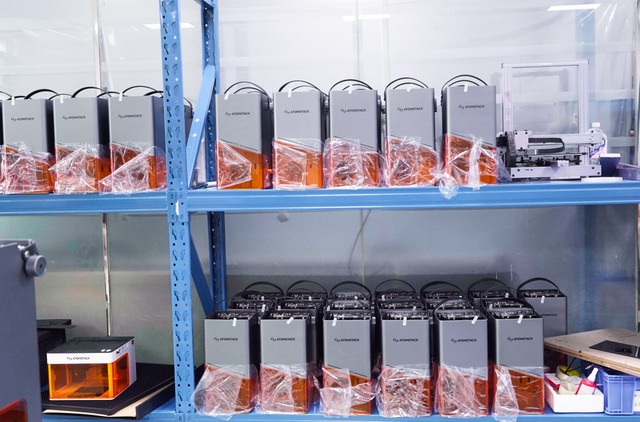
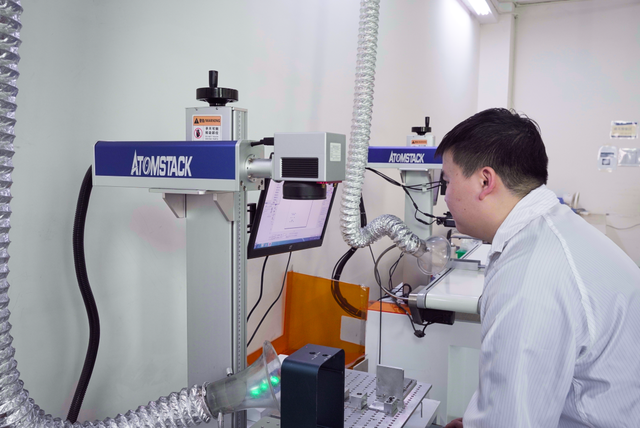
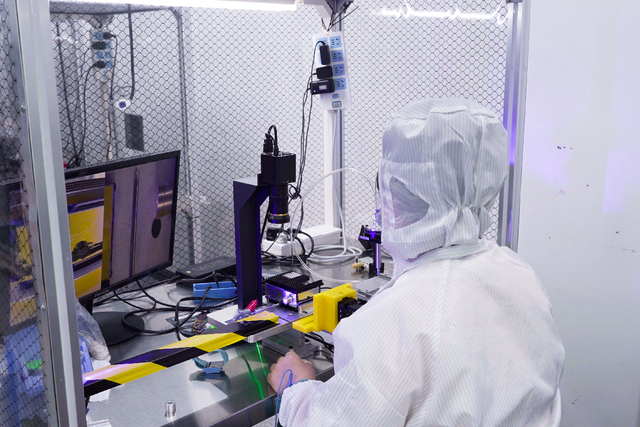
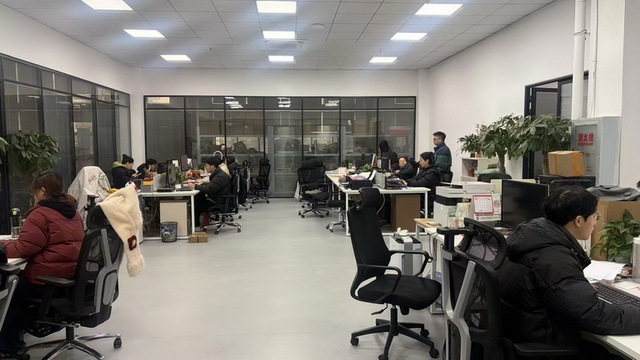
Through localized engineering adaptation, we bridge the gap between China’s highly efficient production ecosystem and the strict quality guidelines demanded by Philadelphia’s manufacturing industry. This integration of global supply chain resilience, advanced design software, and rigorous mechanical validation guarantees that each line delivered complies with OSHA safety guidelines and matches the requirements of NEMA/IEEE electrical applications.
Procuring an industrial slitting line or cut-to-length system is a capital expenditure that requires extensive operational planning. In order to maximize return on investment (ROI), we do not simply supply standard machinery; we engineer integrated macro solutions designed to match your production footprint:
These complete lines are designed for industrial versatility, handling not only specialized silicon steels but also high-tensile carbon steel, galvanized steel, and premium stainless steel alloys. This ensures that toll-processing service centers can maximize machine utilization rates.
Explore our technical portfolio of new, slightly used, and hydraulic-driven metal processing machinery available for deployment in the Philadelphia region.
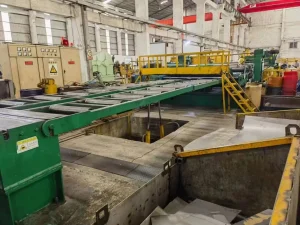
Operating production machinery in Pennsylvania requires compliance with stringent regulatory frameworks. All electrical steel slitting and cutting lines exported by us are designed from the ground up to meet standard electrical, mechanical, and environmental safety regulations:
For our Philadelphia and East Coast clients, we provide local commission support, including installation supervision, control logic troubleshooting, operator training, and maintenance scheduling. Through remote VPN diagnostics integrated into our PLC systems, our engineering team in China can monitor running metrics and offer adjustments within hours of a support request.
Technical answers to critical questions regarding electrical steel processing, machine commissioning, and export logistics to Philadelphia.
 Stylo Laser