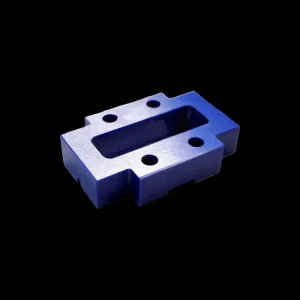
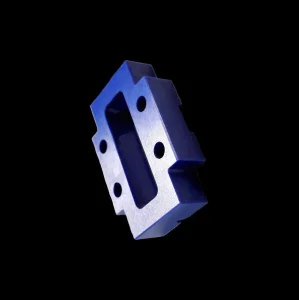
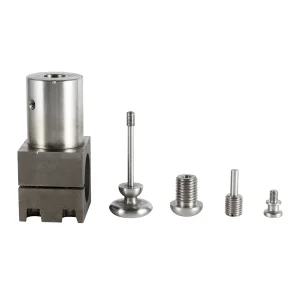
📊 Basic Information
Advantage
Long Service Life
Feature
High Thermal Conductivity
Specification
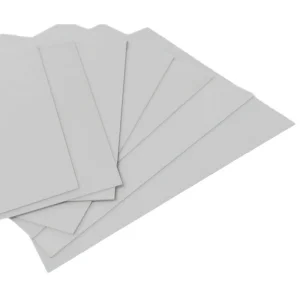
L/W: 1~150MM, T: 0.2~100MM
📦 Packaging & Delivery
Package Size
20.00cm * 20.00cm * 20.00cm
🔍 Product Description
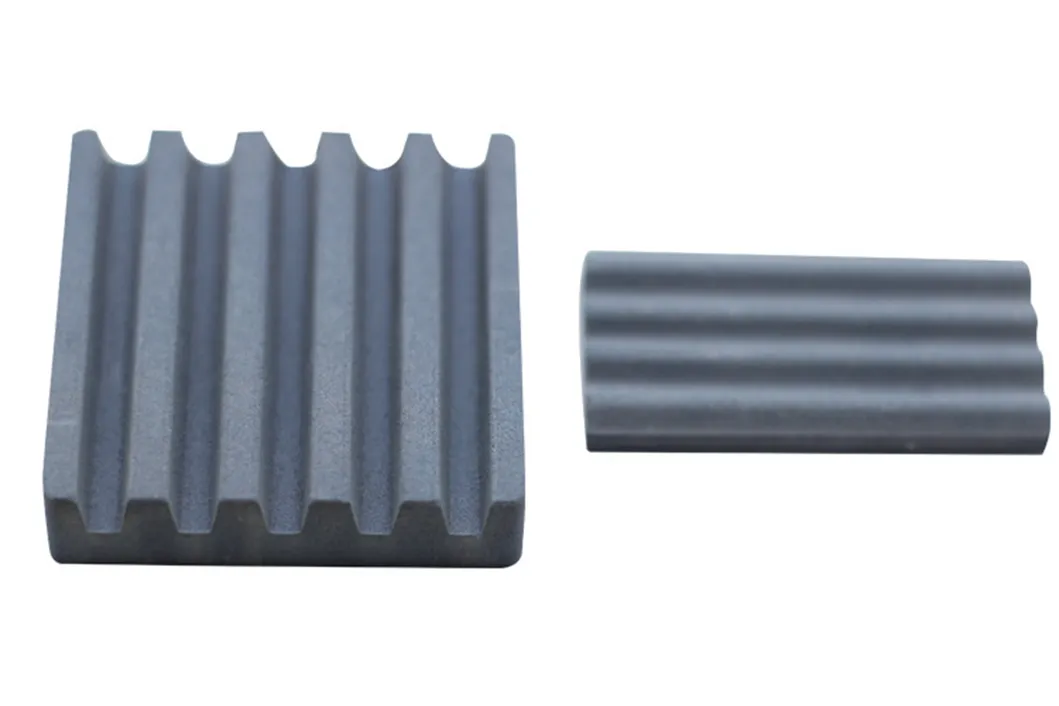
Aluminum Nitride Ceramics are ceramics with aluminum nitride (AIN) as the main crystal phase. AlN crystals use [AIN4] tetrahedrons as the structural unit covalent bond compounds, with a wurtzite structure, belonging to the hexagonal system.
Key Characteristics:
Chemical composition: AI 65.81%, N 34.19%, specific gravity 3.261g/cm3. The sublimation decomposition temperature under normal pressure is 2450°C. It is a high-temperature heat-resistant material with a thermal expansion coefficient of (4.0-6.0)X10-6/°C. Polycrystalline AIN thermal conductivity is 260W / (m.k), which is 5-8 times higher than aluminum oxide. It can withstand extremely hot environments up to 2200°C.
🚀 Core Applications
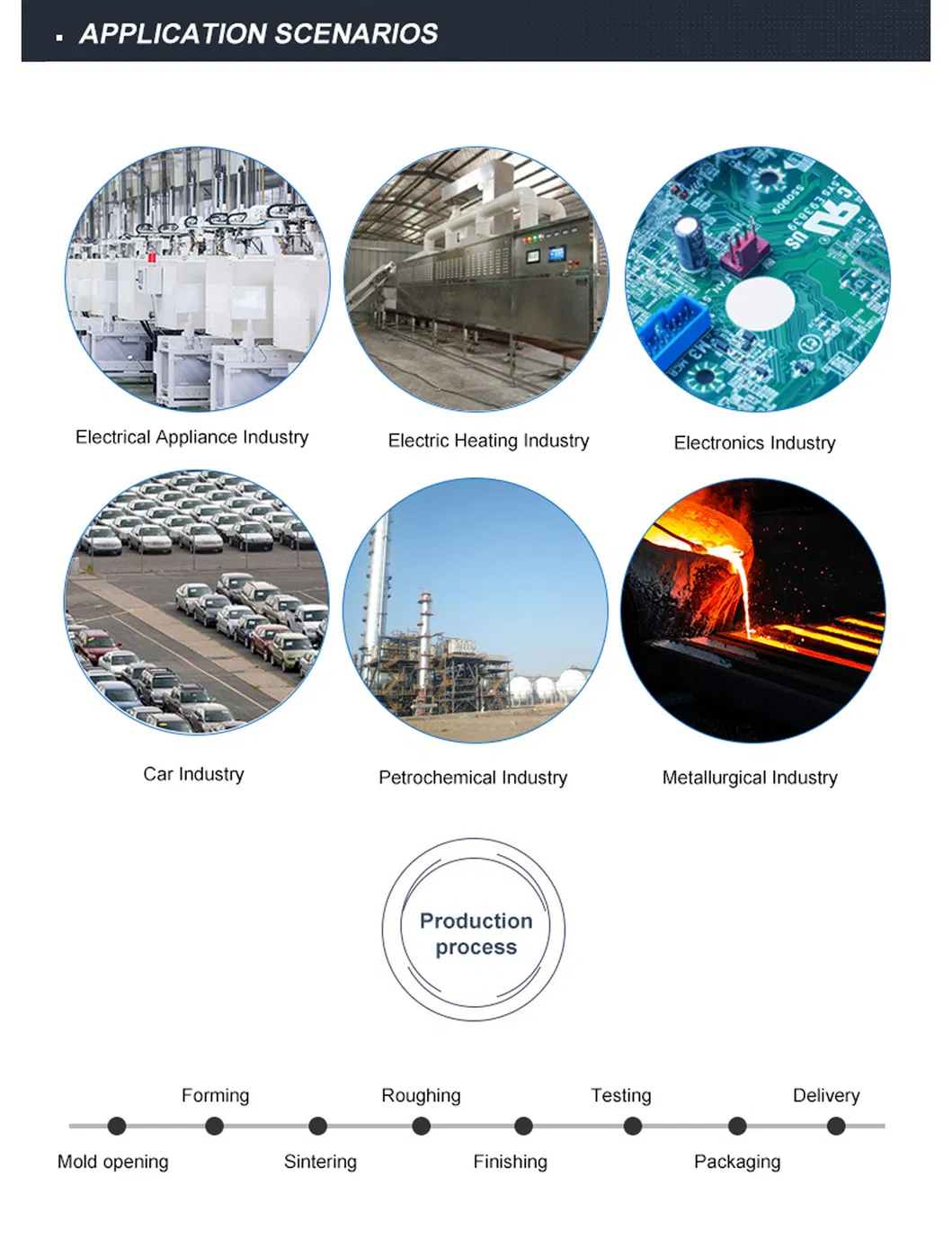
- Optical communication devices
- Special refrigeration units
- LED industry components
- Automotive electronic modules
- High efficiency power modules
- High frequency microwave applications
- Power electronic components
📋 Technical Properties
| Aluminum Nitride Ceramics Properties |
| Color |
Gray |
Density |
3.26g/cm3 |
| Melt Point |
2200ºC |
Boiling Point |
2517ºC |
| Thermal Conductivity |
320 W/m.K |
Exp. Coefficient |
3.5×10⁻⁶K⁻¹ |
| Specific Heat |
740J/(Kg.ºC) |
Volume Resistivity |
>10¹⁴Ω.cm |
| Dielectric Constant |
8.2~9 @1Hz |
Hardness (Mohs) |
9~10 |
🖼️ Product Gallery

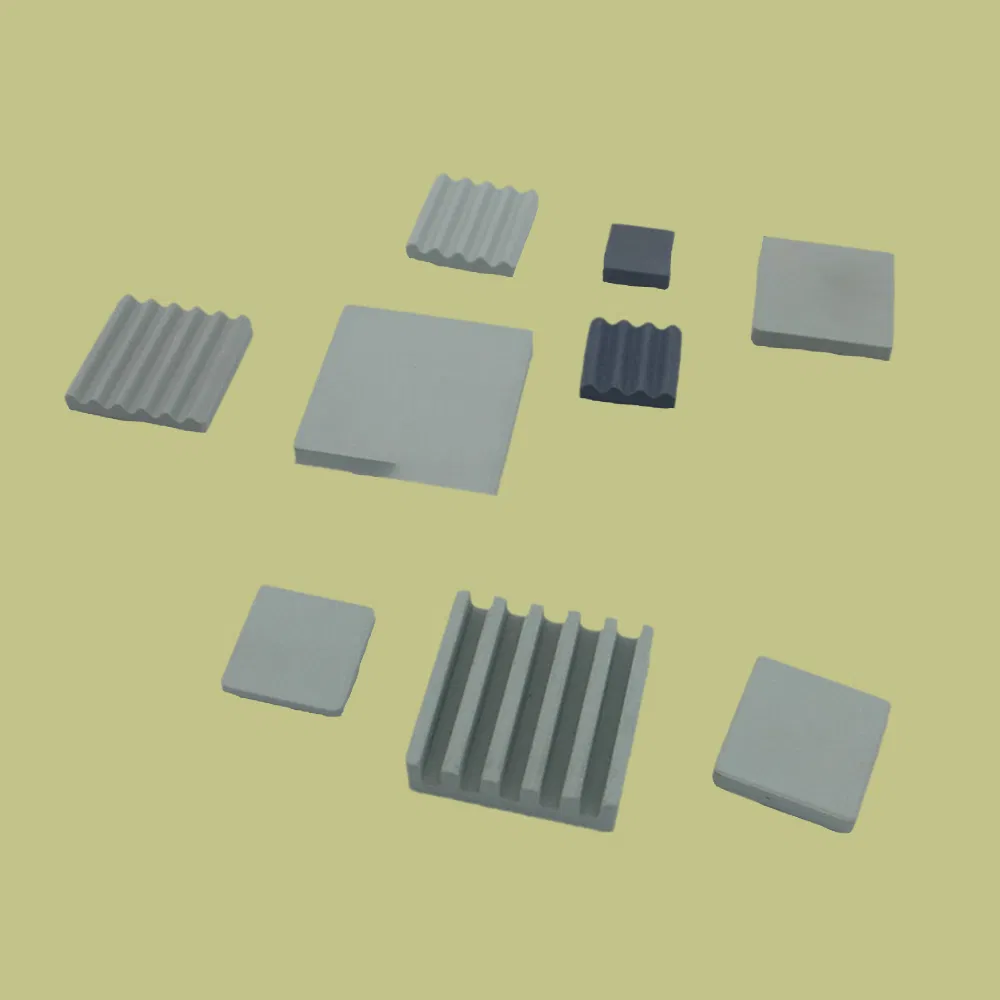
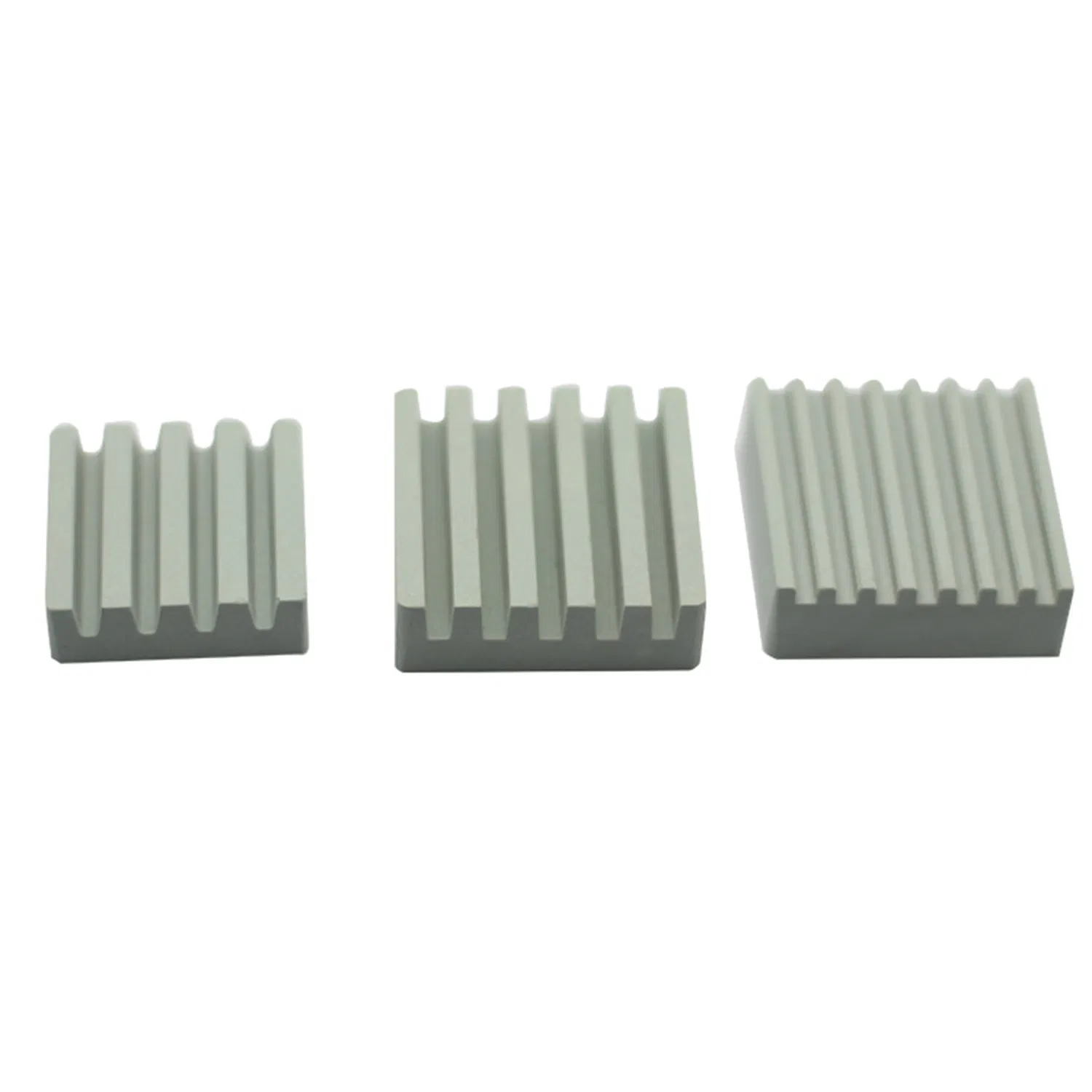
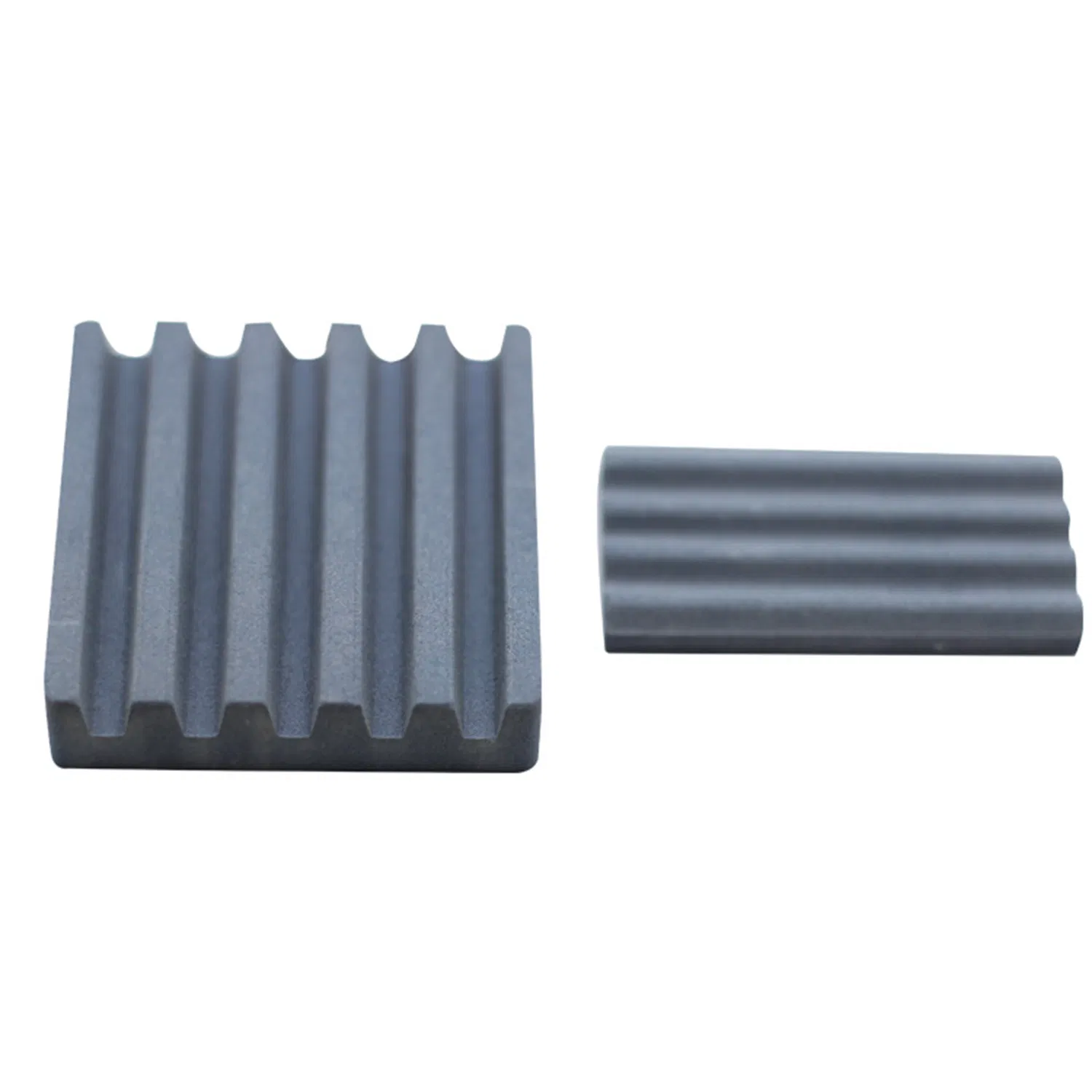
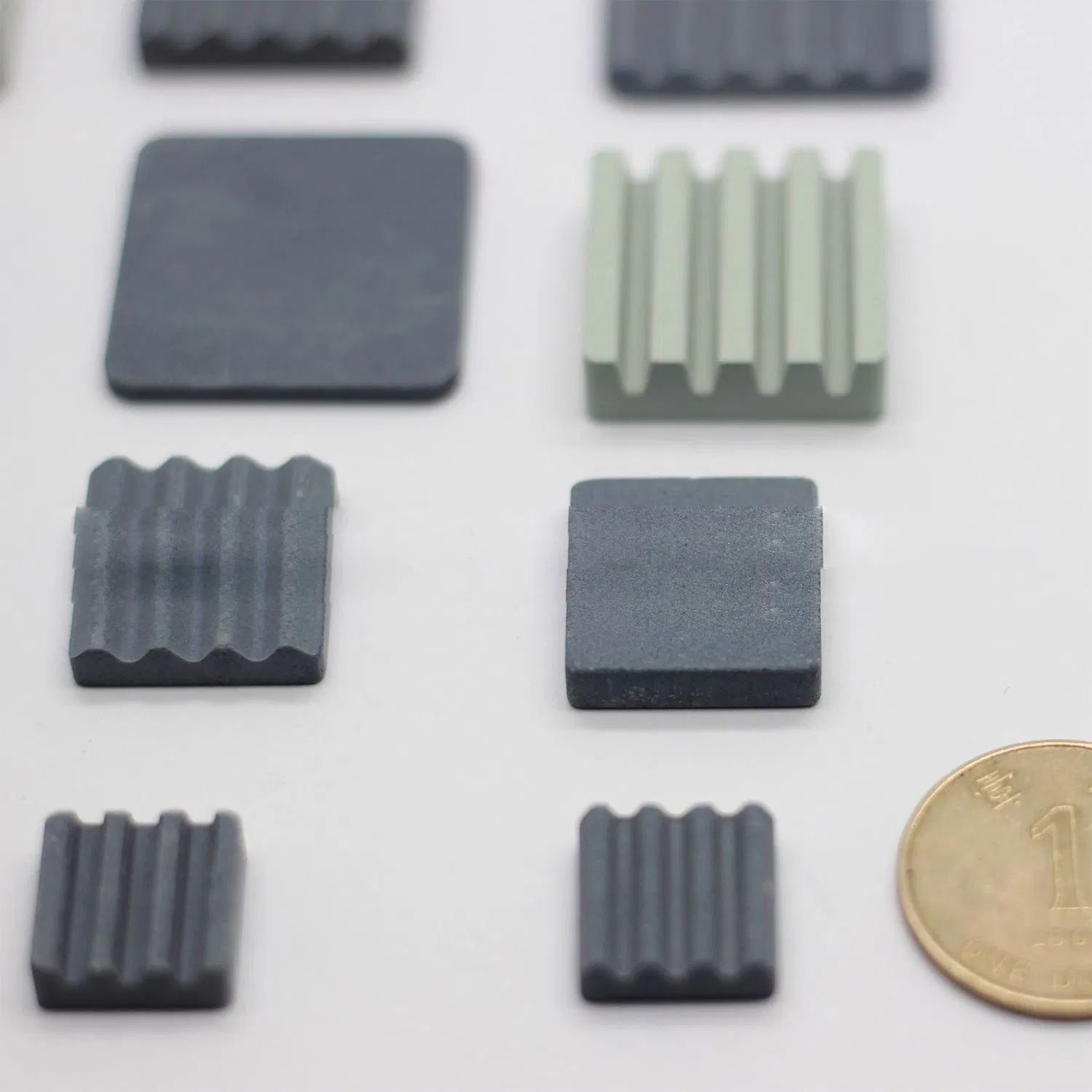
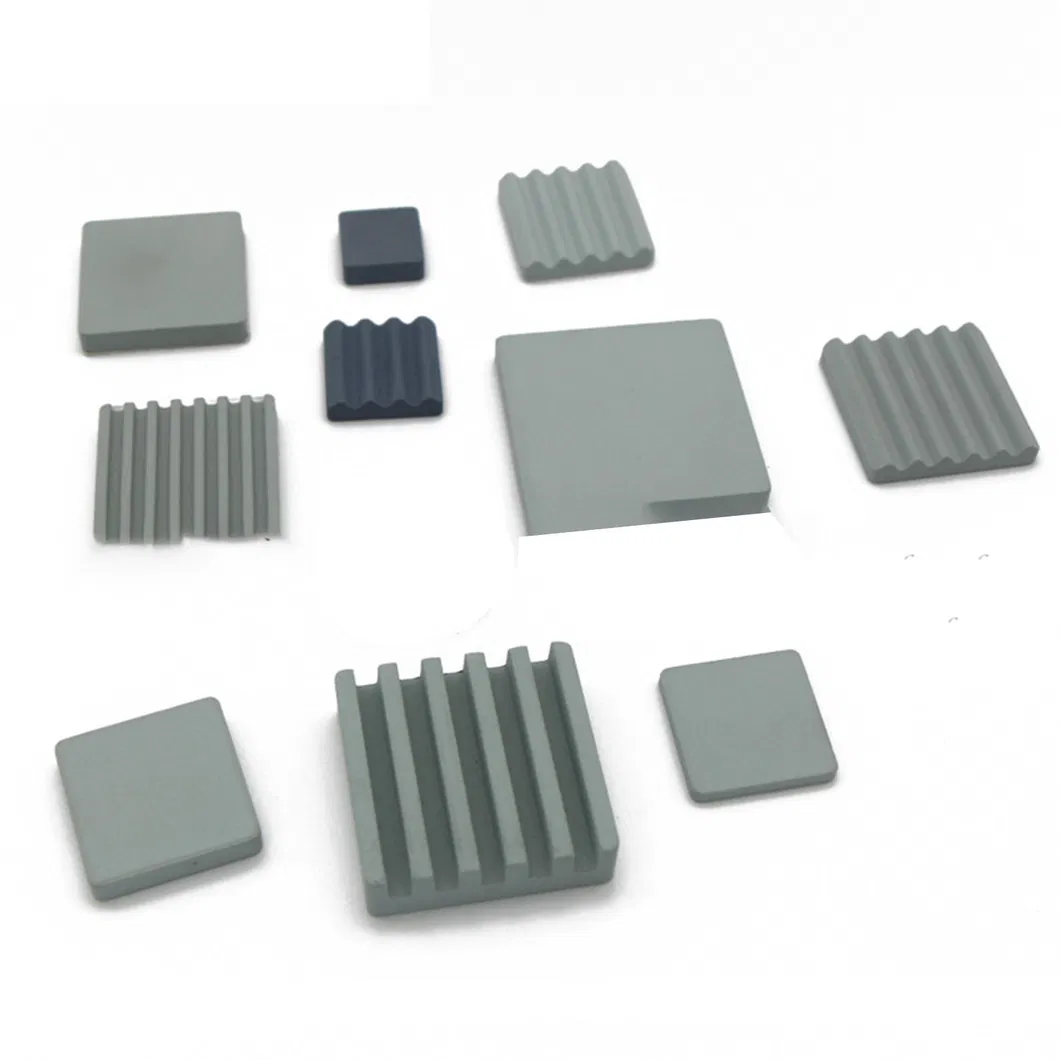
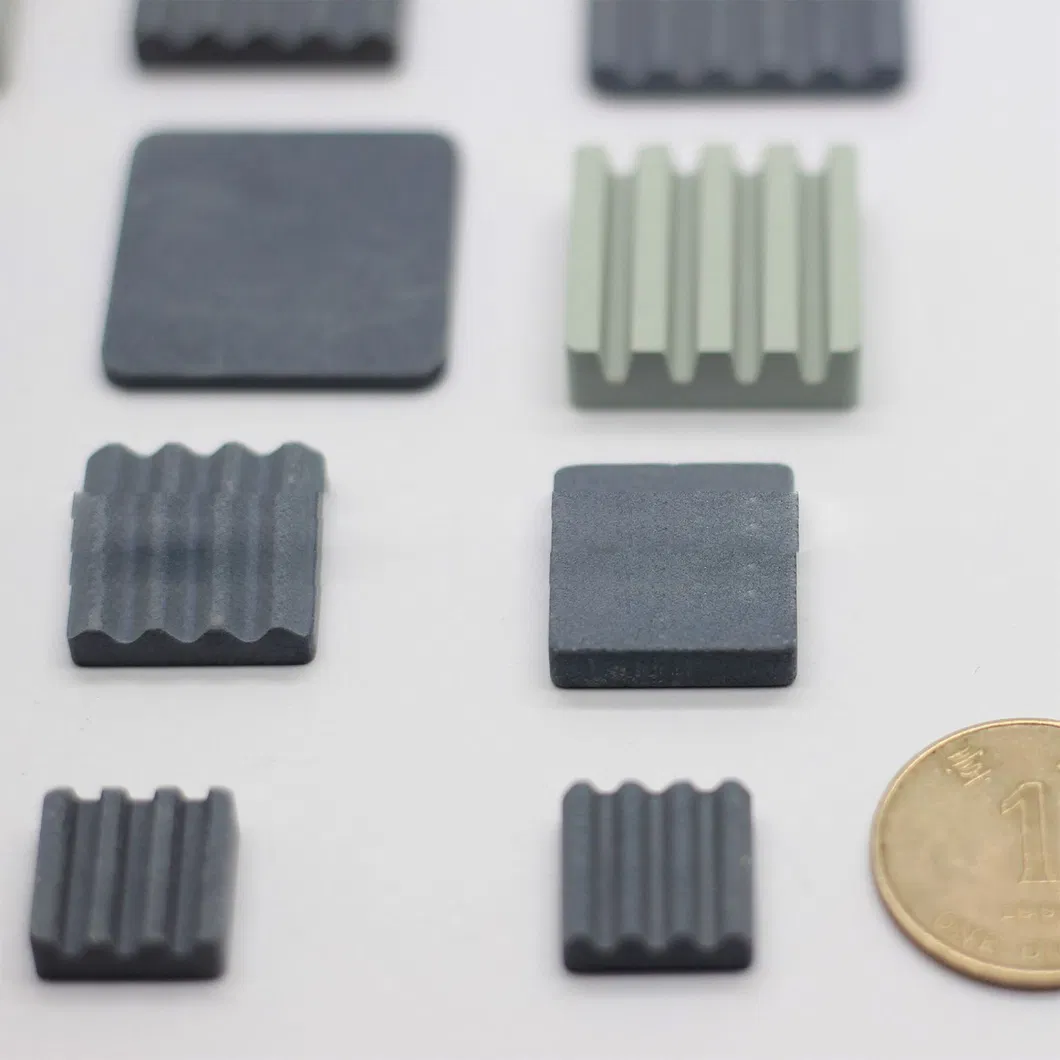
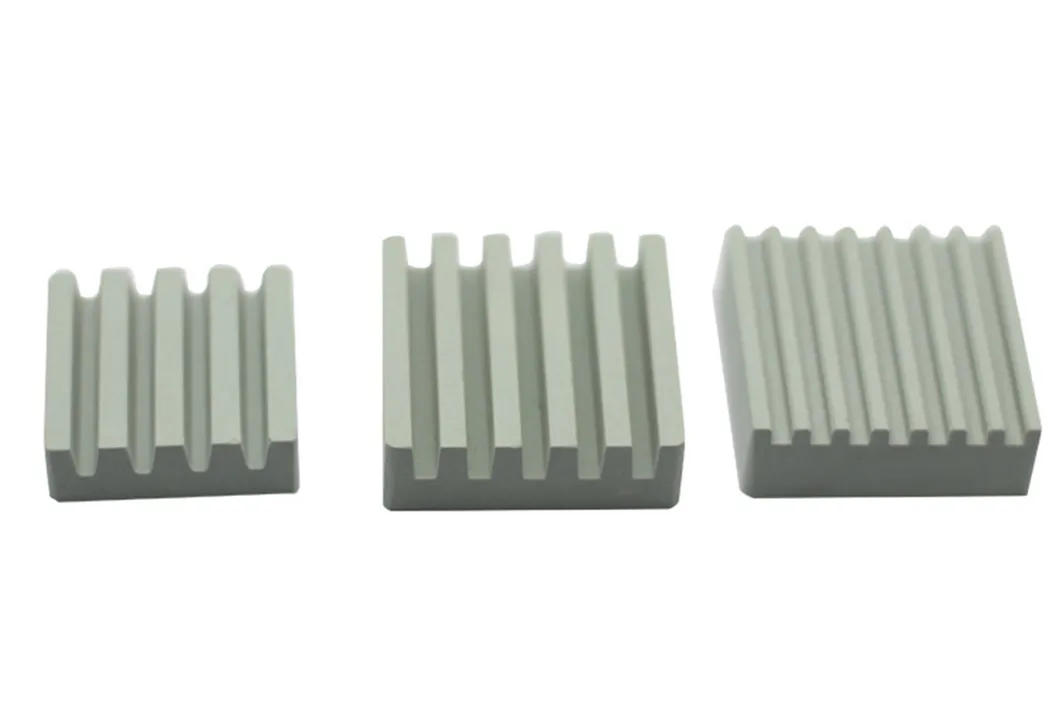
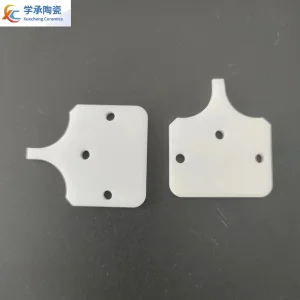
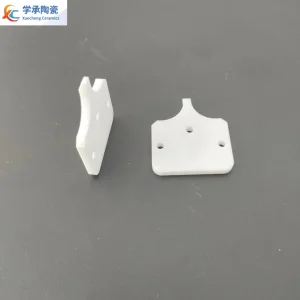
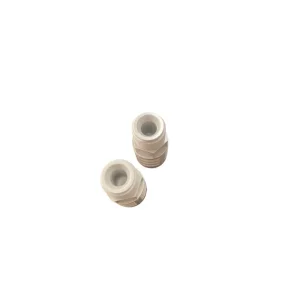
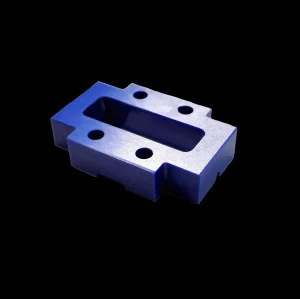
Our materials portfolio includes high-purity structural and functional ceramics such as Alumina, Aluminum Nitride, Zirconia, Silicon Nitride, and Boron Nitride. Zirconia products feature yttria-stabilized (YSZ), magnesia-stabilized (MgO-PSZ), and ceria-stabilized (CeO-PSZ) variations. These materials offer exceptional hardness, strength, toughness, and resistance to chemical/mechanical corrosion, making them ideal for optical, electronic, and chemical industries.
❓ Frequently Asked Questions
1. What is the thermal conductivity of Aluminum Nitride (AlN) ceramics?
Polycrystalline AIN typically has a thermal conductivity of 260W/(m.k) to 320 W/m.K, which is 5-8 times higher than that of standard aluminum oxide.
2. What maximum temperature can these ceramic plates withstand?
Aluminum Nitride ceramics are highly heat-resistant and can withstand temperatures up to 2200°C, with a sublimation decomposition temperature of 2450°C.
3. In which industries are AlN ceramics most commonly used?
They are extensively used in the LED industry, automotive electronic modules, high-efficiency power modules, optical communication devices, and high-frequency microwave applications.
4. Is Aluminum Nitride resistant to molten metals?
Yes, it has excellent corrosion resistance, particularly against molten aluminum liquid and other molten metals like gallium arsenide.
5. What are the typical dimensions available for these plates?
Standard specifications include lengths and widths from 1mm to 150mm, and thicknesses ranging from 0.2mm to 100mm. Custom shapes are also available.
6. What makes Zirconia ceramics different from Alumina in industrial use?
Zirconia offers higher toughness and lower chemical/mechanical corrosivity compared to Alumina, though Alumina is more widely applied across general industrial sectors.
 Stylo Laser