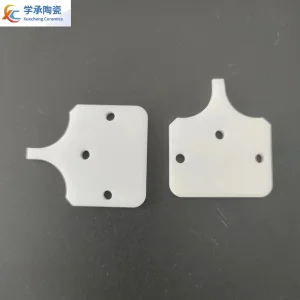
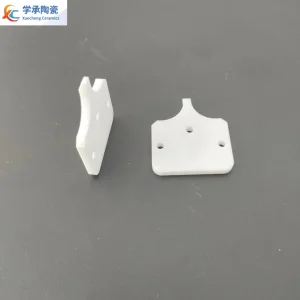
Zirconia derivative products such as high purity zirconia, Yttria stabilized zirconia(YSZ or Y-TZP), Magnesia stabilized Zirconia(MgO-PSZ), and Ceria stabilized Zirconia(CeO-PSZ), structural zirconia ceramics, etc. For the zirconia products have many excellent properties such as high hardness, high strength and toughness, super low chemical and mechanical corrosive, insulated in common temperature, and magnetic proofing, so they are extensively applied in optic, electronic, mechanical and chemical industry, etc.
Compared with the traditional metal and plastic appearance parts, Zirconia ceramics have the advantages of wear resistance, skin affinity, better air tightness and smaller electromagnetic shielding, so they are more suitable for Consumer Electronics Products such as Mobile and wearable equipment.
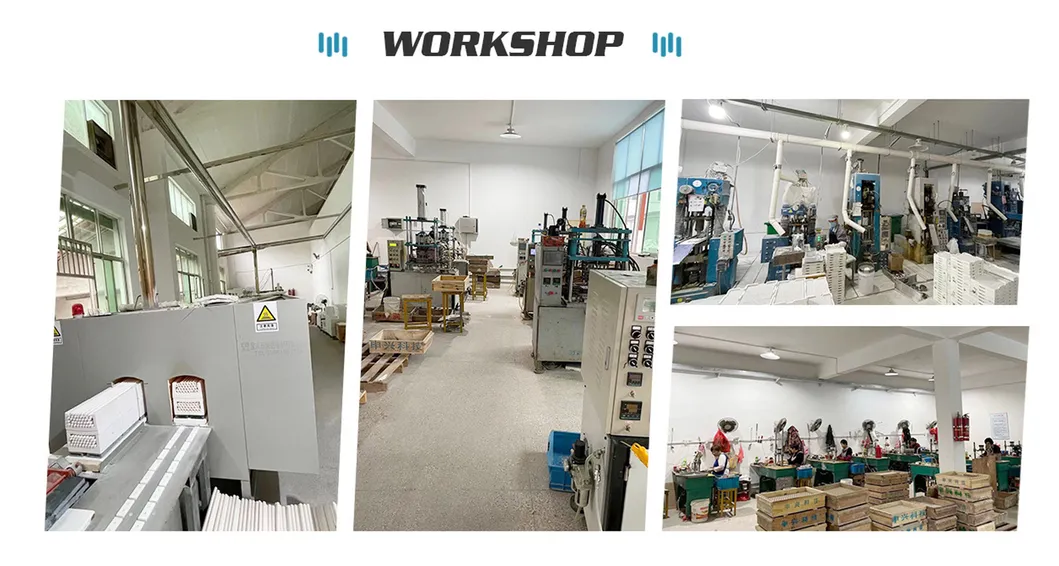
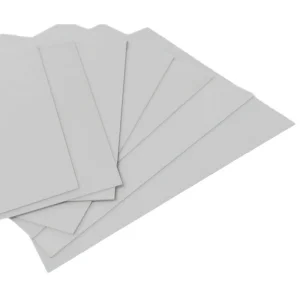
We can supply the ceramics products by kinds of forming process such as dry pressing, CIP(cold isostatic pressing), HIP(hot isostatic pressing), CIM(ceramics injection molding), gel-casting process, ceramic tape casting process, etc.
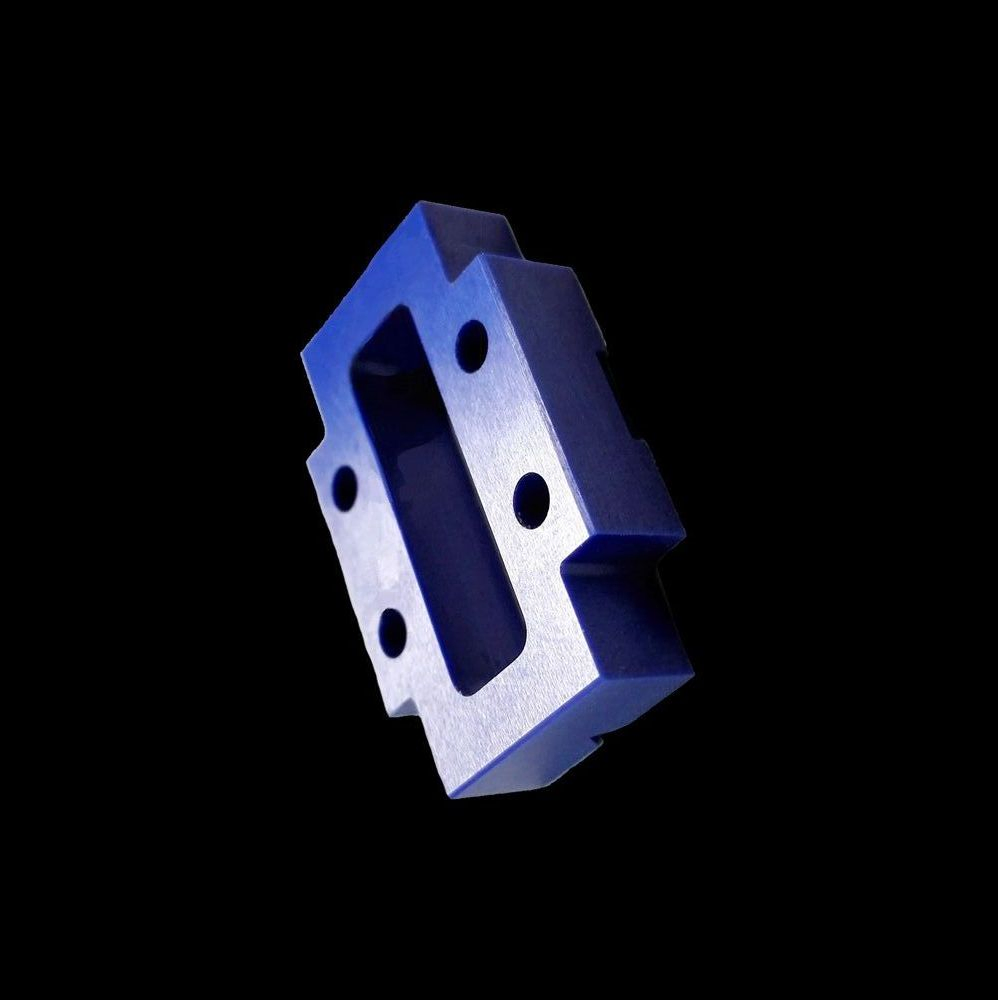
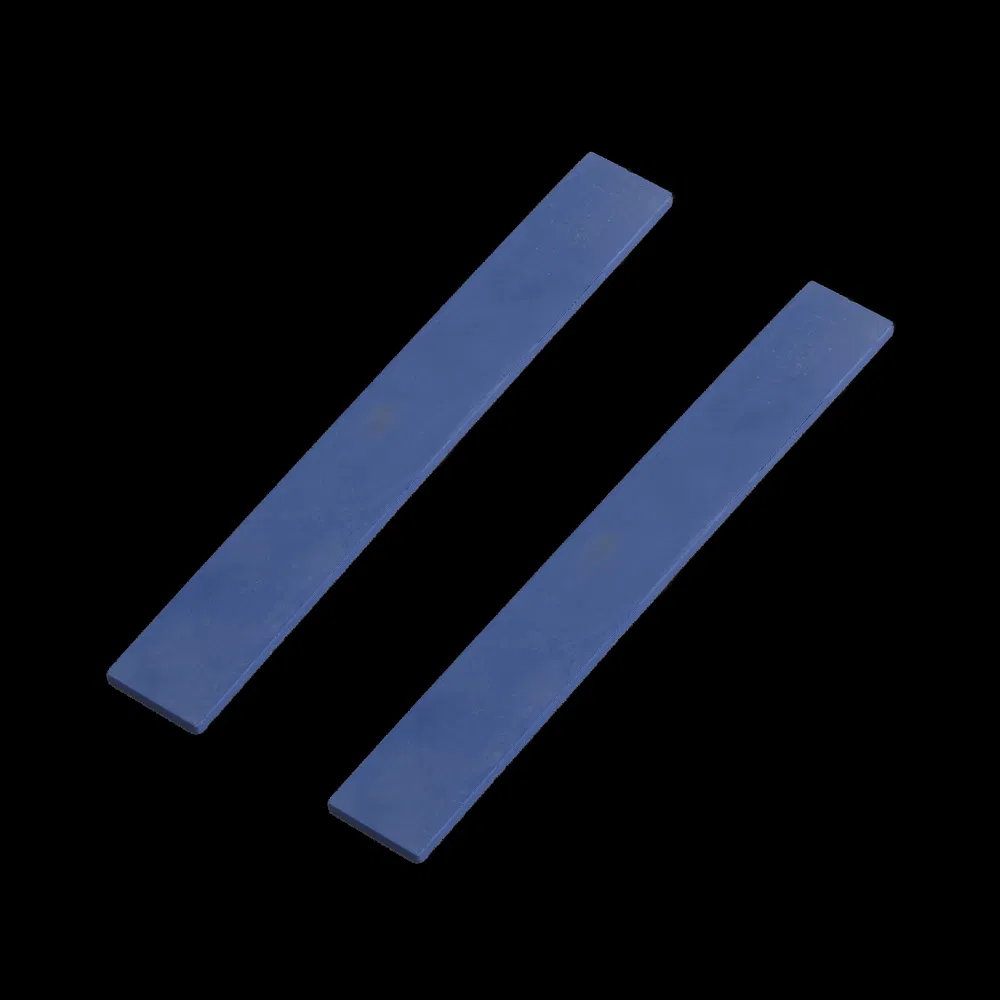
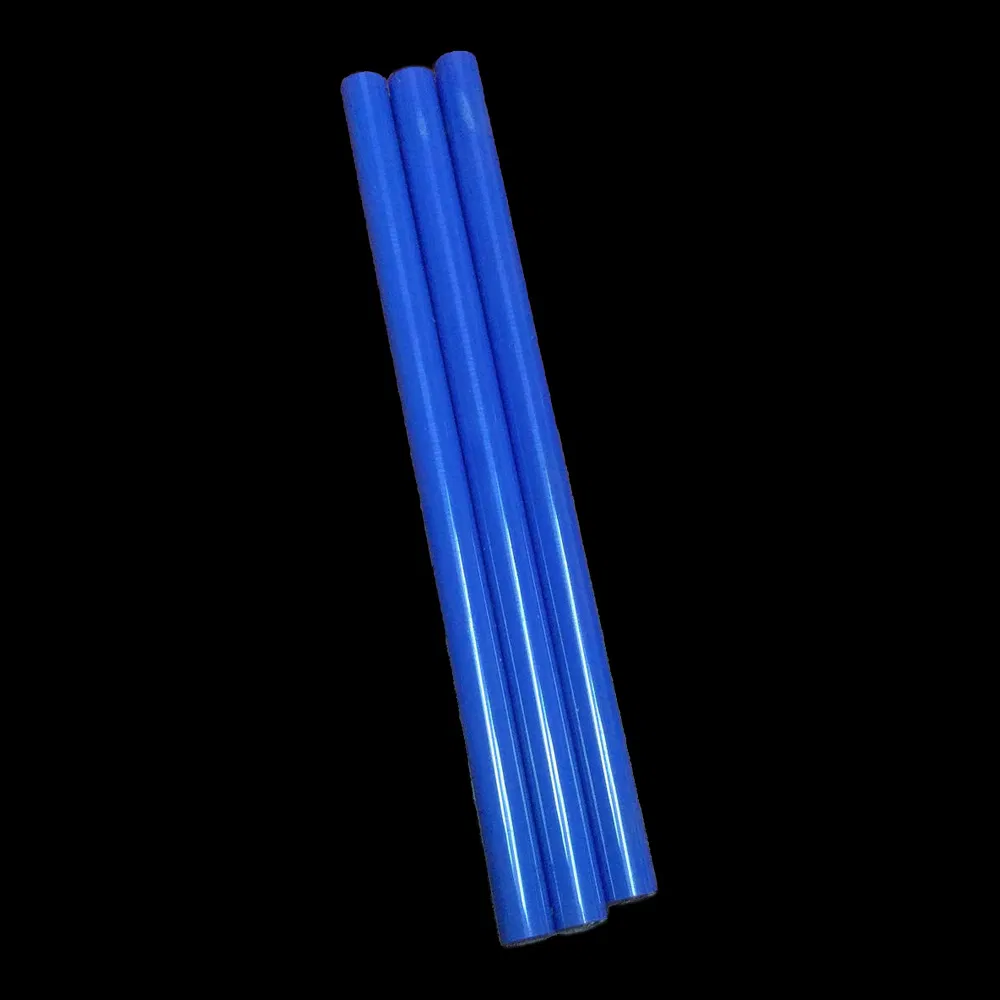
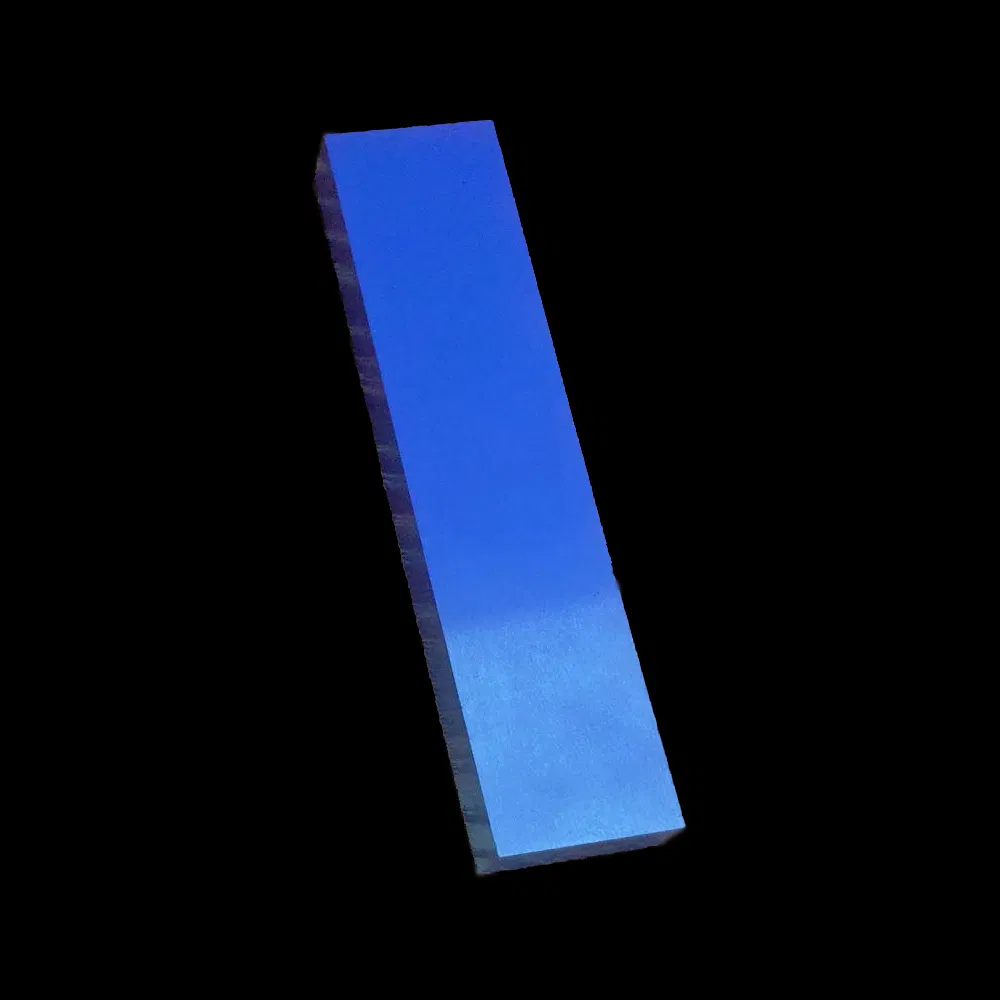
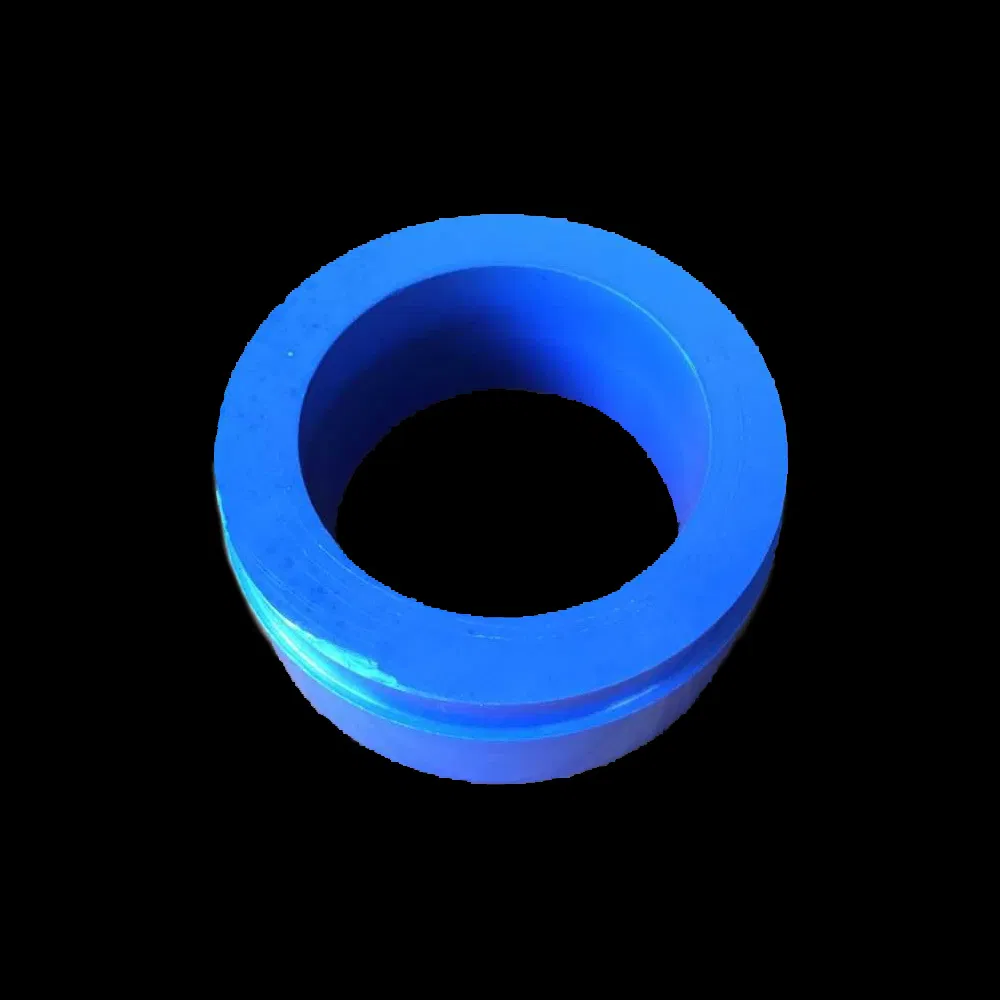
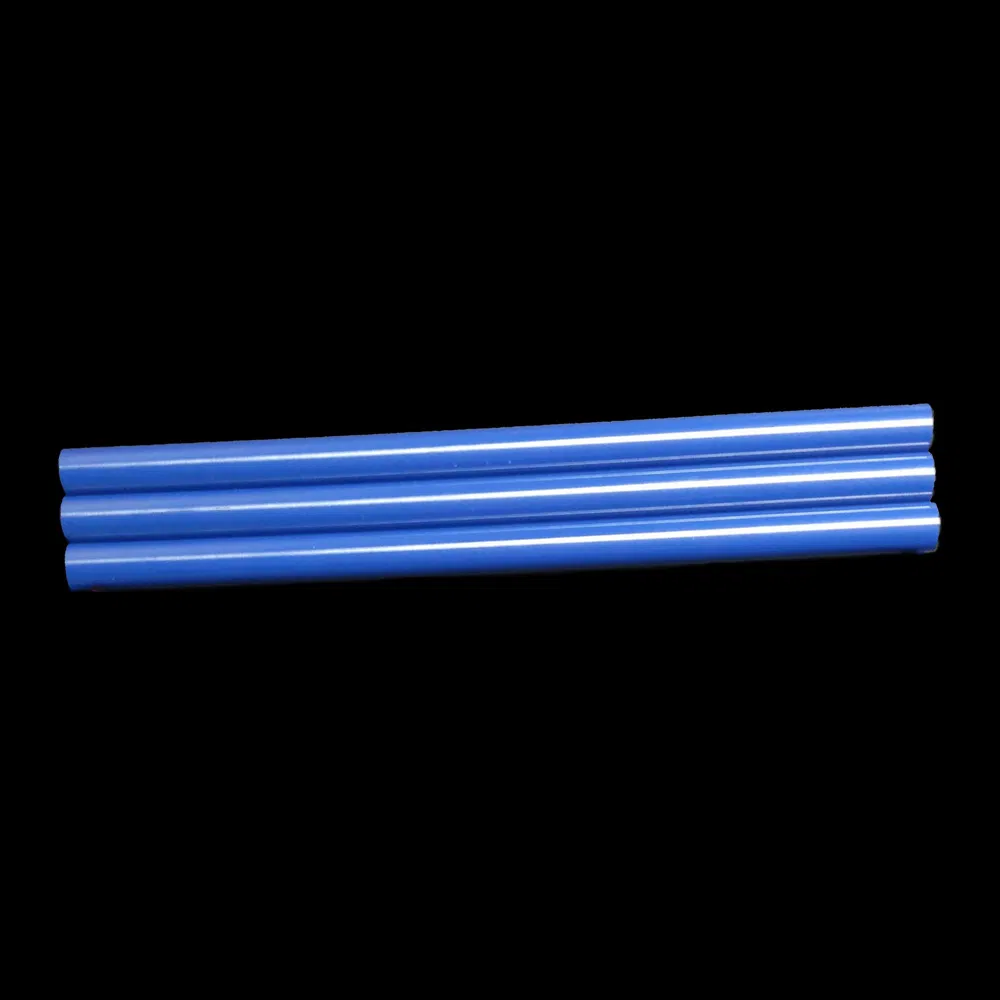
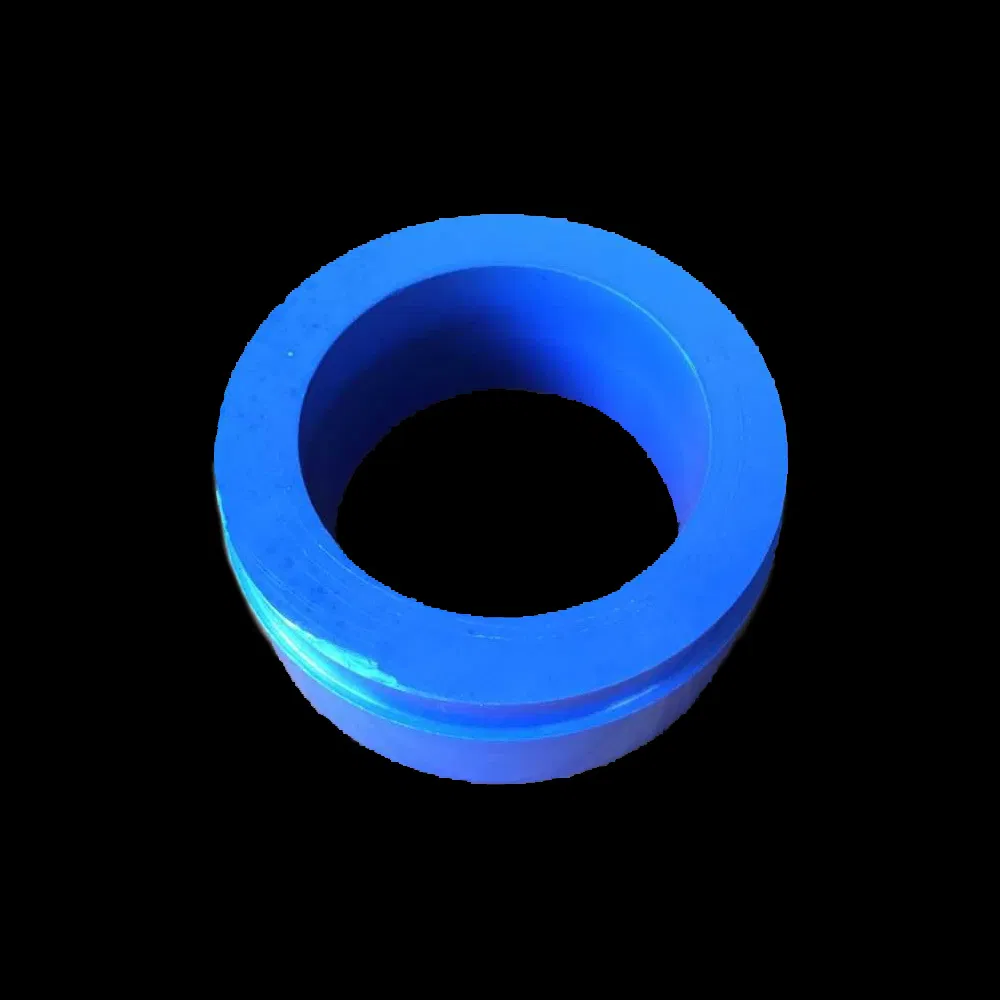
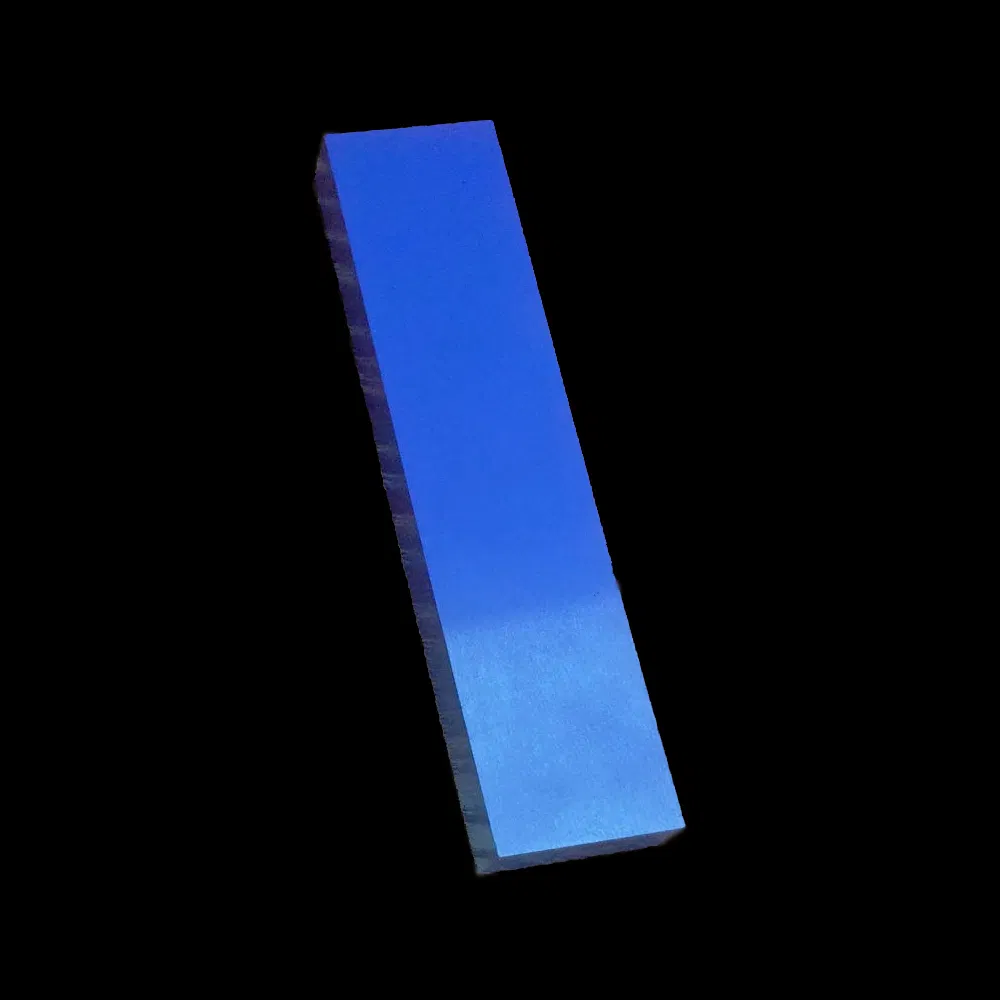
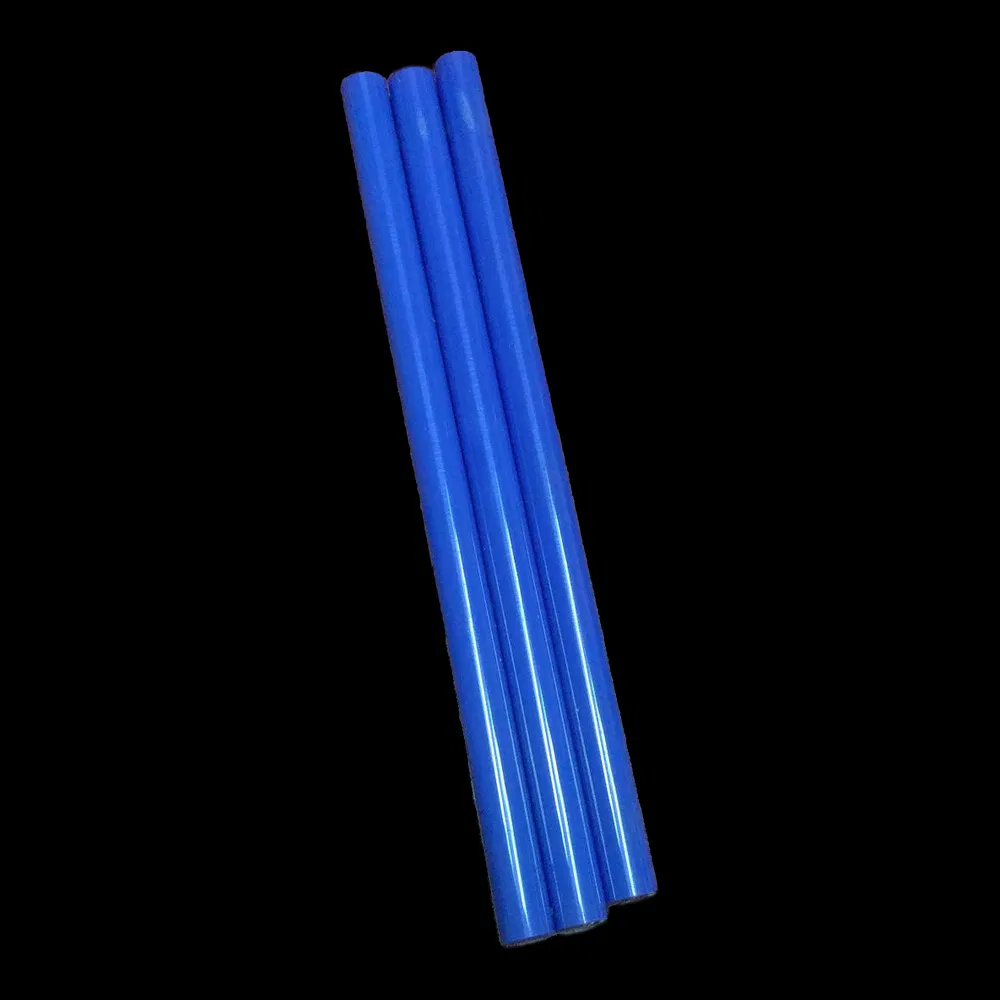
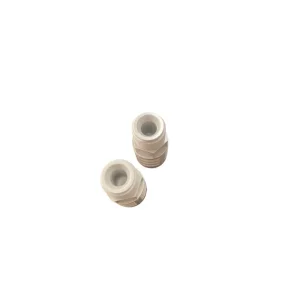
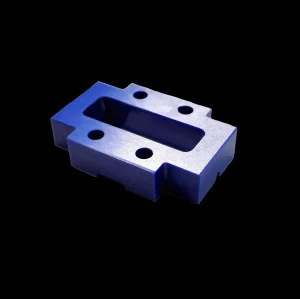
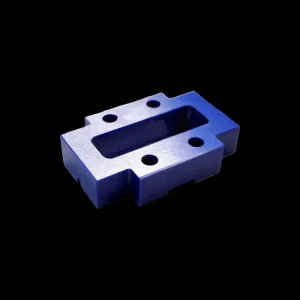
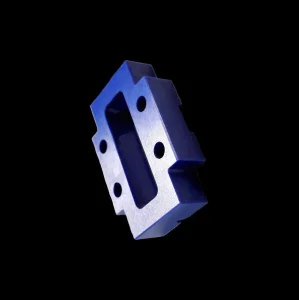
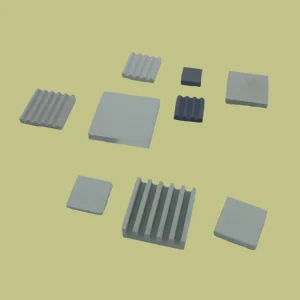
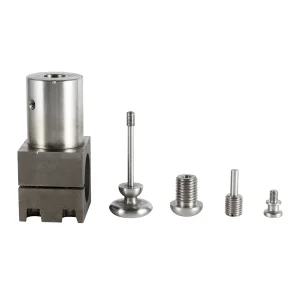
For the ceramics products shape, we commonly supply single shape such as tube, rod, ring, plate, block, ball, etc, we also supply great complex shape product with great high precision. By high precision machining we can supply the min 0.001mm tolerance products.
The products series include kinds of new materials such as structural products and functional ceramic products, such as Alumina, Aluminum Nitride, Zirconia, Silicon Nitride and Boron Nitride ceramics are the main products. Zirconia products have many excellent properties such as high hardness, high strength and toughness, super low chemical and mechanical corrosive, and magnetic proofing.
?
Frequently Asked Questions
Q1: What are the main advantages of Zirconia ceramics over metals?
Zirconia ceramics offer superior wear resistance, high hardness, chemical inertness, and lower electromagnetic shielding, making them ideal for high-precision and harsh environment applications.
Q2: What is the minimum machining tolerance you can achieve?
Through high-precision machining processes, we can achieve tolerances as low as 0.001mm for complex ceramic parts.
Q3: What types of forming processes are supported?
We support a wide range of forming processes including dry pressing, CIP (Cold Isostatic Pressing), HIP (Hot Isostatic Pressing), and CIM (Ceramic Injection Molding).
Q4: Are these ceramics suitable for consumer electronics?
Yes, their skin affinity, aesthetic finish, and excellent air tightness make them highly suitable for wearable equipment and mobile device components.
Q5: What are the typical shapes available for ceramic products?
We supply standard shapes like tubes, rods, rings, plates, blocks, and balls, as well as highly complex, custom-engineered precision components.
Q6: In which industries are these ceramics most commonly used?
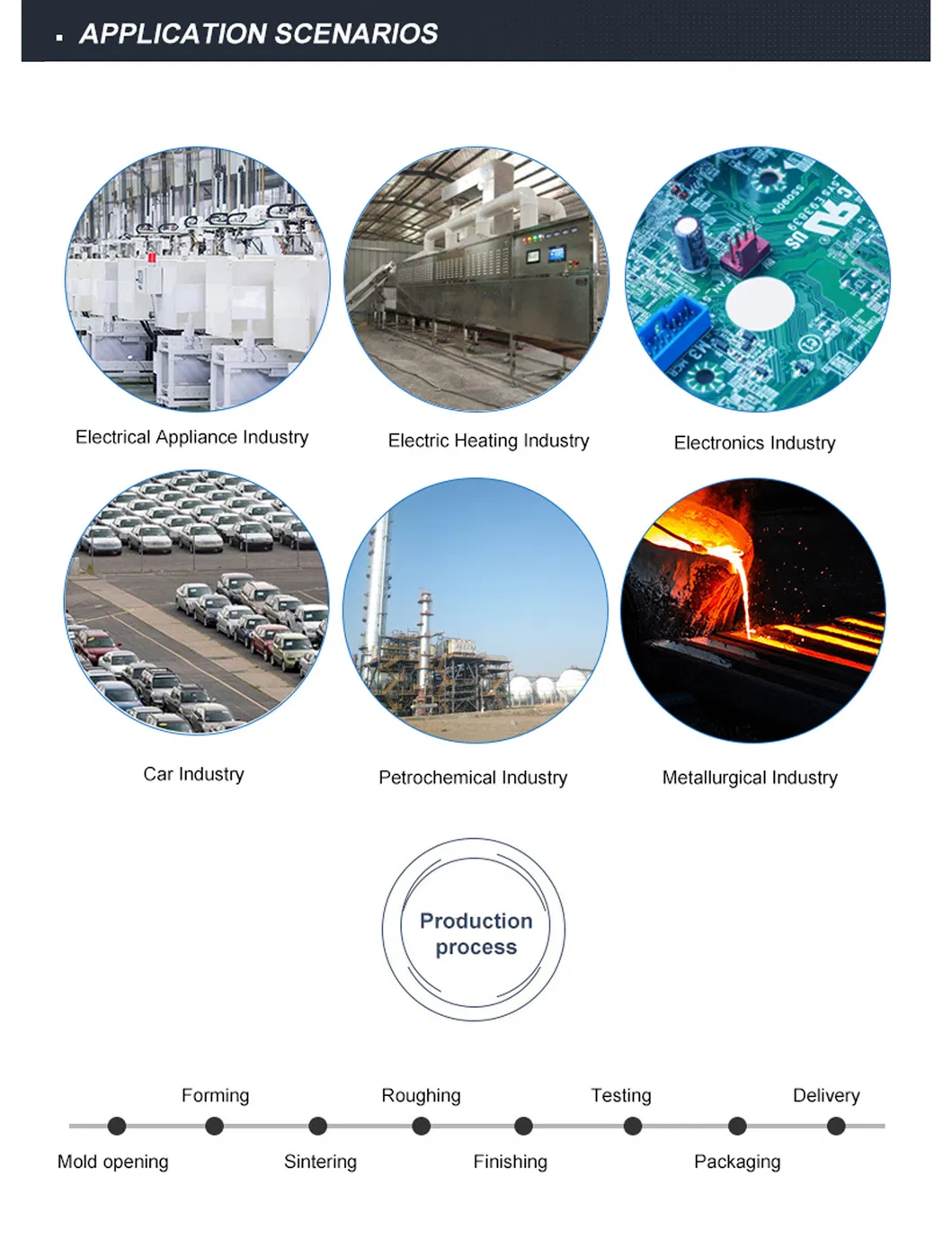
They are widely applied in the machinery, electronic, petroleum, chemical, aviation, textile, and medical apparatus industries due to their robust physical properties.
 Stylo Laser