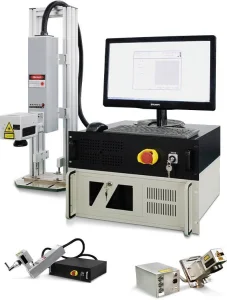
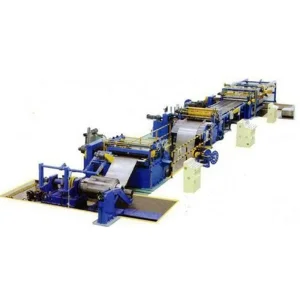
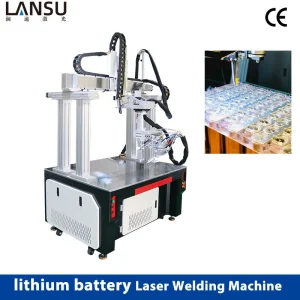
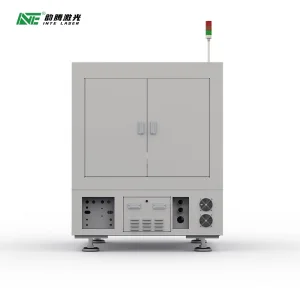
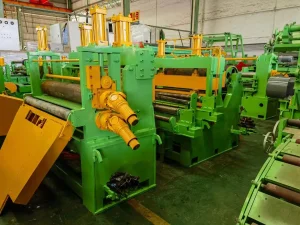
Explore our top-tier CE-certified laser processing and industrial material slitting machinery designed for heavy-duty applications.
A Pioneer in Enterprise Laser Integration and Industrial Material Processing Solutions.
Foshan Stylo Laser Co., Ltd. stands as a premier global manufacturer and exporter specializing in state-of-the-art industrial laser processing systems. Our technological focus is anchored on ceramic laser cutting machines and high-speed silicon steel laser cutting systems. We are dedicated to engineered solutions that prioritize micron-level precision, superior energy efficiency, and reliable long-term operational uptime under heavy industrial workloads.
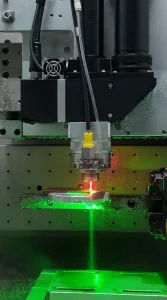
Our technologies merge fiber laser developments, complex multi-axis CNC configurations, and intelligent optical path systems. This integration guarantees clean kerf edges, minimizes Heat Affected Zones (HAZ), and prevents structural deformation in sensitive advanced materials such as electrical steel, structural ceramics, diamonds, and multi-layered semiconductor boards.
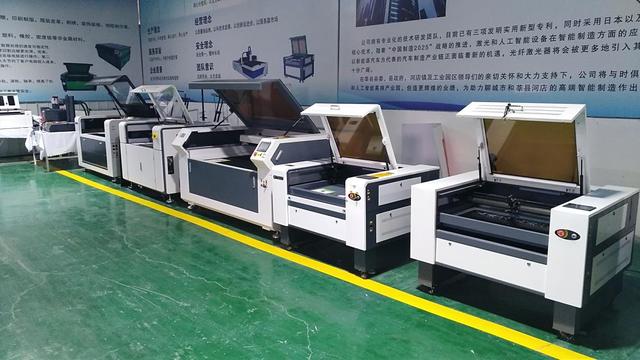
Precise thermal ablation without structural cracking for alumina, aluminum nitride, zirconia, glass, and synthetic diamonds.
High-efficiency cutting and slitting processes designed to minimize electromagnetic losses in transformer core laminations.
Sub-millimeter window cutting, PCBA routing, and CO2 profiling tailored for fast-paced semiconductor assembly houses.
Modern industrial production requires fast processing speeds, zero tool wear, and compatibility with automation. Traditional mechanical punching and blade slitting methods face challenges when handling advanced materials like electrical silicon steels or structural engineering ceramics. Mechanical stress induces structural micro-fissures, reduces the magnetic permeability of stator cores, and causes tool degradation. As a result, laser processing techniques have become essential in precision engineering.
Internationally, the transition to green energy infrastructure and electric vehicles (EVs) has driven a massive surge in demand for optimized silicon steel cutting. The stator and rotor laminations of modern EV drive motors rely on high-grade silicon steel. Fiber laser systems, integrated with high-accuracy slitting lines, allow manufacturers to perform complex cuts without compromising the steel's magnetic performance. Concurrently, the consumer electronics and power semiconductor sectors require micro-machined ceramic substrates (such as Alumina and Aluminum Nitride) for heat dissipation. Standard laser configurations often cause micro-cracks in ceramics due to thermal shock. Stylo Laser's research in short-wavelength and optimized pulsed laser technologies addresses these manufacturing challenges.
The development of laser cutting and micro-machining systems is moving toward faster pulse speeds, shorter wavelengths, and smart adaptive control. In micro-machining, using ultraviolet (UV) and ultra-fast lasers (femtosecond and picosecond) allows for cold ablation processes. These systems vaporize materials instantly without generating problematic heat zones. This process is essential for materials with high thermal conductivity or brittle structures, such as ceramics, glass, and diamonds.
For heavy industrial applications, the trend points toward multi-kilowatt fiber systems. These systems are supported by real-time optical path adjustments, dynamic focal alignment, and integrated vision inspection. The target is to combine high speeds with low gas consumption. Additionally, integrating closed-loop sensor networks allows systems to monitor cut quality in real-time, automatically adjusting feed rates and gas pressures to prevent defects.
A look at the milestones guiding Stylo Laser's future engineering developments and product rollouts.
Integrating different wavelengths (IR, Green, UV) into single processing workstations. By customizing the spatial intensity profile of the laser beam, we can process highly reflective metals (like copper and aluminum alloys) and brittle ceramic substrates with minimal structural damage.
Deploying smart cameras and optical sensors that monitor the cutting front in real-time. The system processes thermal emission data instantly, allowing the CNC engine to adjust laser power, frequency, and focal height on the fly to eliminate micro-cracking.
Developing fully automated material handling configurations. This connects laser systems with auto-loading, pallet changers, and slitting lines, creating continuous production lines that require minimal operator intervention.
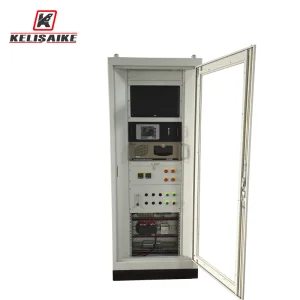
Improving the electrical-to-optical conversion efficiency of fiber laser units. Combined with our Continuous Emissions Monitoring Systems (CEMS), we help modern factories track and minimize their operational carbon footprint.
Industrial manufacturing requirements vary across sectors and locations. Foshan Stylo Laser designs custom solutions to meet these distinct needs, ensuring compliance with global manufacturing standards and CE regulatory requirements.
Challenge: Traditional mechanical slitting causes shear stresses and edge burrs on silicon steel, leading to eddy current loops and increased power transformer losses.
Solution: The integration of our high-speed Silicon Steel Slitting Line Machines with precision laser slitting upgrades. This preserves the grain boundaries of oriented electrical steel, maintaining optimal magnetic performance.
Challenge: Ceramic packaging materials like Alumina (Al2O3) and Aluminum Nitride (AlN) are brittle and crack under high thermal loads.
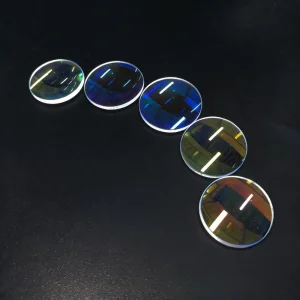
Solution: Our Advanced Laser Cutting System for Ceramics uses modulated pulsed fiber lasers and custom optic mirrors. This setup achieves clean cuts with kerfs under 20 microns without cracking the ceramic substrate.
Challenge: Welding large metal assemblies manually often leads to heat distortion, inconsistent penetration, and lengthy post-weld cleanup.
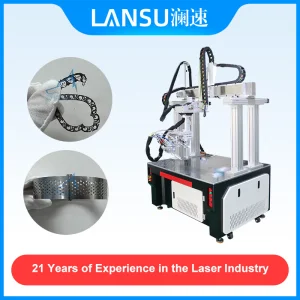
Solution: The Lansu Gantry Laser Welding System provides automated, high-precision deep penetration welding for large steel plates, ensuring consistent joint strength and clean welds.
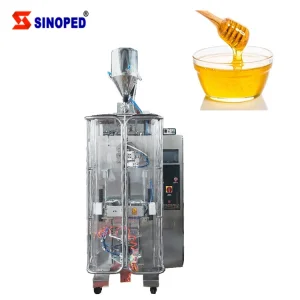
Challenge: High-speed liquid packaging lines require precise sealing, clean material cutting, and reliable continuous operation.
Solution: Our Multi-Function Fully Automatic Liquid Pouch Sauce Sachet Packaging Machine handles filling, sealing, and cutting within a compact, automated system designed for high output.
Industrial machinery exported to the European Union and global markets must meet strict safety and operational standards. Every system manufactured by Foshan Stylo Laser is built to comply with CE directives. This includes mechanical shielding, interlocked laser housings (Class 1 laser safety environments), integrated exhaust setups for gas byproduct capture, and electrical compliance with low-voltage directives. By prioritizing safety and environmental standards, we ensure smooth installation and operational approval for our international clients.
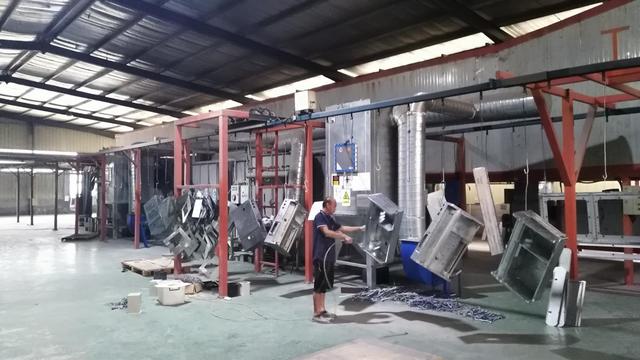
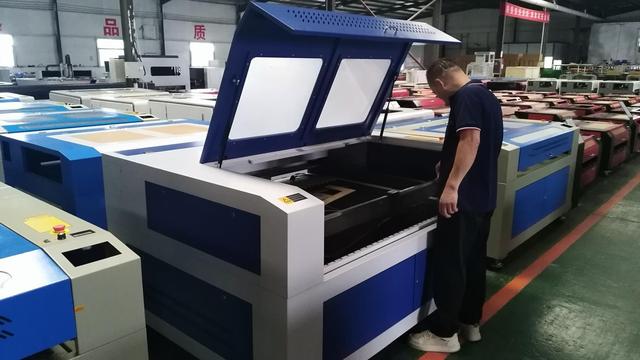
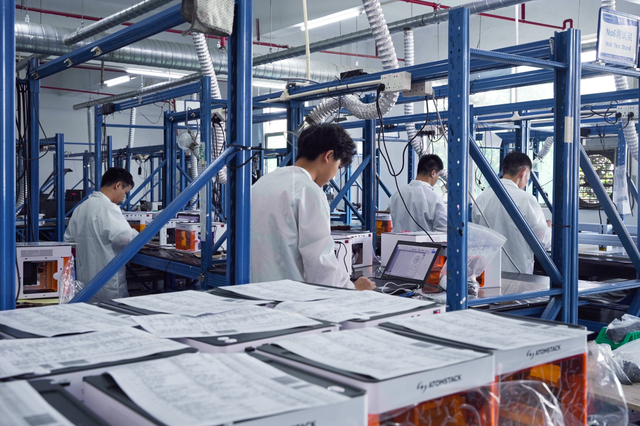
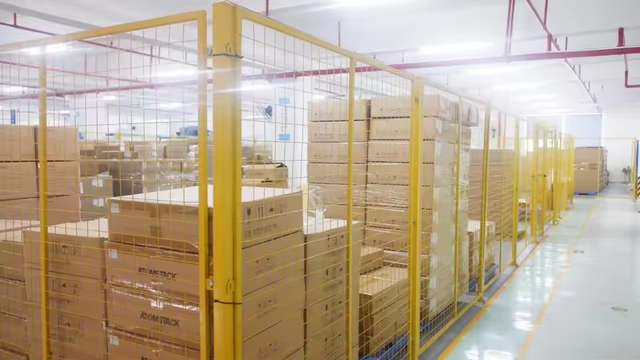
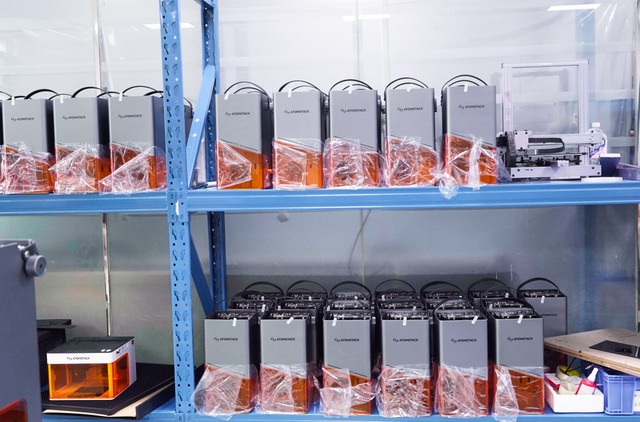
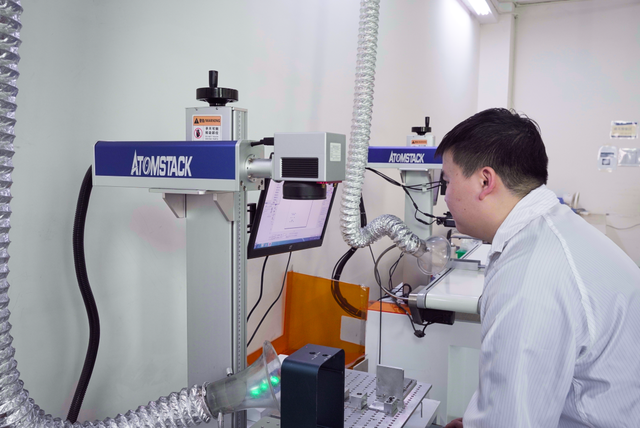
A look at the assembly lines, quality testing setups, and manufacturing systems at Foshan Stylo Laser.
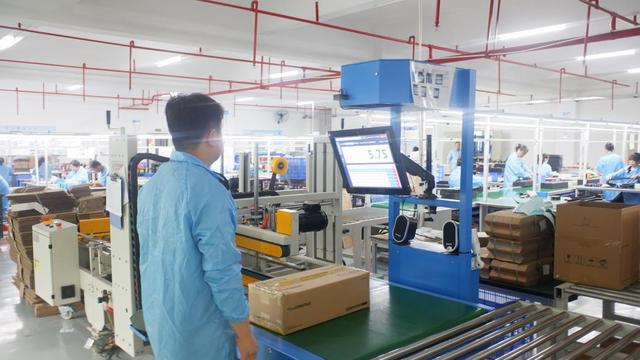
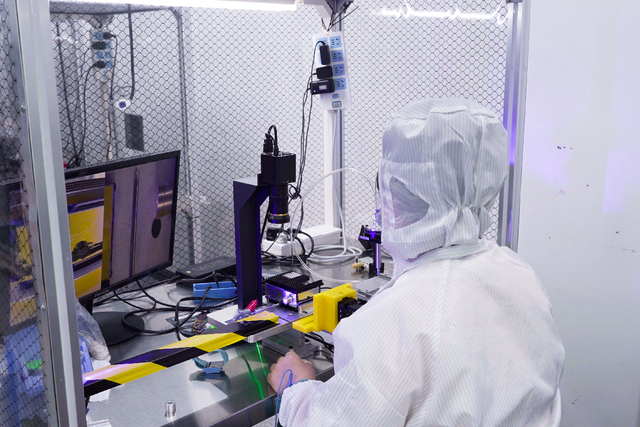
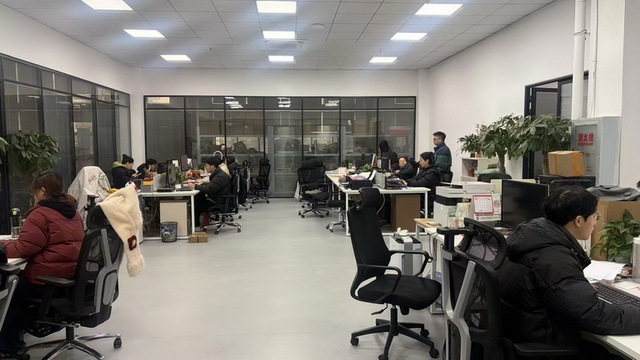
Get professional answers to common questions about laser wavelengths, material compatibility, and system customization.
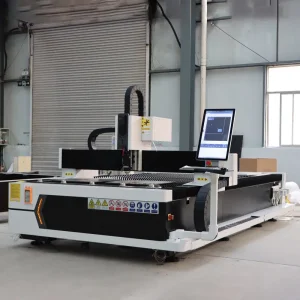
Additional specialized systems, micro-machining tools, and heavy-duty industrial machinery built for global manufacturers.
 Stylo Laser