Explore our flagship OEM/ODM laser optimization machinery engineered for high repeatability, minimum heat-affected zones (HAZ), and industrial zero-defect compliance.
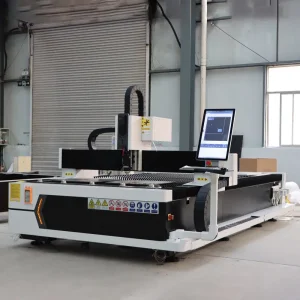
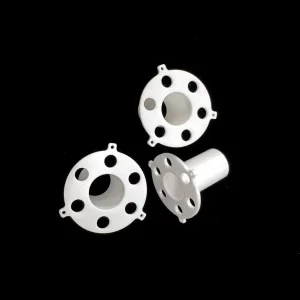
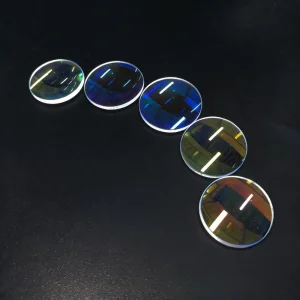
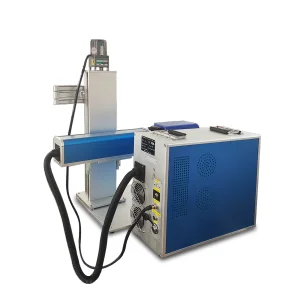
In modern advanced manufacturing, laser processing has evolved from simple thermal ablation to ultra-precise, state-optimized material transformation. Global procurement teams and industrial OEMs require specialized cutting solutions capable of handling sensitive engineering ceramics, high-permeability silicon steel laminations, dynamic FPC circuit boards, and micro-precision mechanical components without compromising structural integrity or electrical performance.
Optimization in laser cutting is defined by four fundamental physical parameters: Kerf Width Minimization, Heat-Affected Zone (HAZ) Reduction, M² Beam Quality Factor Dynamics, and Gas Dynamics Aerodynamics. When designing OEM/ODM systems, factories must synchronize fiber optics, dynamic autofocus cutting heads, and closed-loop motion control platforms to achieve maximum edge quality and throughput.
| Material Target | Laser Source Selection | Assist Gas / Pressure | Kerf Tolerances | HAZ / Thermal Stress Impact |
|---|---|---|---|---|
| Alumina Ceramics (Al2O3) | UV Picosecond / Femtosecond | Clean Dry Air / N2 (6–10 bar) | ±0.005 mm | Near-Zero (Sub-surface crack prevention) |
| Silicon Steel (Transformer Cores) | Single-Mode Fiber (1kW–3kW) | High-Pressure N2 (14–18 bar) | ±0.010 mm | <12 µm (Preserves magnetic domain magnetic flux) |
| FPC / Polyimide Flex PCB | 355nm UV Solid-State Laser | Process Air / N2 Assist | ±0.008 mm | Zero Carbonization (100% yield rate potential) |
| Sapphire & Technical Glass | Dual-Head Ultrafast Picosecond | Inert Gas Blanket | ±0.004 mm | No Micro-fractures / Optical Polished Edges |
Global enterprise equipment manufacturers cannot rely on off-the-shelf standard machinery. Industrial workflows demand modular OEM/ODM integration engineered around exact production footprints, automated material handling protocols, and custom software interfaces.
OEM/ODM Technical Customization Architecture: We provide full-stack mechanical, optical, electronic, and software modification—from custom linear-motor gantries capable of 2.5G acceleration to proprietary EtherCAT automated PLC handshakes for smart factory ecosystems.
Two of the most challenging material categories in modern precision manufacturing are advanced ceramics and silicon steel laminations. Traditional mechanical stamping or diamond scribing induces micro-cracking, burrs, and material degradation. Our OEM/ODM optimization solutions eliminate these bottlenecks.
Ceramic substrates are inherently brittle and prone to thermal stress fracture. By implementing ultrafast picosecond UV lasers with burst-mode frequency control, heat energy is deposited and vaporized faster than thermal dissipation occurs within the lattice structure. This guarantees micro-fracture-free kerfs, enabling ultra-fine pitch scribing and complex geometry drilling for semiconductor substrates, LED heat sinks, and anti-wear positioning plates.
In transformer core and EV electric motor stator manufacturing, conventional mechanical punch dies create edge burrs that short-circuit interlaminar insulation, drastically increasing hysteresis loss ($W/\text{kg}$). Our optimized single-mode fiber laser systems maintain burr heights below 5 µm while preserving the magnetic domain orientation of non-oriented and grain-oriented electrical steels, maximizing motor efficiency and energy conversion.
Sourcing OEM/ODM laser equipment from established manufacturing clusters in China, particularly within Foshan and the Pearl River Delta industrial corridor, provides unbeatable cost-efficiency, rapid technological iteration, and robust component sourcing resilience.
Immediate access to top-tier optical mirror lens fabricators, CNC frame casting plants, linear motor developers, and laser generator vendors within a 50km radius.
Turnaround times from dynamic CAD model validation to functional physical OEM prototype testing reduced from months to under 14 business days.
Achieve 35% to 50% capital expenditure (CapEx) savings compared to European or North American equipment vendors without sacrificing precision tolerances.
100% full-load aging tests, laser interferometer axis positioning calibration, and thermal stress mapping prior to export container loading.
Global enterprise buyers require ironclad compliance certifications and comprehensive field service agreements. Our OEM/ODM laser optimization solutions adhere strictly to international safety and quality standards to guarantee smooth customs clearance and seamless factory integration worldwide.
| Certification / Standard | Technical Scope & Framework | Global Operational Compliance Impact |
|---|---|---|
| CE Machinery Directive (2006/42/EC) | Full mechanical safety, emergency stop loops, dual-channel safety relays | Mandatory requirement for seamless EU market deployment |
| IEC 60825-1 Laser Safety | Class 1 fully enclosed housing design, safety interlocks, optical viewing windows | Ensures 100% workplace operator protection globally |
| ISO 9001:2015 Quality Management | Traceable assembly protocols, calibrated laser interferometry alignment | Guarantees zero-defect manufacturing consistency |
| RoHS & REACH Compliance | Hazardous substance elimination across circuit boards, optical coatings, cables | Environmentally safe industrial product lifecycle |
We provide remote IoT telemetry diagnostics for real-time laser source health monitoring, paired with rapid-dispatch local engineering technical support across North America, Europe, Southeast Asia, and the Middle East to ensure 99.8% equipment operational uptime.
The industrial laser cutting landscape is undergoing a massive transformation driven by artificial intelligence, ultrafast optics, and sustainable energy demands. Staying ahead requires integration of futuristic processing techniques into today's OEM machinery.
Neural-network algorithms calculate complex geometric kerf overlaps in real time, increasing raw material sheet utilization up to 96.5% and reducing skeleton scrap weight dramatically.
Variable Mode Beam technology automatically alters the laser beam density profile from Gaussian to Ring-mode on the fly, allowing seamless transitions from micro-thin scribing to thick plate cutting.
High-speed CMOS cameras integrated directly into the laser optic path analyze thermal radiation spectrums 10,000 times per second, dynamically adjusting laser power to prevent dross formation.
High-efficiency fiber lasers paired with nitrogen assist gas recovery units reduce total power consumption by 32%, supporting carbon-neutral factory metrics.
Our OEM/ODM laser optimization solutions are deployed globally across high-rigor sectors. Here are four real-world production line case studies illustrating performance in action:
Challenge: Excessive burrs on 0.2mm silicon steel laminations causing high electrical shorting risk.
Solution: Custom dual-head 2kW single-mode fiber laser with active N2 gas nozzle shielding.
Result: Burr height reduced to <3 µm; core iron loss decreased by 14%.
Challenge: Edge micro-cracks in 0.635mm AlN substrate dicing leading to thermal breakdown.
Solution: Picosecond UV 355nm laser system operating in burst-mode cold ablation.
Result: Zero structural micro-cracks; substrate yield increased from 82% to 99.4%.
Challenge: Thermal scorch marks on polyimide flex circuits during 0.15mm pad size windowing.
Solution: High-precision UV laser cutting equipment with galvo scanner and automated CCD vision.
Result: 100% yield rate potential with zero carbonization on sensitive copper traces.
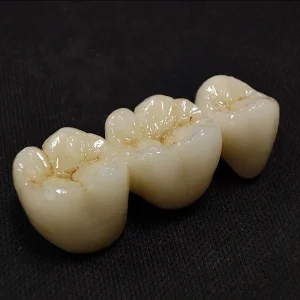
Challenge: Material chipping during complex crown contour machining.
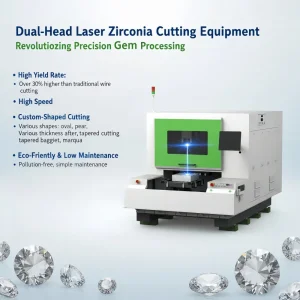
Solution: High-precision dual-head sapphire and zirconia laser processing system.
Result: Mirror-smooth edge finish requiring no post-process grinding.
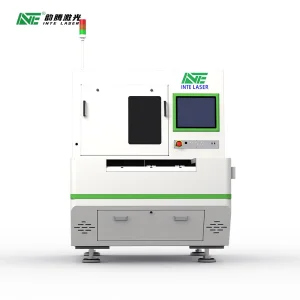
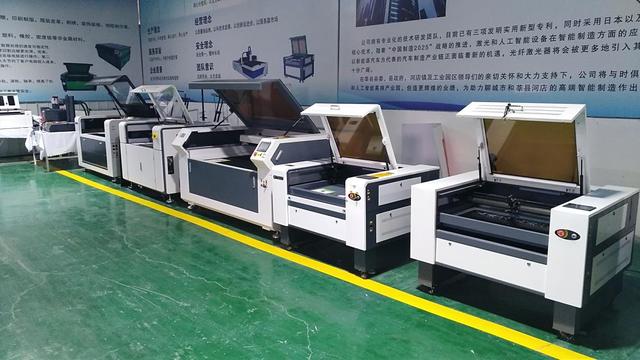
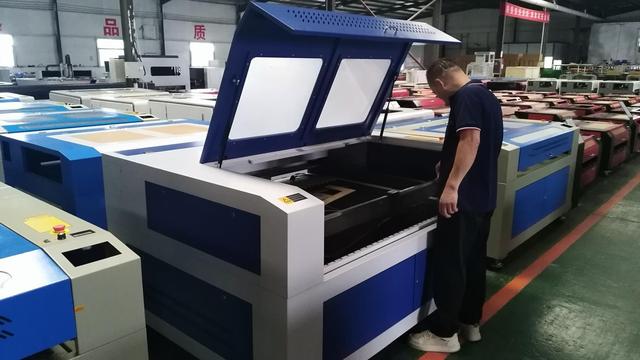
Foshan Stylo Laser Co., Ltd. is a professional manufacturer specializing in advanced industrial laser processing equipment, focusing on ceramic laser cutting machines and silicon steel laser cutting systems. The company is dedicated to delivering high-precision, high-efficiency laser solutions for modern manufacturing industries that require superior accuracy and stable performance.
Its core technology is applied in the processing of ceramic materials, electrical steel, and other advanced industrial materials used in transformers, electronics, energy systems, and precision components. By integrating fiber laser technology, CNC control systems, and intelligent automation, Foshan Stylo Laser provides cutting solutions that improve production efficiency while maintaining exceptional cutting quality and minimal material deformation.
The company’s equipment is widely used in industries such as power transmission, semiconductor manufacturing, electrical engineering, and high-end industrial manufacturing. It supports flexible production needs ranging from micro-precision cutting to large-scale industrial processing.
Foshan Stylo Laser Co., Ltd. emphasizes innovation, engineering excellence, and strict quality control. It also provides OEM and ODM customization services to meet diverse global customer requirements. With continuous investment in research and development, the company aims to advance laser processing technology and become a trusted global supplier of precision laser cutting solutions for ceramic, silicon steel, and advanced industrial materials.
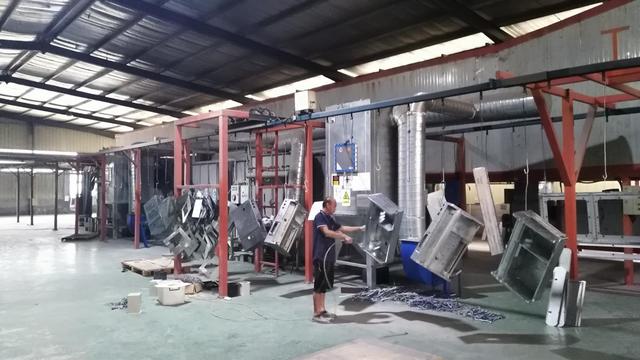
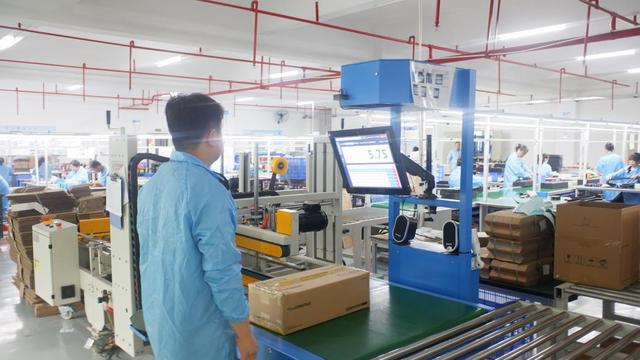
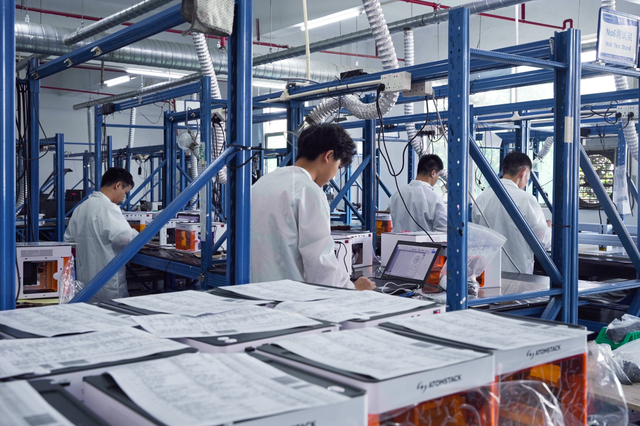
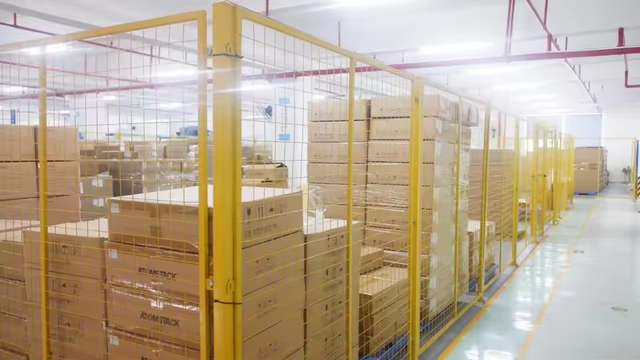
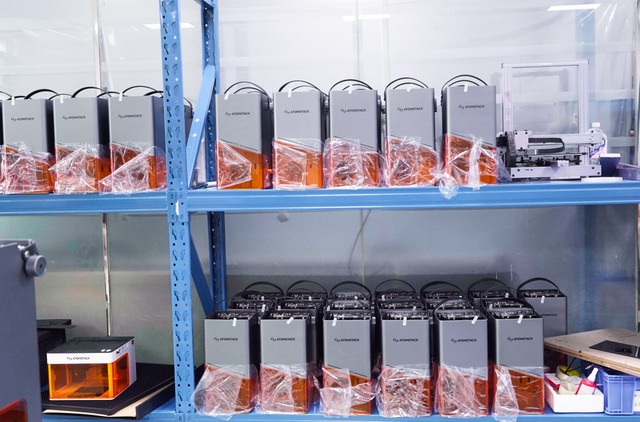
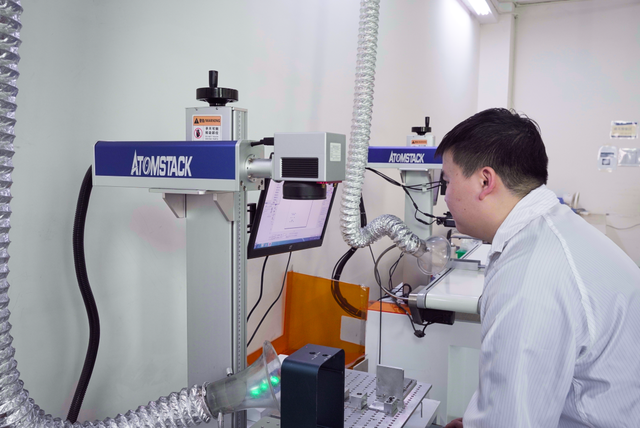
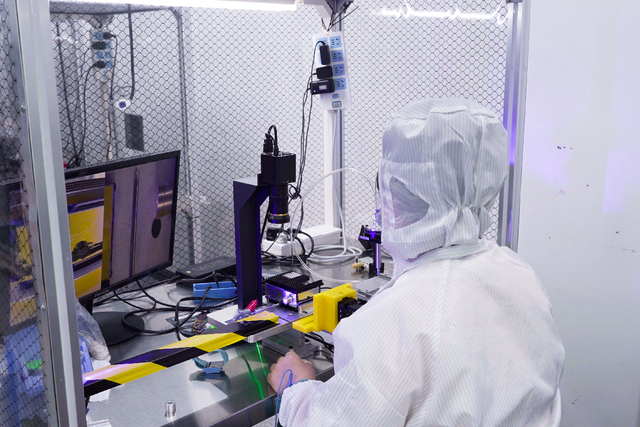
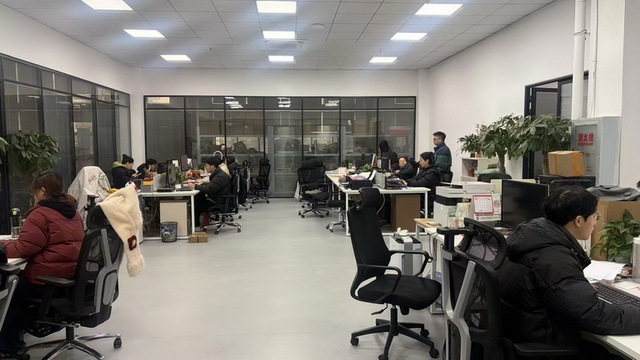
Complementary industrial solutions including 3D printing porosity testing, smart warehousing automation, high-yield FPC cutters, refractory ceramics, and metal processing lines.
In-depth expert answers addressing technical procurement queries, kerf width tolerances, material behavior, and OEM customization protocols.
Kerf width optimization directly influences the physical dimensional accuracy and minimum feature size achievable on a sheet or substrate. By fine-tuning beam expansion ratios, numerical aperture (NA), and focal spot sizes down to sub-20 µm diameters, our OEM systems achieve kerf repeatability of ±0.003 mm. This is critical for micro-electronics, silicon steel slots, and medical ceramic components where tight nesting tolerances prevent mechanical binding.
Ceramics like Alumina (Al2O3) and Aluminum Nitride (AlN) suffer from extreme brittleness and low thermal shock resistance. CO2 and nanosecond fiber lasers generate significant Heat-Affected Zones (HAZ), inducing micro-cracks that propagate during thermal cycling. Picosecond UV (355nm) lasers utilize "cold ablation"—delivering energy in pulse durations shorter than electron-phonon coupling time. This vaporizes ceramic bonds directly without transfer of heat to surrounding lattices, guaranteeing clean edges with zero micro-fracturing.
Mechanical stamping causes physical stress and severe burrs that break interlaminar varnish coatings, resulting in increased eddy current and core hysteresis losses (W/kg). Optimized single-mode fiber lasers with high-pressure nitrogen gas flush vaporize silicon steel cleanly, maintaining burr heights under 5 µm. Thermal stress is localized within a narrow <12 µm boundary, preserving the grain-oriented magnetic domain structure vital for high-efficiency EV traction motors and power transformers.
We offer complete end-to-end hardware and software integration. Hardware options include automatic dual-pallet exchange tables, robotic arm loading/unloading interfaces, custom optical beam delivery gantries, and multi-camera CCD vision recognition. Software modifications include custom CNC user interfaces, automated QR-code job fetching, and direct EtherCAT / Profinet connectivity to central MES database networks.
All our laser systems comply fully with CE Machinery Directive 2006/42/EC and international laser safety standard IEC 60825-1 (Class 1 fully enclosed configurations). Electrical cabinets are designed according to UL 508A and CSA standards with dual-channel safety relays, certified laser safety glass windows, and active interlocking doors to guarantee global regulatory compliance.
Standard OEM customized configurations typically require 20 to 30 business days from engineering CAD sign-off to full factory acceptance testing (FAT). Fully custom ODM projects involving unique bed designs, dynamic multi-head optical splitting, or automated robotic line integration generally take 45 to 60 days, including comprehensive laser interferometer calibration and test cutting.
Our equipment features encrypted IoT telemetry gateways allowing our factory software engineers to perform real-time diagnostics, laser source health monitoring, and firmware updates remotely. For physical field maintenance, we partner with regional field engineering hubs in North America, Europe, and Southeast Asia to dispatch certified technicians within 48 hours.
AI-driven nesting software continuously calculates non-linear part geometry overlaps, automatic common-line cutting paths, and bridge-ties in real time. By optimizing lead-in trajectories and micro-joint placements, material yield rates increase from the industry average of 80–85% to over 96.5%, delivering substantial material cost savings over high-volume OEM production runs.
 Stylo Laser