Stylo Laser
1 / 5

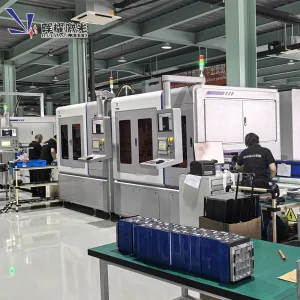
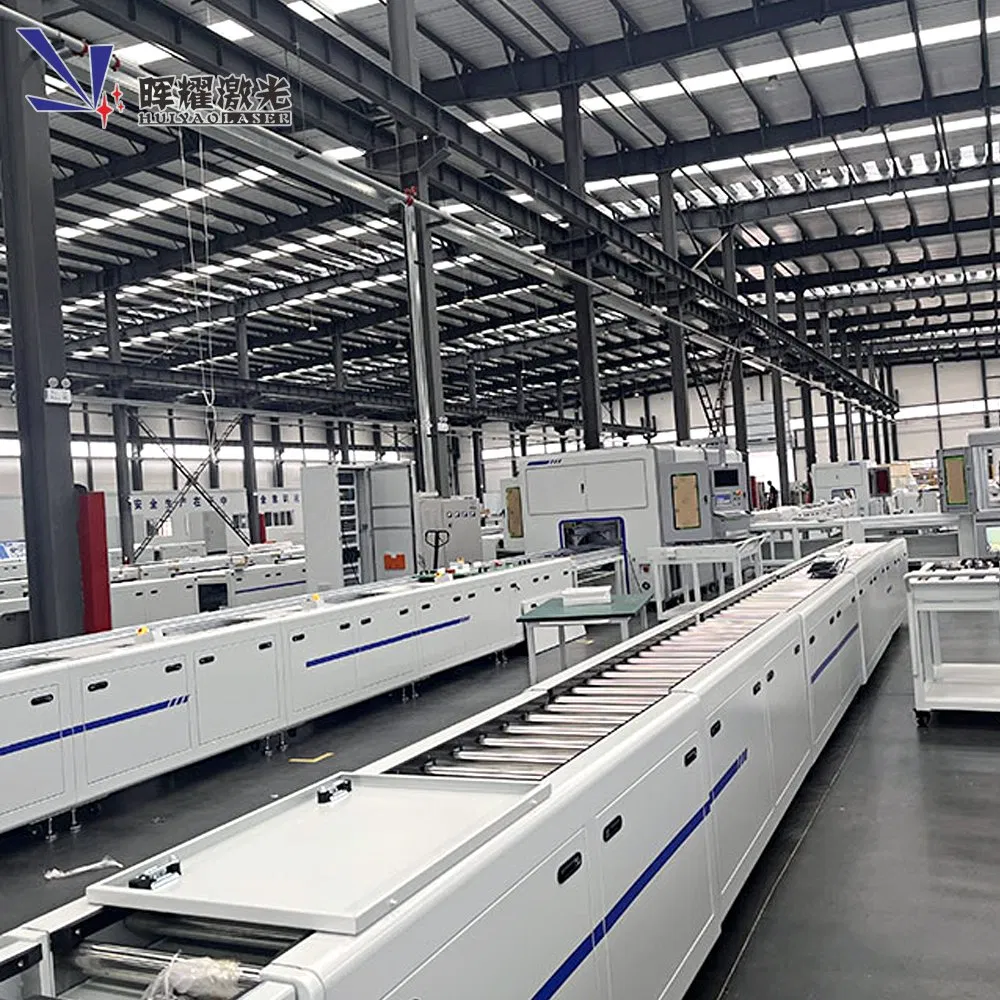
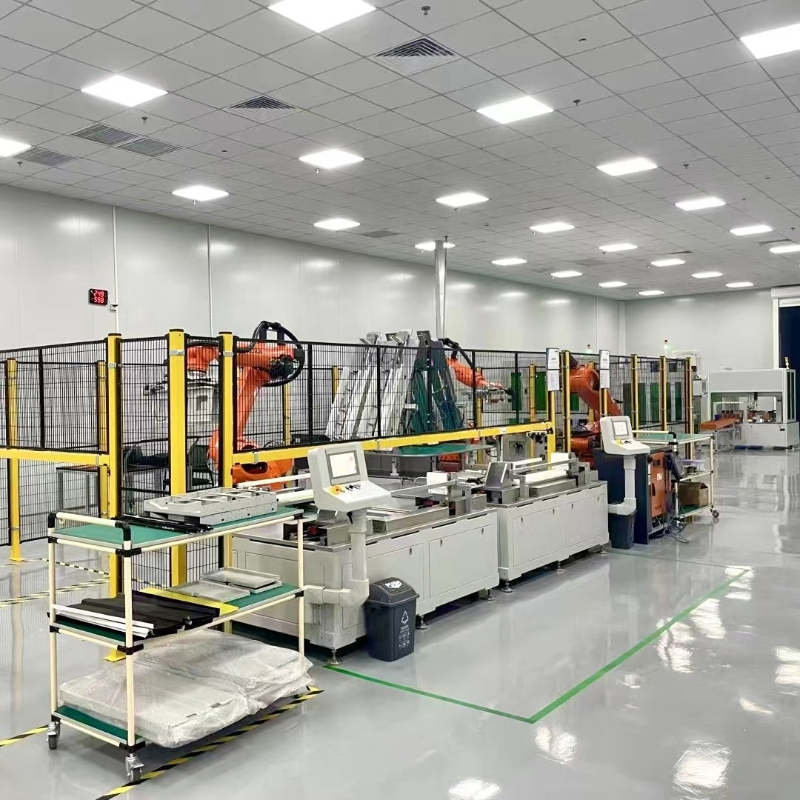
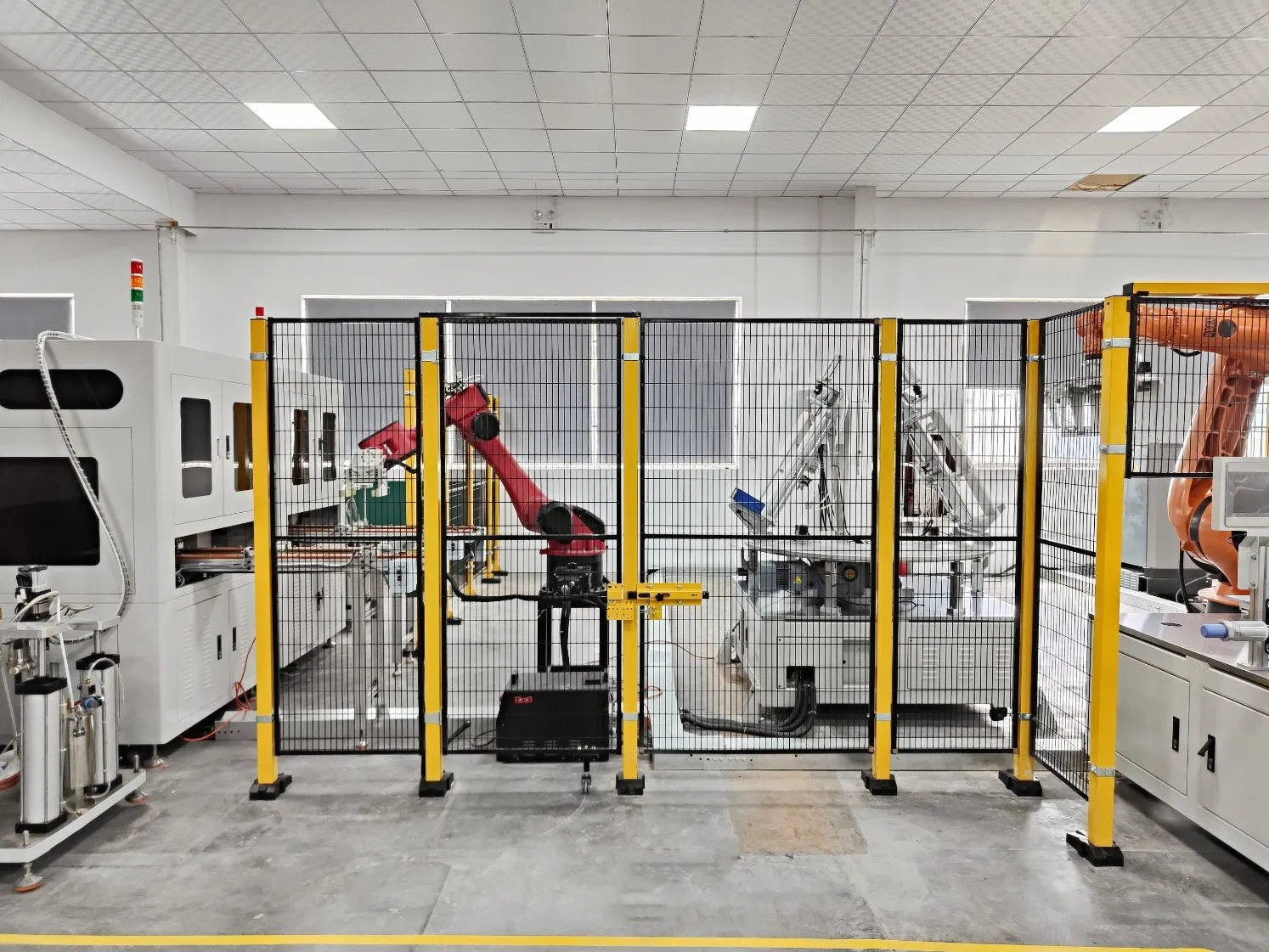
Lithium Battery Component Overview
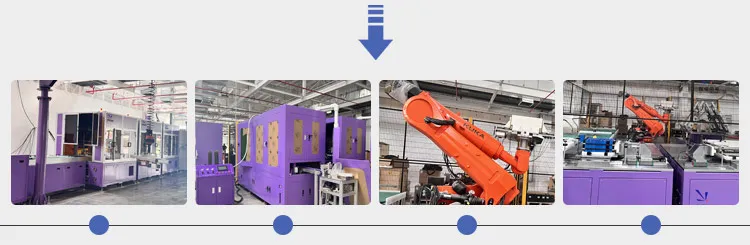
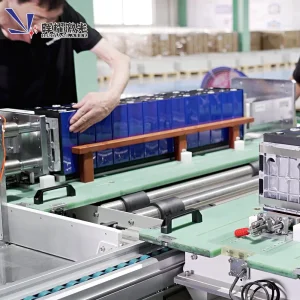
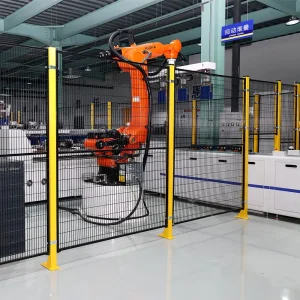
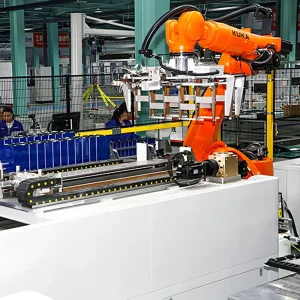
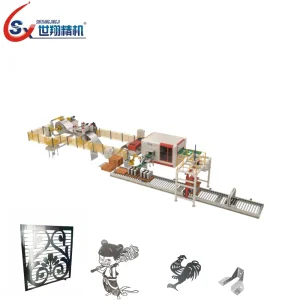
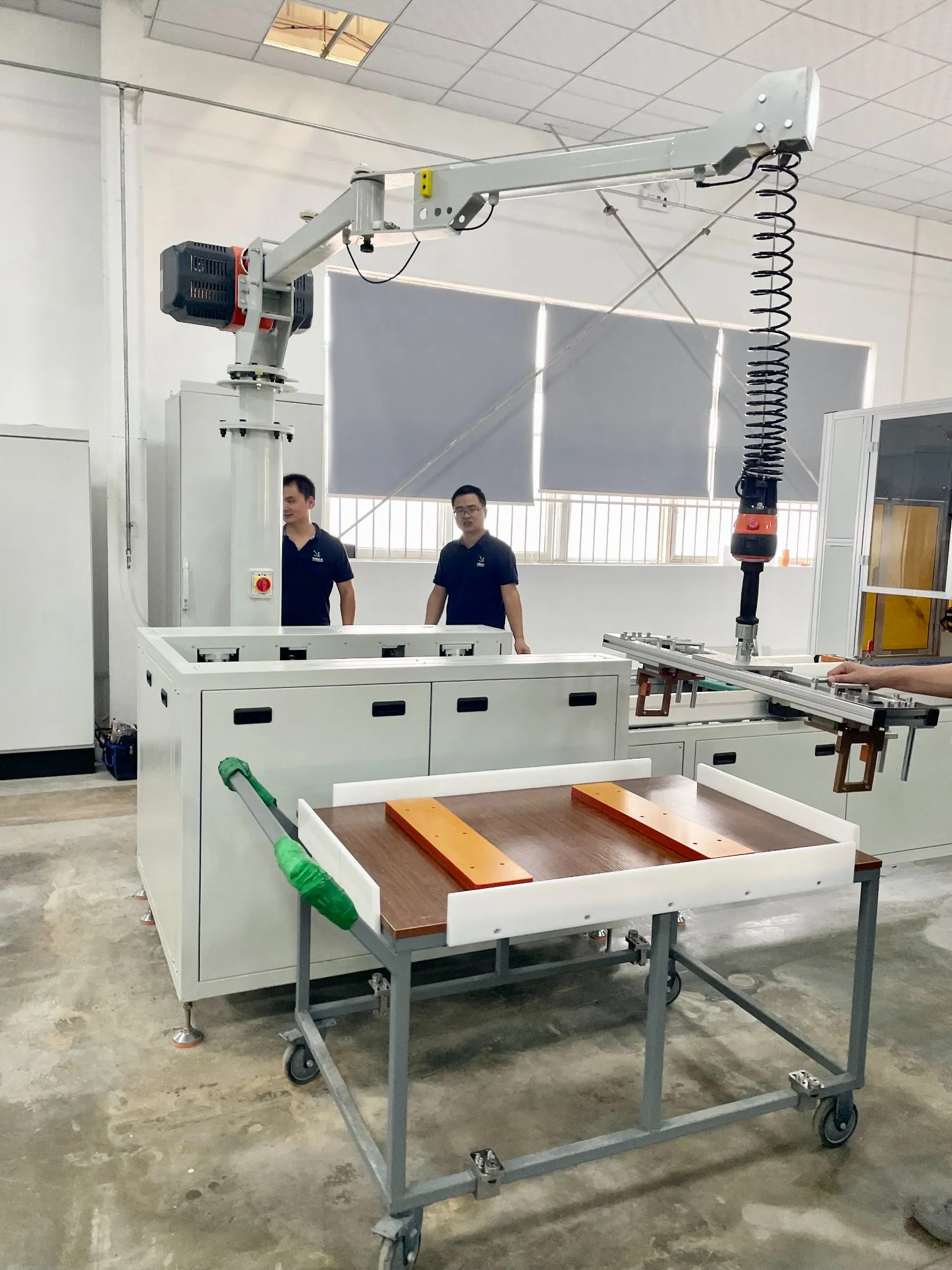
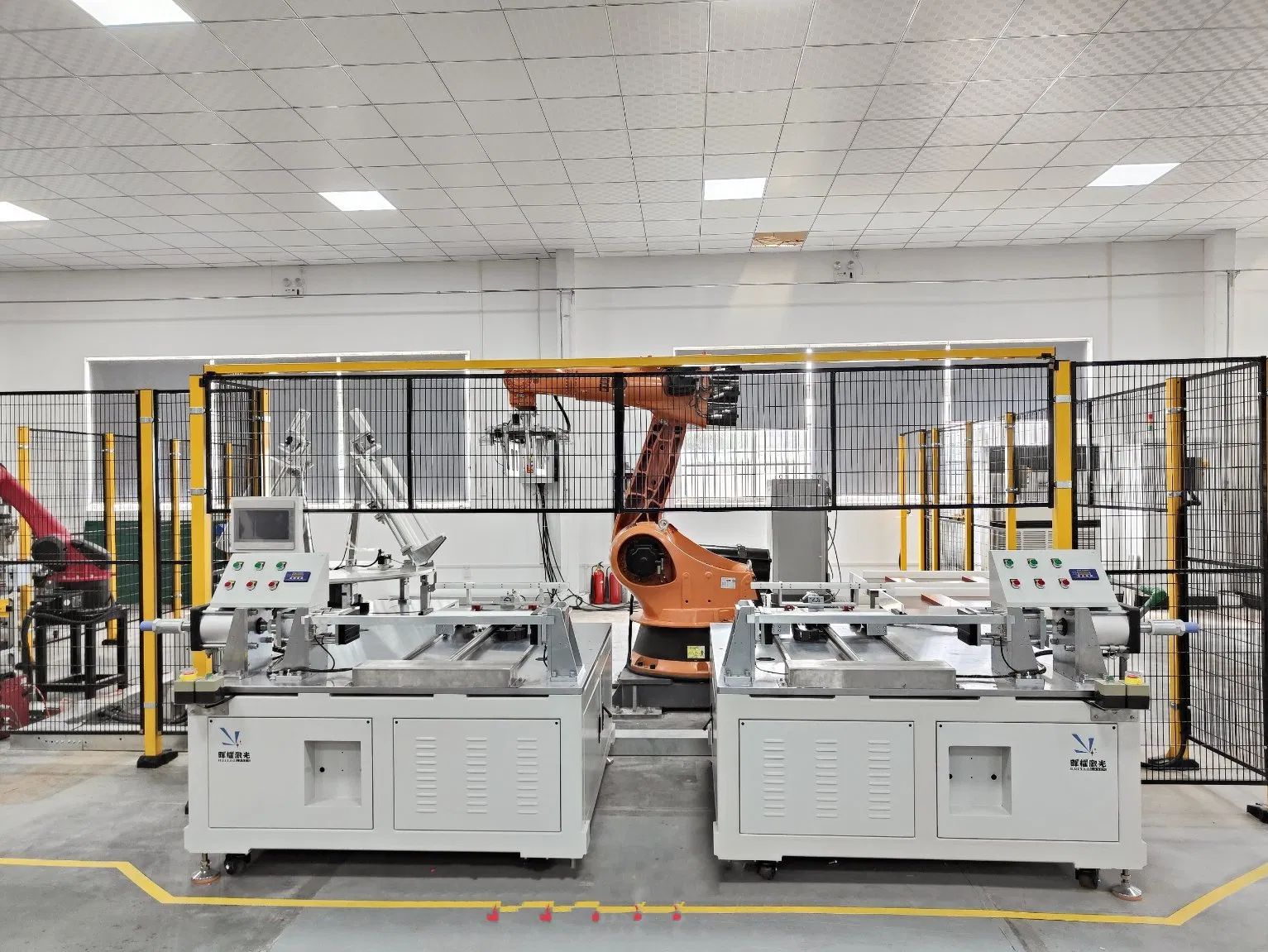
1.Online cantilever crane | 2.Plasma cleaning & gluing | 3.Module stacking with robot | 4.Module pressing
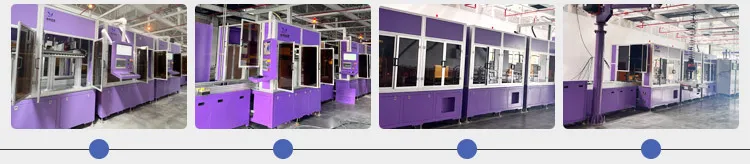
5.Pole photograph | 6.Laser cleaning | 7.Laser welding | 8.Offline cantilever crane

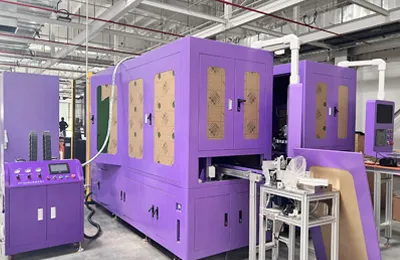
Compatible with a variety of sizes of module specifications, offering quick type change capabilities.
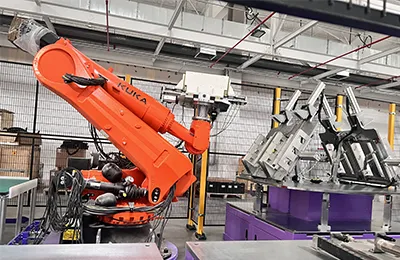
Realize intelligent chemical stations and significantly reduce the labor load of personnel.
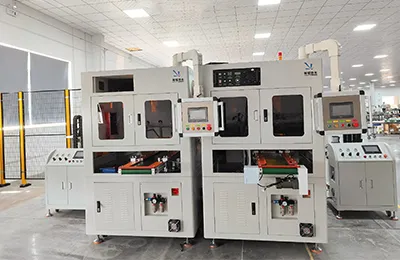
The battery cell section is flexibly associated with the module welding section and can be operated independently.
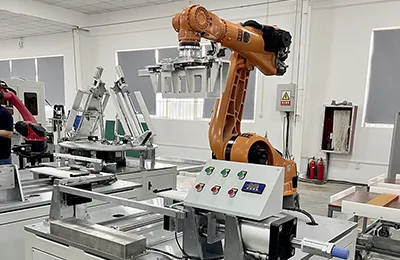
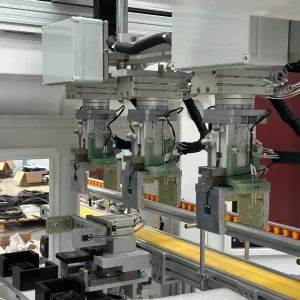
Equipped with cell sorting, plasma cleaning, cell gluing, and automated cell stacking systems.
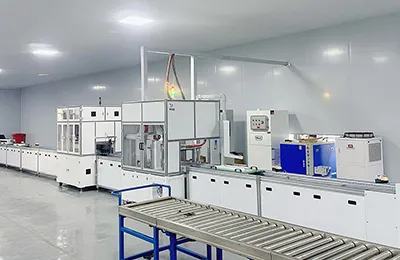
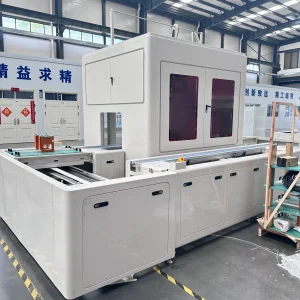
Welding section features module scan code binding, pole cleaning, laser welding, and post-welding EOL detection.
| XYZ Travel | Customizable |
| R Axis | Optional, 360° rotation |
| Position Accuracy | ±0.02mm |
| Repeatability Accuracy | ±0.01mm |
| Motion Source | Step motor or Servo motor |
| Max Speed | 500mm/s |
| Cooling Method | Water cooling |
| Laser Wavelength | 1080nm |
| Observation System | CCD system |
| Welding Penetration | 0.1~3.0mm |
| MOQ | 1 set |
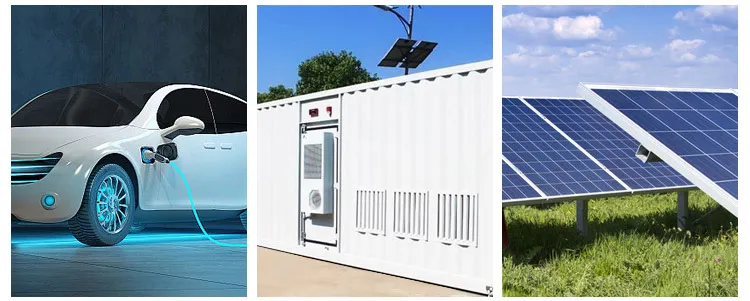
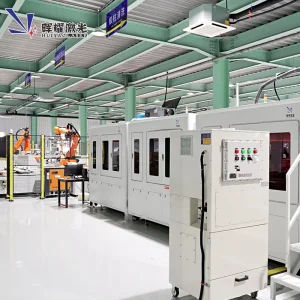
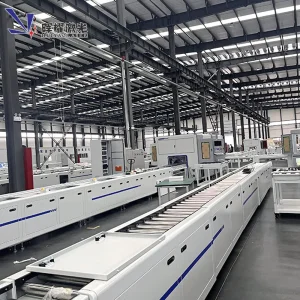
The application range of lithium battery module assembly production line is very wide, including electric vehicles, energy storage equipment, solar photovoltaic and other fields.
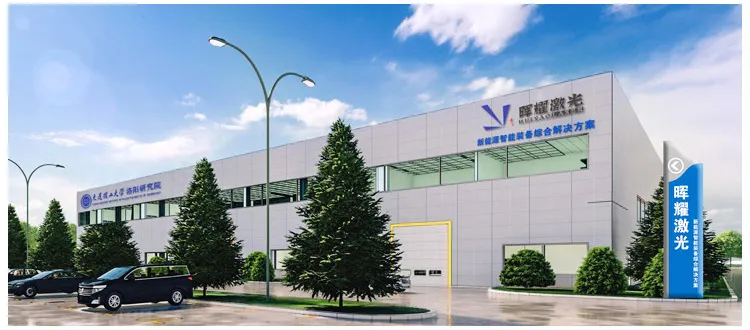
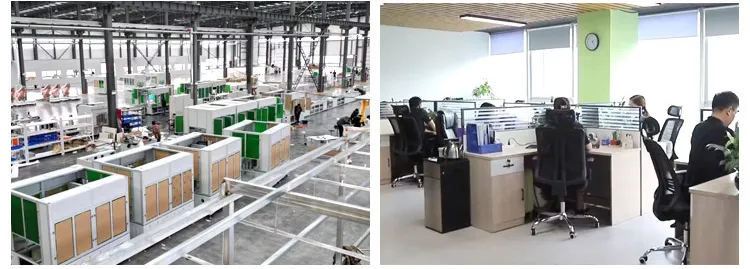
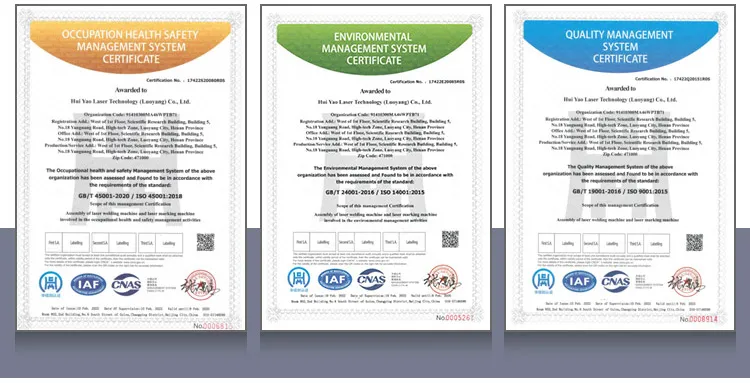
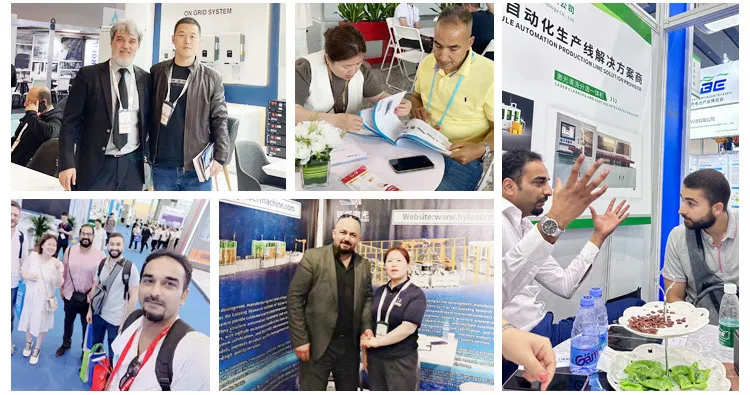
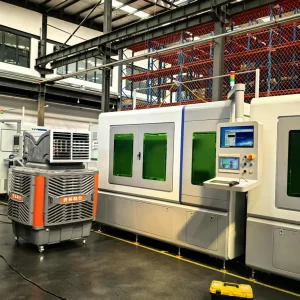
A high-tech enterprise specializing in research and development, manufacturing, and sales of equipment in the new energy industry. The facility covers more than 10,000 square meters with multiple automated production lines and advanced processing equipment.