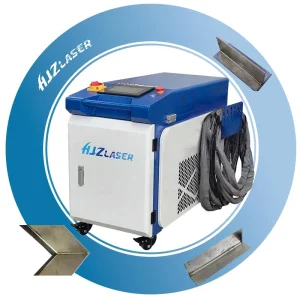
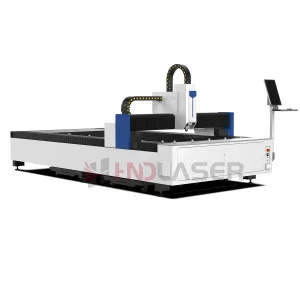
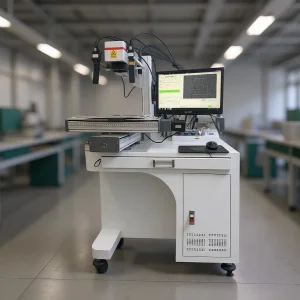
Foshan Stylo Laser Co., Ltd. stands at the intersection of precision physics and advanced automated manufacturing, engineering world-class custom systems.
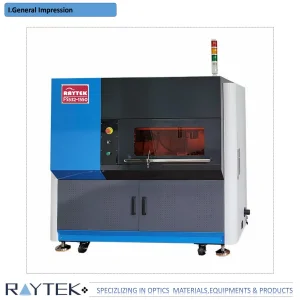
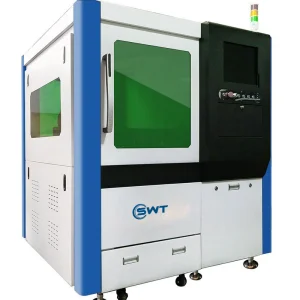
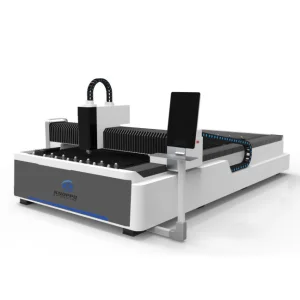
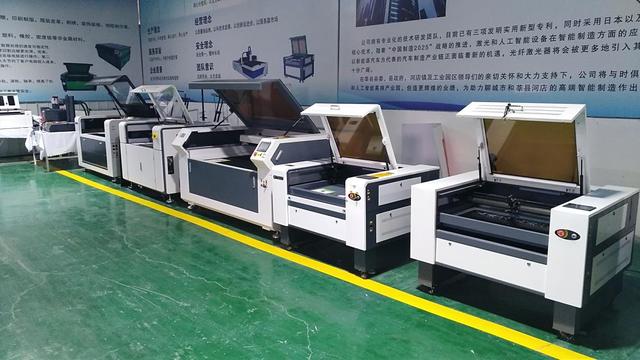
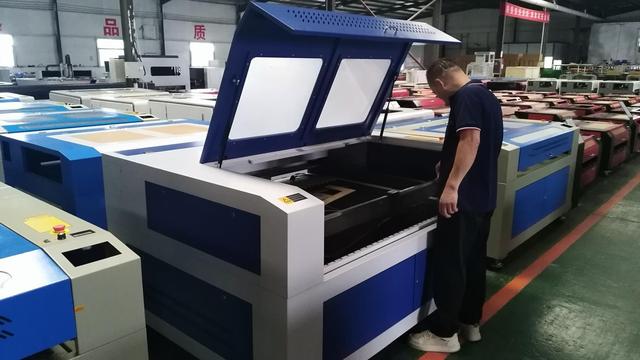
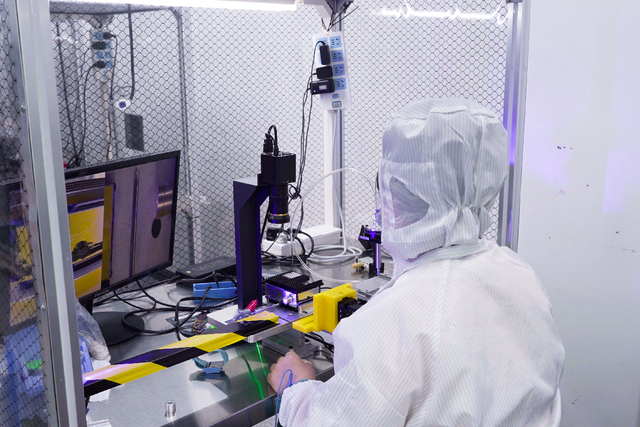
Foshan Stylo Laser Co., Ltd. is a professional manufacturer specializing in advanced industrial laser processing equipment, focusing on ceramic laser cutting machines and silicon steel laser cutting systems. The company is dedicated to delivering high-precision, high-efficiency laser solutions for modern manufacturing industries that require superior accuracy and stable performance.
Its core technology is applied in the processing of ceramic materials, electrical steel, and other advanced industrial materials used in transformers, electronics, energy systems, and precision components. By integrating fiber laser technology, CNC control systems, and intelligent automation, Foshan Stylo Laser provides cutting solutions that improve production efficiency while maintaining exceptional cutting quality and minimal material deformation.
The company’s equipment is widely used in industries such as power transmission, semiconductor manufacturing, electrical engineering, and high-end industrial manufacturing. It supports flexible production needs ranging from micro-precision cutting to large-scale industrial processing.
Foshan Stylo Laser Co., Ltd. emphasizes innovation, engineering excellence, and strict quality control. It also provides OEM and ODM customization services to meet diverse global customer requirements. With continuous investment in research and development, the company aims to advance laser processing technology and become a trusted global supplier of precision laser cutting solutions for ceramic, silicon steel, and advanced industrial materials.
Understanding supply chain constraints, capital expenditure optimization, and performance specification criteria for tier-1 industrial procurement.
Procurement engineers mandate verifiable metrics for MPE (Maximum Permissible Exposure), Kerf width, and Heat Affected Zone (HAZ) parameters to ensure compliance with automotive and aerospace standards.
Large-scale manufacturing requires high acceleration gantries (up to 2.0G) and linear motor systems that eliminate mechanical backlash and maximize hourly operational output.
Optimizing Total Cost of Ownership (TCO) by reducing gas consumption (N2/O2 assist gas flow regulation) and employing high-durability fiber optics with standard MTBF exceeding 100,000 hours.
| Sector Priority | Primary Metric Required | Critical OEM Solution | Safety/Compliance Standard |
|---|---|---|---|
| Automotive EV Stator Stamping | Minimization of interlaminar eddy-current losses | Short-pulse fiber lasers with dynamic focus adjustment | ISO 9001 / IATF 16949 Alignment |
| 3C Electronics & Ceramics | Zero-microcrack propagation on Al2O3/AlN | UV & Green wavelength nanosecond pulsed systems | CE Mark & FDA Class I enclosure safety |
| Aerospace Cooling Holes | Taper-free drilling profiles on superalloys | 5-Axis high-speed ultrafast (Femtosecond) laser heads | NADCAP Processing standard support |
Providing technical resolution pathways for structural engineering, power transmission, medical components, and materials science applications.
Traditional machining methods for electrical silicon steel and high-durability engineering ceramics (such as Alumina, Silicon Nitride, and Zirconia) introduce micro-fissures and thermal distortions that degrade structural and electromagnetic performance.
Our laser solutions integrate customized pulse shaping and real-time beam diagnostic mechanisms to deliver clean cutting boundaries. In electrical steel processing, maintaining the insulating oxide layer (Carlite coating) is paramount to preventing eddy-current generation. We design laser path routines that reduce thermal dispersion along the cutting profile, preserving magnetic performance.
The strategic development plans guiding laser machining architecture from 2025 through 2030, highlighting automation integration, machine learning pathfinders, and optical configurations.
Deployment of dynamic beam shaping (spatial light modulators) to adjust the energy profile from Gaussian to Top-hat geometries in real-time, matching material thickness changes.
Integrating vision-guided CCD cameras and acoustic emissions analytics. System automatically optimizes focal position and auxiliary gas pressures during live cutting phases.
Pioneering ultra-high power green laser applications to enable fast processing of copper, gold, and other highly reflective non-ferrous metals without thermal feedback damage to optics.
Guaranteeing absolute alignment with safety regulations, local customs clearances, and engineering standard frameworks.
Providing localized startup and commissioning services through regional service partners in NA, EU, and SEA. Complete spare parts stock availability within 24 hours.
Full system compliance under safety directives including EN 60825-1 (Laser Safety), ISO 11553 (Machinery Laser Safety), and UL/CSA certification protocols for industrial panels.
Providing complete verification documentation, material testing logs, and laser emission stability certificates with every shipped machine tool system.
Detailed technical answers to common queries from procurement specialists and systems integration engineers.
 Stylo Laser