Our flagship machinery series engineered for precise material ablation, micro-drilling, and micro-grooving with zero micro-cracking.
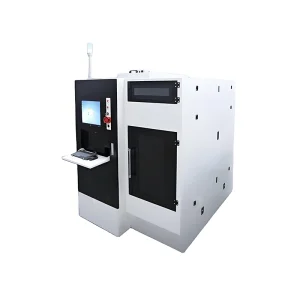
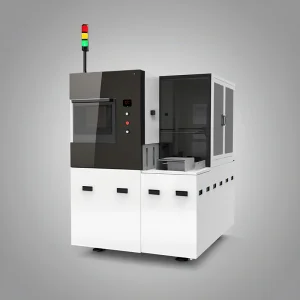
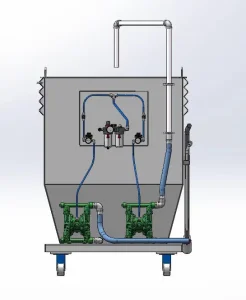
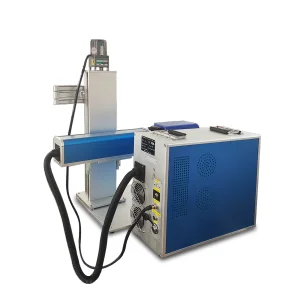
Sudan's industrial sector is progressively modernizing, transitioning away from traditional, highly abrasive mechanical grinding toward automated, high-precision laser-based technologies. Cities such as Khartoum, Omdurman, and Port Sudan serve as centers for civil construction, chemical glass production, laboratory-grade quartz fabrication, and regional distribution networks. There is a growing local demand for high-end processing of quartz, soda-lime glass, borosilicate glass, industrial ceramics, and semiconductor substrates to support local infrastructure and manufacturing growth.
However, the extreme ambient temperatures in East Africa, coupled with dust levels from geographical dry winds, present challenges for precision tools. Mechanical cutting of brittle materials often results in micro-cracks, chipping, and a high structural failure rate. Advanced CNC laser processing equipment, utilizing closed-loop liquid chilling and localized positive-pressure dust prevention, offers a stable, wear-free alternative. Leading manufacturers are introducing ultra-short pulse (picosecond and femtosecond) laser systems to Sudan, achieving micro-machining tolerances under 10 micrometers with minimal thermal impact.
Sealed IP54 enclosures and positive-pressure air systems protect precise optical paths from ambient dust contamination in industrial environments.
Integrated dual-stage water cooling loops regulate laser diodes, ensuring constant power output even when ambient factory temperatures exceed 40°C.
Optimized fiber laser source paths and durable optomechanical alignments minimize the need for high-frequency calibration and replacement parts.
The processing of brittle substrates, including quartz, structural ceramics, tempered glass, and sapphire, requires a solid understanding of structural mechanics and thermodynamics. Standard continuous wave (CW) or long-pulse CO2 lasers rely heavily on thermal melt ejection, which introduces significant thermal shock. This thermal shock leads to micro-cracking along cut edges, reducing the material's mechanical yield limit.
Modern industrial setups rely on non-thermal laser ablation or controlled inner-crack propagation. By deploying ultra-short pulses (femtosecond and picosecond laser engines), peak laser power reaches levels that ionize the target zone instantaneously. This creates a dense plasma state and transitions the solid target directly into gas without leaving liquid residue. The Heat Affected Zone (HAZ) is kept minimal, allowing for clean edge profiles and eliminating the need for post-processing cleaning stages.
For micro-optics and semiconductor applications, two technologies stand out:
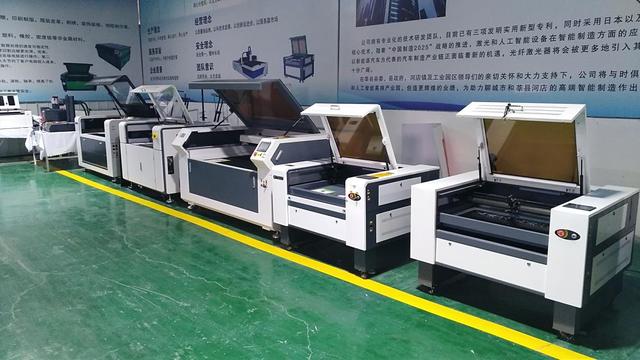
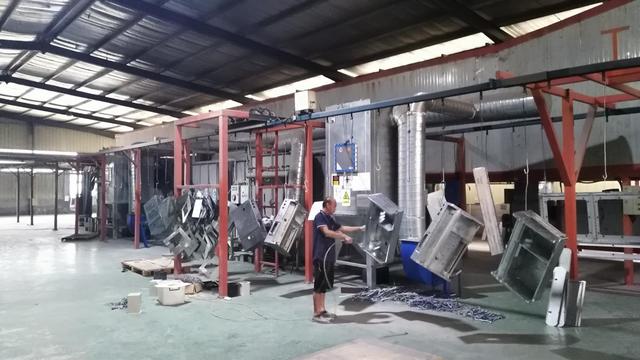
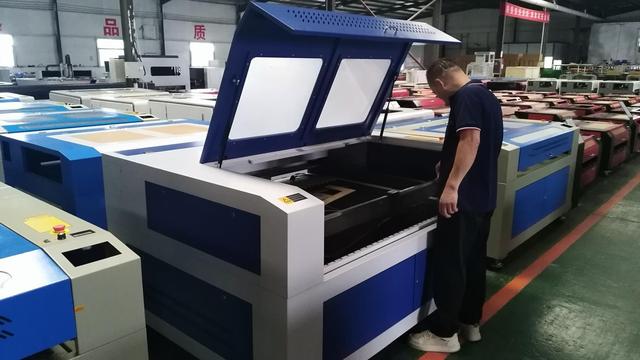
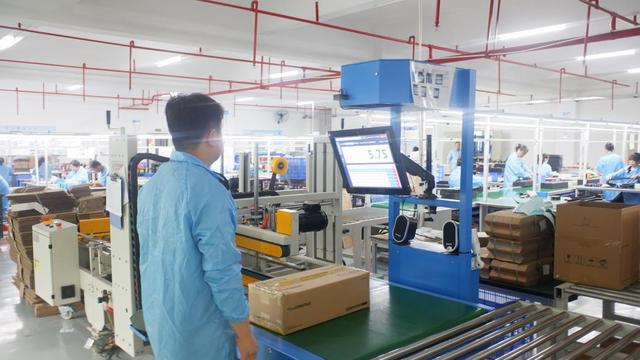
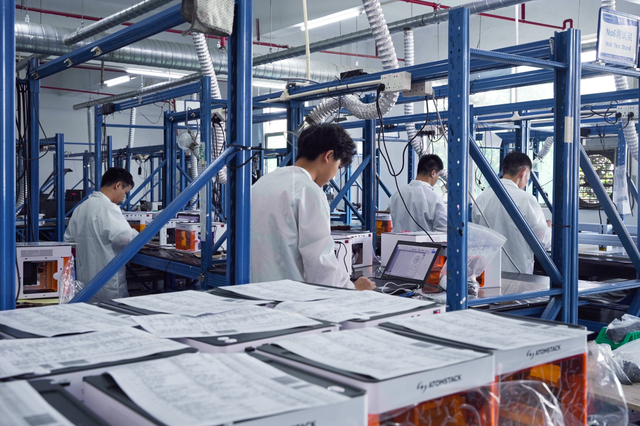
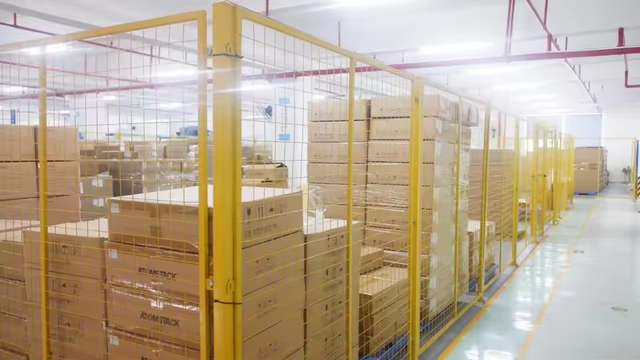
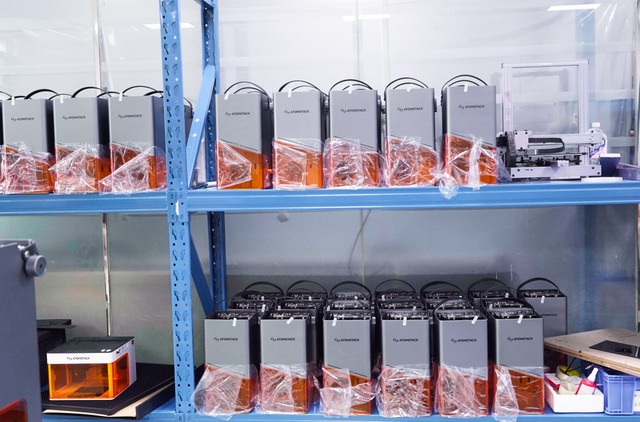
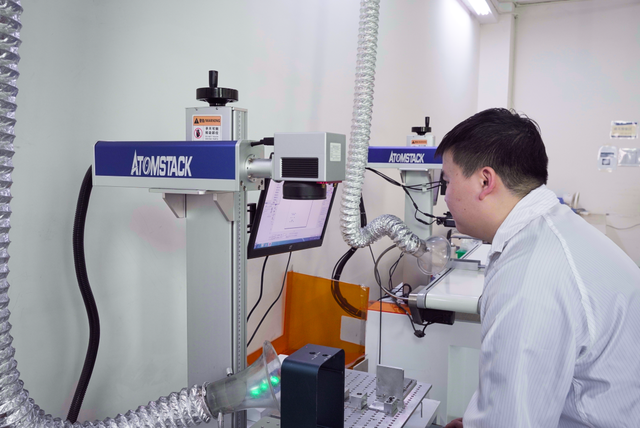
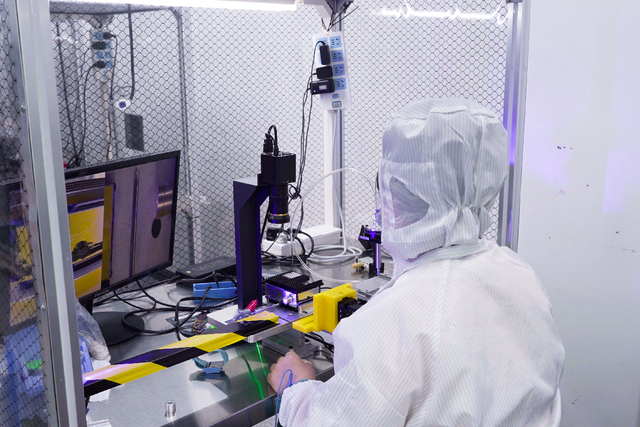
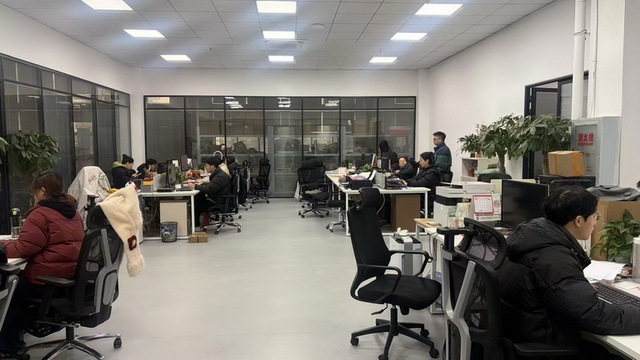
Our comprehensive range of laser processing solutions for glass, ceramic, sapphire, and semiconductor industries in Sudan.
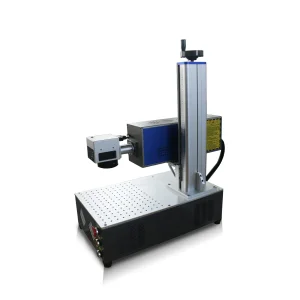
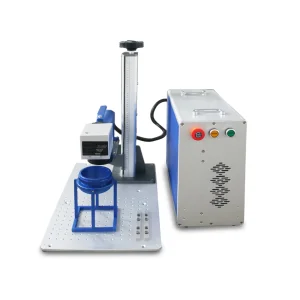
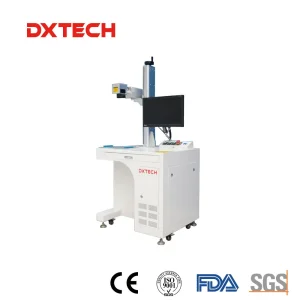
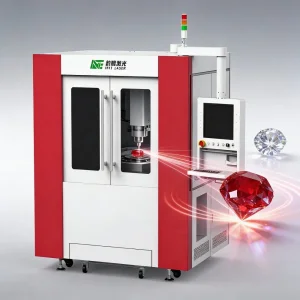
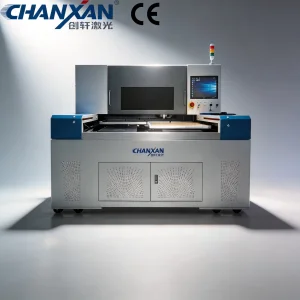
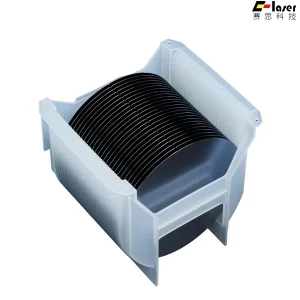
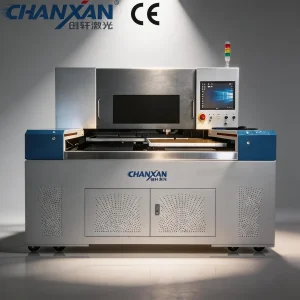
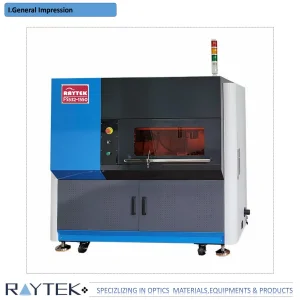
Adapting laser systems for the Sudanese market requires understanding the diverse fields of local application. Unlike broad, general-purpose cutting systems, brittle material lasers address specific needs in local industries, including construction, mining, agriculture, and high-tech research.
Sudan has abundant mineral deposits, particularly high-purity silica and quartz reserves in northern and eastern territories. Processing quartz into raw, dust-free wafers or test components for export demands precise thermal crack initiation and separation. Our laser systems enable dry-cutting techniques that preserve material purity without water contamination, supporting clean processing directly at mining facilities.
Universities and research laboratories in Khartoum depend on custom-formed borosilicate and quartz glassware for testing and analysis. Precision laser drilling and splitting systems make it easy to cut, perforate, and split chemical tubes, vials, and reactor plates. Automated laser cutting ensures smooth edges and structural integrity under high vacuum or high-temperature conditions.
Sudan is expanding its solar power infrastructure to leverage its abundant solar resources. However, high levels of sand and dust require durable, custom-cut protective glass covers. Precision laser cutting allows manufacturers to cut high-transmission, low-iron tempered glass without micro-fissures, minimizing structural weak points that can lead to cracking from thermal changes in desert environments.
The growing technology repair and telecom sectors require specialized materials like alumina and zirconia ceramic substrates. Traditional tooling causes micro-fissures and edge delamination during modifications. Our high-precision stealth dicing machines enable localized modifications, facilitating the processing of small IC and sensor components.
Foshan Stylo Laser Co., Ltd. is a manufacturer specializing in advanced industrial laser processing equipment. Our primary focus is developing high-end ceramic laser cutting machines and silicon steel laser cutting systems. We design solutions for industries requiring high precision, minimal material deformation, and long-term operating reliability under demanding conditions.
By integrating fiber laser technology with industrial CNC software control systems, our machines optimize precision cutting while reducing heat distortion. Key advantages for our partners in Sudan include:
Technical and operational insights for industrial buyers and procurement managers in Sudan.
Contact our technical sales team for tailored configurations, bulk quotation sheets, and custom testing services using your material samples.
 Stylo Laser