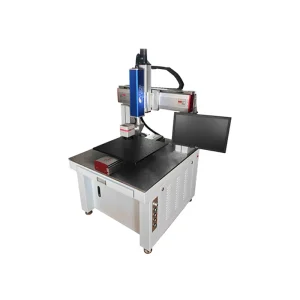
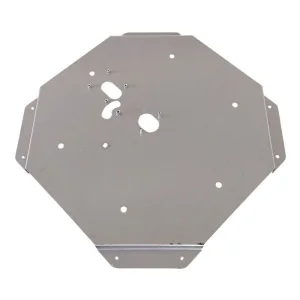
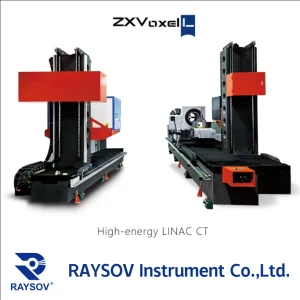
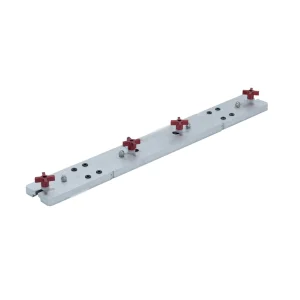
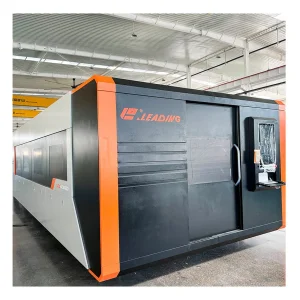
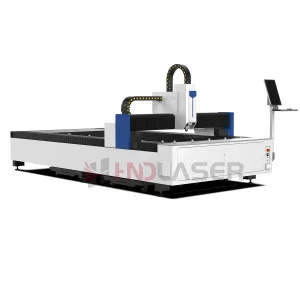
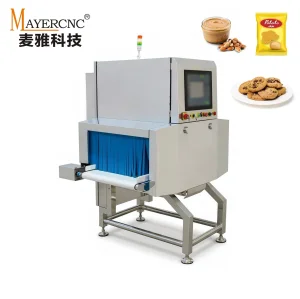
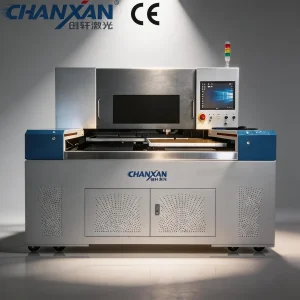
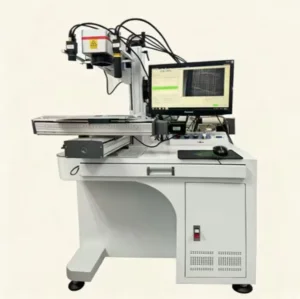
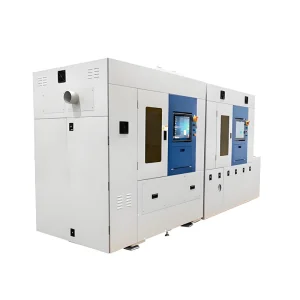
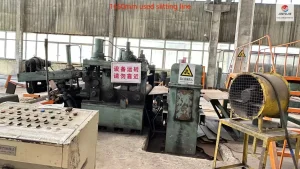
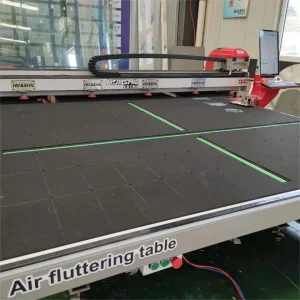
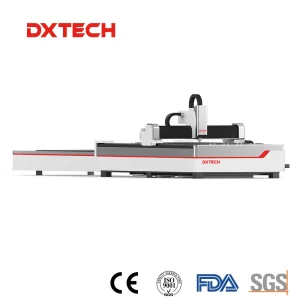
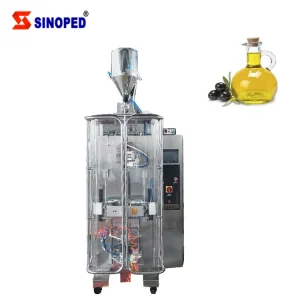
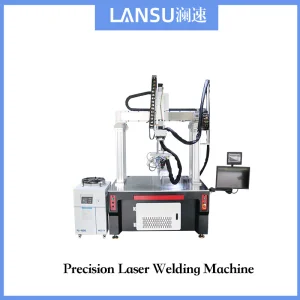
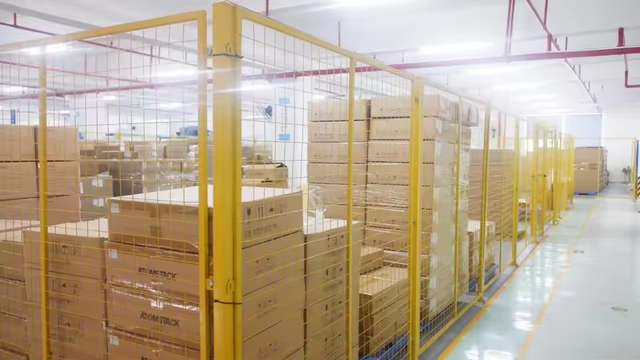
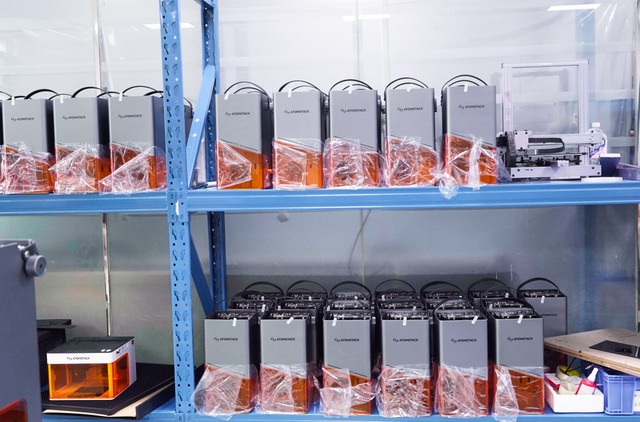
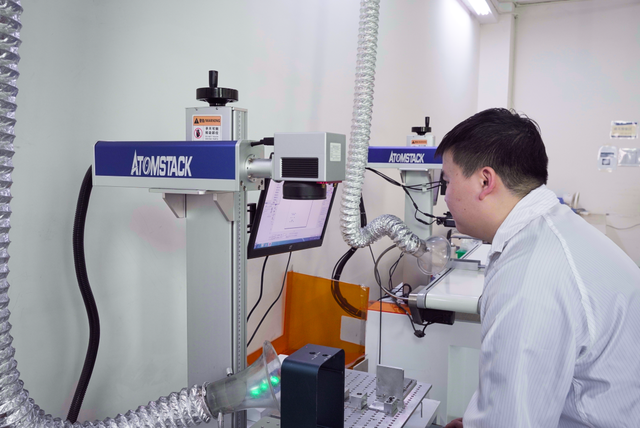
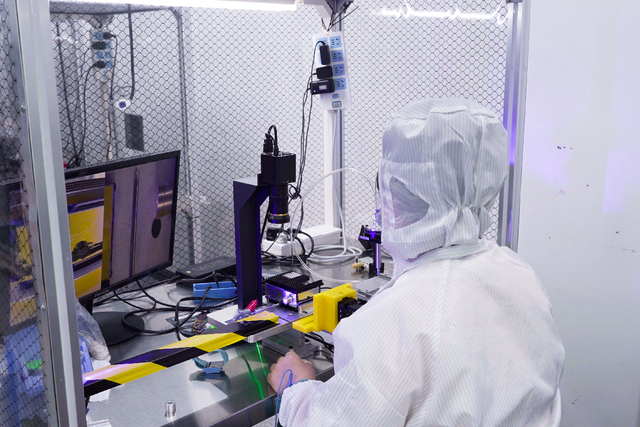
A selected portfolio showcasing our core high-precision processing capabilities, spanning high-speed etching, sheet metal fabrication, and advanced non-destructive testing systems.
In the era of microelectronics and semiconductor scaling, traditional blade dicing is hitting physical limitations. The mechanical stress, blade wear, and broad kerf width of physical saws lead to micro-cracking and high delamination rates, particularly in hard and brittle materials. This is where Laser Dicing Technology has transitioned from an experimental process to a mainstream global standard.
Whether using laser ablation or stealth dicing mechanisms, modern laser dicing utilizes highly localized energy transfer. By focusing nanosecond, picosecond, or femtosecond laser pulses, we achieve high-speed singulation with a virtually non-existent Heat Affected Zone (HAZ).
Industries globally are adopting customized OEM laser processing lines to handle next-generation components. From silicon wafers and Silicon Carbide (SiC) substrates to high-performance ceramics and laminated glasses, our technology ensures maximum yield. As a pioneering OEM laser dicing technology supplier, we engineer system integrations that meet the stringent demands of consumer electronics, automotive power modules, aerospace components, and biomedical technologies.
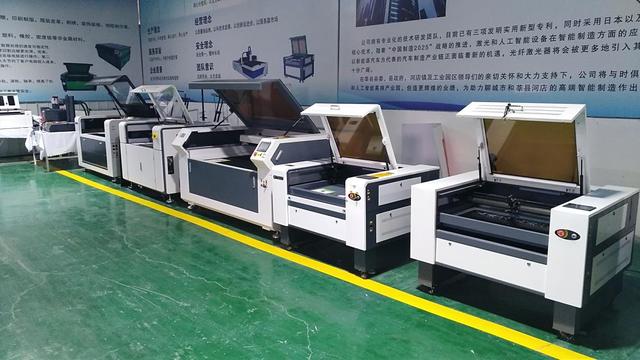
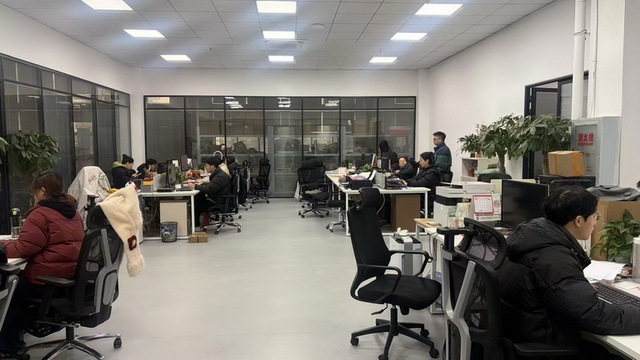
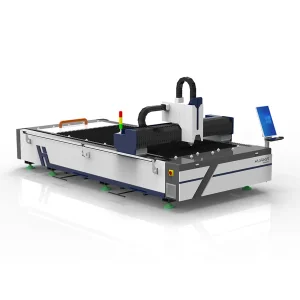
Foshan Stylo Laser Co., Ltd. is a professional manufacturer specializing in advanced industrial laser processing equipment, focusing on ceramic laser cutting machines and silicon steel laser cutting systems. The company is dedicated to delivering high-precision, high-efficiency laser solutions for modern manufacturing industries that require superior accuracy and stable performance.
Its core technology is applied in the processing of ceramic materials, electrical steel, and other advanced industrial materials used in transformers, electronics, energy systems, and precision components. By integrating fiber laser technology, CNC control systems, and intelligent automation, Foshan Stylo Laser provides cutting solutions that improve production efficiency while maintaining exceptional cutting quality and minimal material deformation.
The company's equipment is widely used in industries such as power transmission, semiconductor manufacturing, electrical engineering, and high-end industrial manufacturing. It supports flexible production needs ranging from micro-precision cutting to large-scale industrial processing.
Foshan Stylo Laser Co., Ltd. emphasizes innovation, engineering excellence, and strict quality control. It also provides OEM and ODM customization services to meet diverse global customer requirements. With continuous investment in research and development, the company aims to advance laser processing technology and become a trusted global supplier of precision laser cutting solutions for ceramic, silicon steel, and advanced industrial materials.
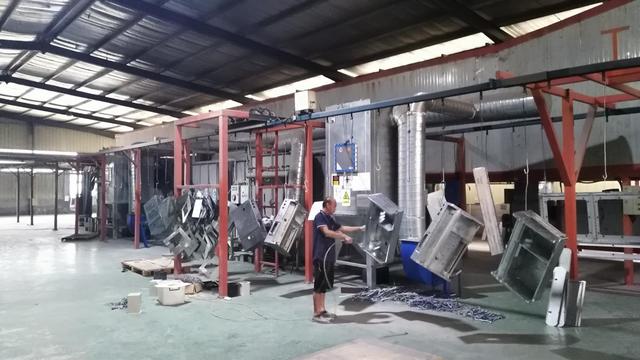
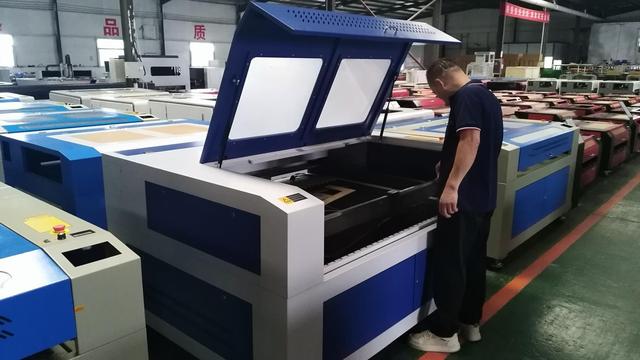
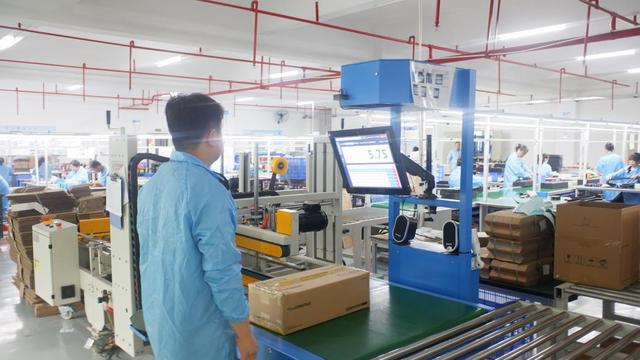
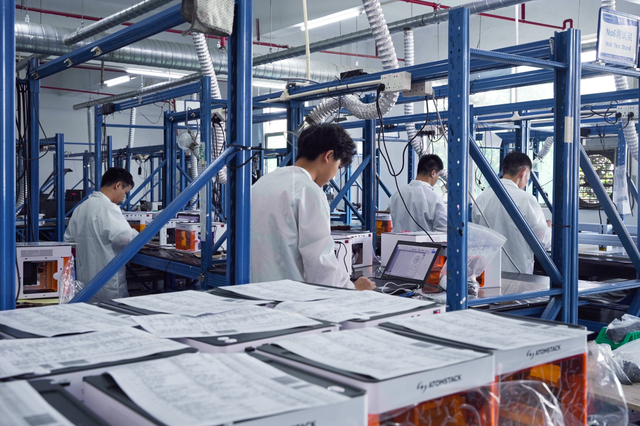
As an expert OEM designer, we configure laser systems optimized for unique material features. The table below represents how we target key substrates to yield zero chipping, maximum tool life, and elevated production efficiency.
With the rise of electric vehicles and high-power density RF systems, Silicon Carbide (SiC) and Gallium Nitride (GaN) have become dominant substrates. Our stealth dicing technologies slice through hard wide-bandgap materials with sub-micron positioning.
Alumina (Al₂O₃) and Aluminum Nitride (AlN) substrates require extremely high energy inputs due to thermal dissipation. Stylo Laser's customized systems integrate optimized pulsing architectures to bypass cracking issues.
For high-efficiency power transformers, maintaining structural integrity and minimizing magnetic core loss is critical. Stylo's specialized non-contact laser systems reduce edge burrs and ensure maximum magnetic flux densities.
The progression of laser dicing technology focuses on shortening the pulse width and shifting wavelengths to optimize material absorption properties. This technological roadmap outlines Stylo's development track toward microscale manufacturing.
Traditional laser dicing relied heavily on photothermal processing. Long laser interaction windows resulted in moderate heat-affected zones, suitable mainly for structural steel and general metal sheet processing.
Shifting to picosecond (10⁻¹² s) laser domains enabled a blend of photothermal and photo-chemical ablation. This development reduced HAZ by over 70%, facilitating dicing for brittle glasses and consumer electronics components.
Femtosecond (10⁻¹⁵ s) pulses enable "cold ablation," breaking material molecular bonds before thermal diffusion occurs. Ideal for semiconductor SiC wafers, medical implants, and ultra-thin technical ceramics.
Integrating machine vision and adaptive AI controls enables the system to detect sub-micron structural shifts and dynamically adjust pulse energy, ensuring zero defects across complex component runs.
Address critical engineering queries and explore why leading global OEMs select Stylo Laser as their primary system vendor.
Explore our secondary portfolio covering high-power industrial fiber cutters, automated wafer processing platforms, medical grade marking solutions, and laminated glass cutters.
 Stylo Laser