Stylo Laser
1. Executive Summary & Scope of Advanced Non-Metal Ceramic Processing in Daejeon
The Daejeon Metropolitan Area, anchored by Daedeok Innopolis (Daedeok Science Town), represents the epicenter of South Korea’s advanced technological research, semiconductor substrate development, and precision material engineering. As global technology industries transition toward higher thermal efficiency, extreme chemical resistance, and dielectric isolation, non-metal engineering ceramics—such as Alumina ($Al_2O_3$), Aluminum Nitride ($AlN$), Silicon Carbide ($SiC$), and Zirconia ($ZrO_2$)—have become foundational materials. However, their extreme hardness, brittle nature, and high thermal sensitivity present significant mechanical machining bottlenecks.
This comprehensive white paper examines the technological requirements, supply chain strategies, and quality verification methodologies for non-metal ceramic material processing systems supplied to manufacturers and scientific institutes in Daejeon. Through the convergence of ultra-fast fiber laser ablation, visual auto-positioning, and dual-energy X-ray non-destructive examination (NDE), equipment suppliers like Foshan Stylo Laser Co., Ltd. and advanced inspection specialists offer non-contact, thermal-stress-free solutions tailored to Daejeon’s stringent industrial standards.
2. Local Market Profile: Daejeon as South Korea’s High-Tech R&D Hub
Daejeon hosts over 28 government-funded research institutes, including KAIST (Korea Advanced Institute of Science and Technology), ETRI (Electronics and Telecommunications Research Institute), and KIMS (Korea Institute of Materials Science). The regional manufacturing landscape focuses heavily on:
- Semiconductor Wafer Processing & Substrate Packaging: High-density interposers, ceramic micro-fluidic channels, and heat sinks requiring sub-micron kerf precision without micro-cracking.
- Aerospace & Defense Components: High-temperature ceramic matrix composites (CMCs) and radomes manufactured to withstand extreme mechanical forces.
- Optoelectronics & 5G/6G RF Modules: Low-Temperature Co-fired Ceramics (LTCC) and High-Temperature Co-fired Ceramics (HTCC) requiring high-speed laser scribing and precision via-hole drilling.
Traditional mechanical diamond dicing saw blades and abrasive jet machining induce severe subsurface micro-fractures, delamination, and excessive tool wear when applied to high-hardness ceramics. Consequently, Daejeon-based procurement officers and process engineers actively seek state-of-the-art non-contact optical laser cutting and real-time visual alignment processing systems.
Foshan Stylo Laser Co., Ltd. Manufacturing Excellence
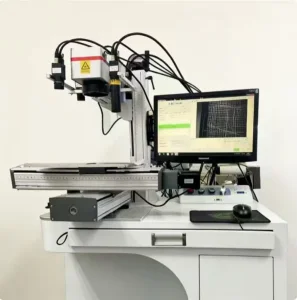
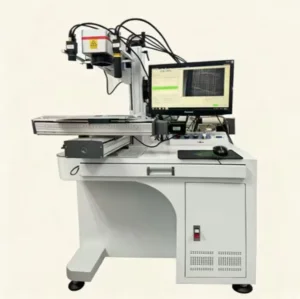
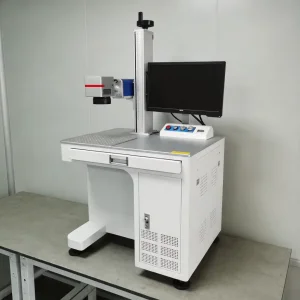
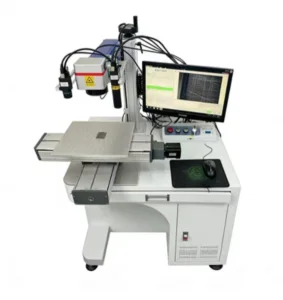
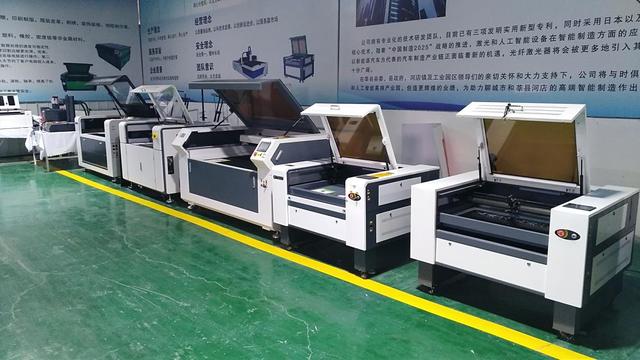
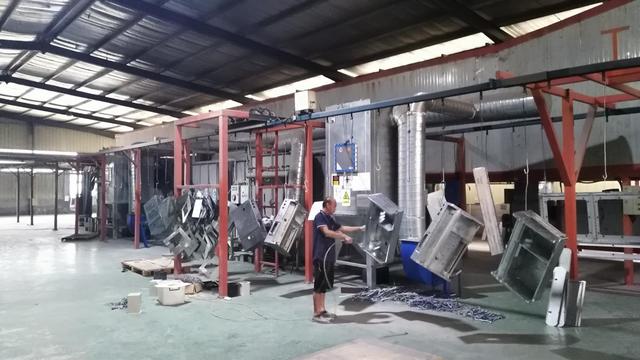
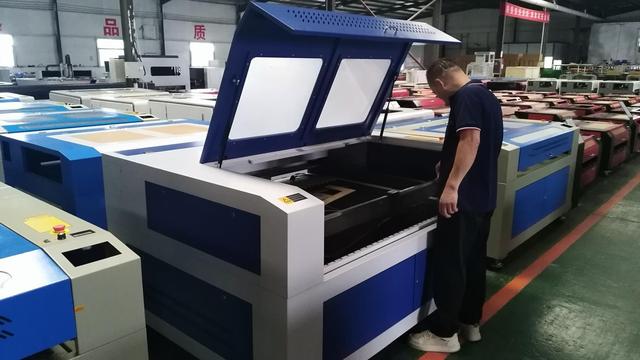
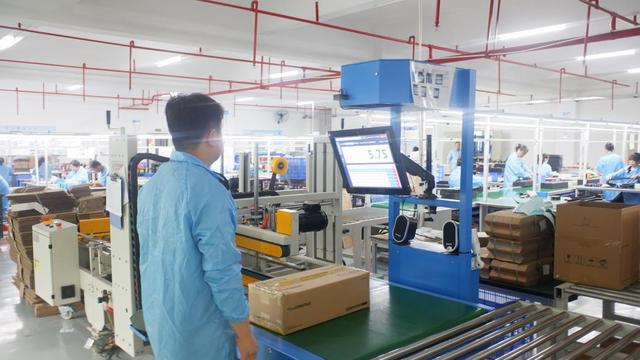
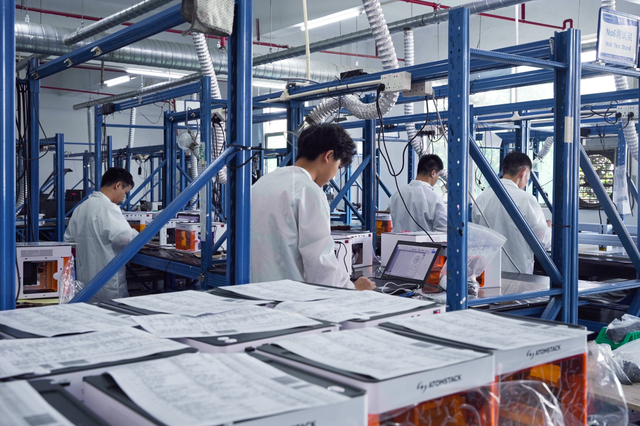
Foshan Stylo Laser Co., Ltd. is a leading manufacturer specializing in industrial laser processing machinery, specifically focusing on ultra-precise ceramic laser cutting machines, silicon steel systems, and automated vision marking platforms. By integrating state-of-the-art fiber lasers, CNC multi-axis synchronization, and automated vision algorithms, Stylo Laser equips industrial clients across South Korea with thermal-deformation-free cutting systems.
3. Technical Architecture: Non-Metal Ceramic Laser Processing & Quality Control
Processing non-metal ceramics requires tailored optical laser sources capable of cold photo-ablation or controlled thermal fracture. Below is an engineering overview of key technical mechanisms:
3.1. Ultra-Short Pulse (USP) Femtosecond & Picosecond Laser Ablation
By delivering laser energy in pulse durations shorter than the electron-phonon coupling time ($< 10 \text{ ps}$), ultra-short pulse lasers ablate ceramic substrate material before heat can conduct into the bulk ceramic body. This eliminates the Heat-Affected Zone (HAZ), preventing micro-crack propagation, edge chipping, and thermal stress buildup in sensitive silicon carbide and alumina substrates.
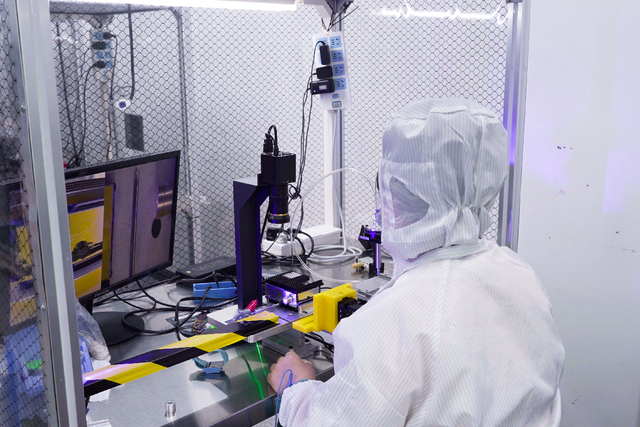
3.2. Machine Vision & Gigabit CCD Auto-Alignment
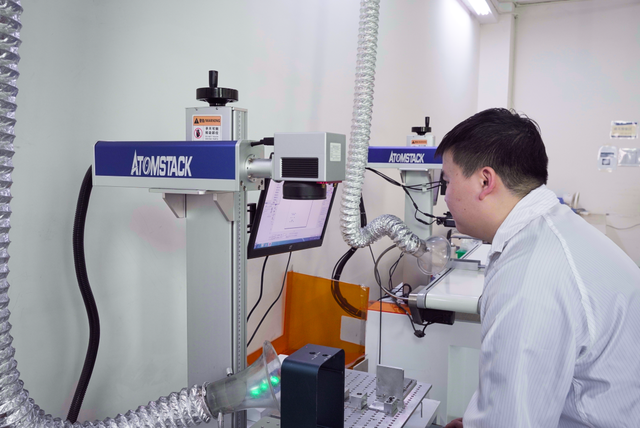
Modern ceramic marking and micro-machining systems integrate high-resolution Gigabit Ethernet network cameras equipped with telecom-grade optical lenses. By detecting fiducial markers on raw ceramic green tapes or sintered wafers, the software automatically compensates for thermal expansion warp or positioning misalignments down to $\pm 0.002 \text{ mm}$.
3.3. Industrial X-Ray NDT Micro-Defect Inspection Integration
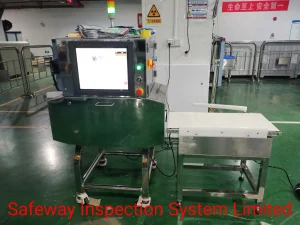
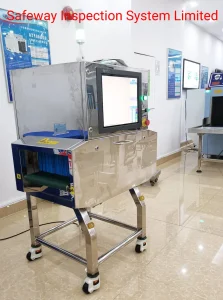
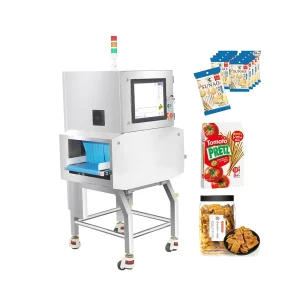
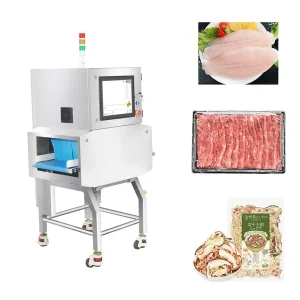
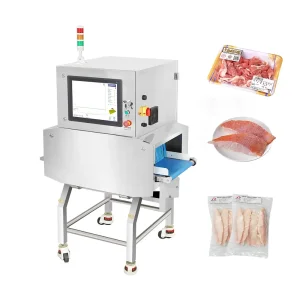
Machined ceramic components used in high-voltage transformers or medical devices require 100% non-destructive validation. Integrated digital X-ray inspection systems identify internal voids, high-density metallic inclusions, micro-cracks, and structural delaminations without damaging the component.
4. Global Procurement Criteria & Engineering Standards for Daejeon Buyers
Global supply chain managers and technical buyers sourcing machinery for the Daejeon market evaluate suppliers against five critical operational criteria:
- Positioning Accuracy & Repeatability: Optical encoders and linear motor drives must achieve a positioning accuracy of $\le \pm 1 \mu\text{m}$.
- Cleanroom Compatibility: Equipment operating in semiconductor sub-fab environments must comply with ISO Class 5 cleanroom standards, featuring HEPA filtration exhaust systems to manage toxic ceramic airborne dust ($AlN / SiC$).
- Multi-Material Adaptability: Capability to seamlessly switch between non-metal ceramics, quartz, sapphire, and silicon steel sheets without major mechanical retooling.
- Software Protocol Interoperability: Native support for SECS/GEM protocols to enable automated data exchanges with smart factory central management software.
- OEM/ODM Customization Capabilities: Ability to customize custom automated conveyors, multi-axis rotary tables, and localized dual-camera vision systems.
5. Technological Roadmap & Future Outlook (2025–2030)
The non-metal ceramic processing industry is rapidly transitioning toward AI-assisted real-time laser power modulation and inline 3D X-ray tomography. As sub-5nm semiconductor nodes proliferate, ceramic substrate flatness tolerances approach sub-micron levels. Suppliers are developing adaptive optical depth tracking systems that dynamically adjust the laser focal plane during high-speed scanning over warped ceramic wafers.
Furthermore, green manufacturing initiatives across South Korea mandate reduced energy footprints. Fiber laser systems supplied by market leaders achieve up to 35% electrical-to-optical efficiency, reducing thermal energy dissipation and operational carbon footprints compared to legacy $CO_2$ laser systems.
6. Localization Support, Compliance & After-Sales Warranty
Deploying non-metal processing systems in Daejeon requires strict compliance with local South Korean regulatory frameworks. Equipment imported or supplied to Daedeok Innopolis facilities must carry KC (Korea Certification) for electromagnetic compatibility and safety, along with CE marking for global export standardization.
Foshan Stylo Laser and its regional partners provide rapid localized technical support across Daejeon, offering 24/7 spare parts response, onsite engineer calibration, custom jig design, and operator training programs to guarantee maximum uptime.