Explore our leading industrial process packages, core hardware stages, and advanced material structures optimized for international manufacturing workflows.
Unveiling the structural changes, regional demands, and material advancements shaping the modern high-precision laser cutting landscape.
The industrial landscape is undergoing a critical transition phase. Historically, traditional mechanical tooling and legacy carbon dioxide (CO2) laser systems dominated mass fabrication. Today, the global manufacturing index demands hyper-precision, minimal thermal deformation, and custom agility. Solid-state fiber lasers, ultrashort pulse (USP) lasers, and customized green wave systems are now at the center of precision engineering.
As the international economy pushes for electrification and semiconductor independence, regions such as North America, Europe, and the Asia-Pacific are reshaping their supply chains. There is a surging demand for specialized sub-micron machining capabilities to process hard, brittle, or sensitive materials. Examples include alumina ceramics, silicon wafers, and electrical steel sheets used in high-efficiency transformers. R&D-driven manufacturers are shifting away from general-purpose machinery toward custom-engineered, multi-disciplinary process packages that integrate motion stages, advanced software control, and customized optical paths.
Delivering high-precision, high-efficiency laser solutions for modern manufacturing industries requiring superior accuracy and stable performance.
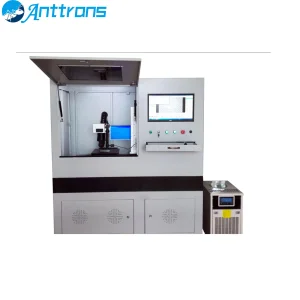
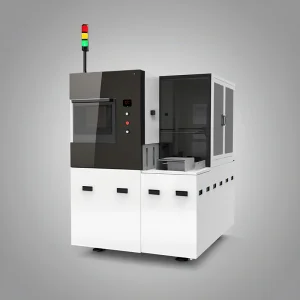
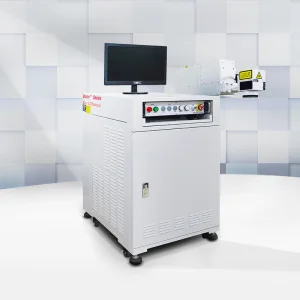
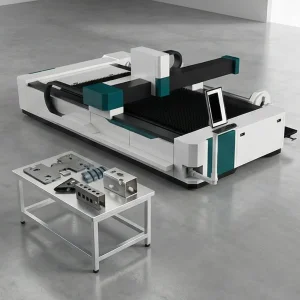
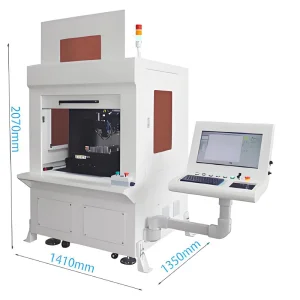
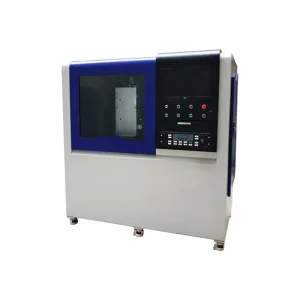
Foshan Stylo Laser Co., Ltd. is a professional manufacturer specializing in advanced industrial laser processing equipment, focusing on ceramic laser cutting machines and silicon steel laser cutting systems. The company is dedicated to delivering high-precision, high-efficiency laser solutions for modern manufacturing industries that require superior accuracy and stable performance.
Its core technology is applied in the processing of ceramic materials, electrical steel, and other advanced industrial materials used in transformers, electronics, energy systems, and precision components. By integrating fiber laser technology, CNC control systems, and intelligent automation, Foshan Stylo Laser provides cutting solutions that improve production efficiency while maintaining exceptional cutting quality and minimal material deformation.
The company’s equipment is widely used in industries such as power transmission, semiconductor manufacturing, electrical engineering, and high-end industrial manufacturing. It supports flexible production needs ranging from micro-precision cutting to large-scale industrial processing.
Foshan Stylo Laser Co., Ltd. emphasizes innovation, engineering excellence, and strict quality control. It also provides OEM and ODM customization services to meet diverse global customer requirements. With continuous investment in research and development, the company aims to advance laser processing technology and become a trusted global supplier of precision laser cutting solutions for ceramic, silicon steel, and advanced industrial materials.
The convergence of automation, multi-wavelength optics, and hybrid micro-machining solutions.
Integrating laminar water jets with high-intensity fiber lasers. The water waveguide cools the workpiece directly, virtually eliminating the Heat-Affected Zone (HAZ) and preventing micro-cracking in delicate wafer-scale matrices.
Focusing laser energy beneath the material surface to induce localized modification without surface damage. Crucial for dicing thin silicon and silicon carbide (SiC) semiconductors with minimal kerf loss.
Real-time thermal cameras and positioning sensors adjust parameters dynamically. This ensures consistent ablation depth, counteracts material variation, and prevents micro-structural defects.
Engineered laser frameworks built to solve production challenges across key manufacturing sectors.
Power Systems & Transformative Core Grid Manufacturing: Silicon steel processing is highly sensitive to stress. Mechanical stamping often introduces shearing stresses that degrade magnetic properties. Stylo Laser’s specialized fiber cutting setups maintain sheet flatness and optimize cutting boundaries, minimizing core loss.
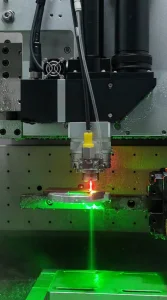
Semiconductor & IC Packaging: Processing silicon carbide wafers, dicing sapphire sub-assemblies, and creating micro-vias in glass demand highly concentrated, short-wavelength energy. Our automatic green and UV laser configurations deliver clean, burr-free cuts with sub-micron positioning accuracy.
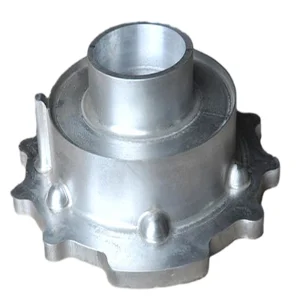
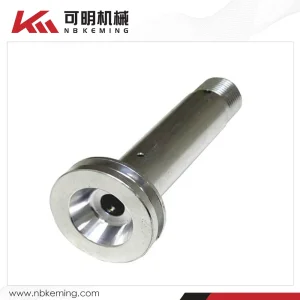
Precision Structural Machinery: Our high-precision multi-axis welding and micro-machining solutions enable the fabrication of medical nozzles, custom automotive braking elements, and wear-resistant alumina ceramic guides, providing high durability and tight operational tolerances.
Charting the path toward sub-micron machining, green energy applications, and fully integrated smart laser hubs.
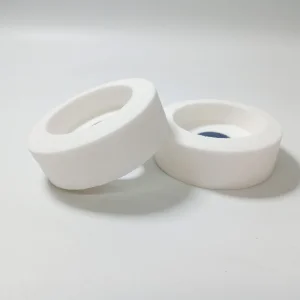
Deploying specialized water-guided hybrid packages to minimize micro-crack creation in brittle industrial ceramic layers and high-hardness ceramic wheels.
Expanding the stealth dicing product line to process wafer thicknesses down to 50 micrometers. This helps minimize physical kerf loss and maximize semiconductor yields.
Integrating real-time laser alignment sensors, automated parts handling, and cloud-linked analytics for zero-downtime manufacturing facilities.
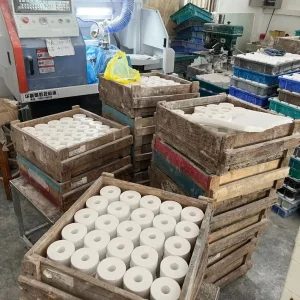
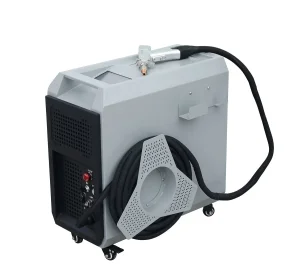
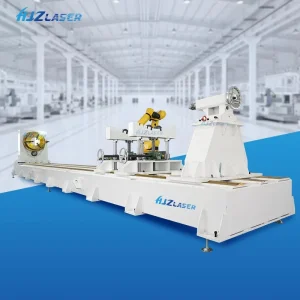
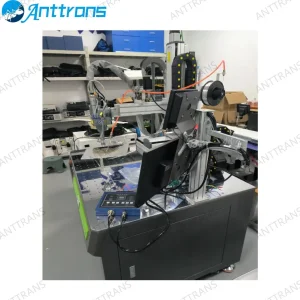
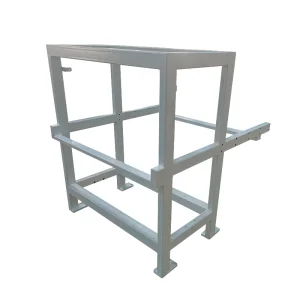
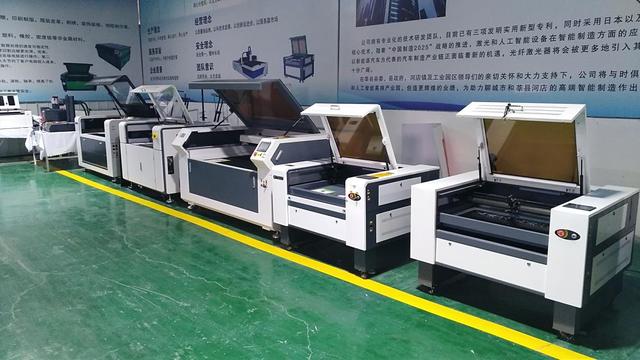
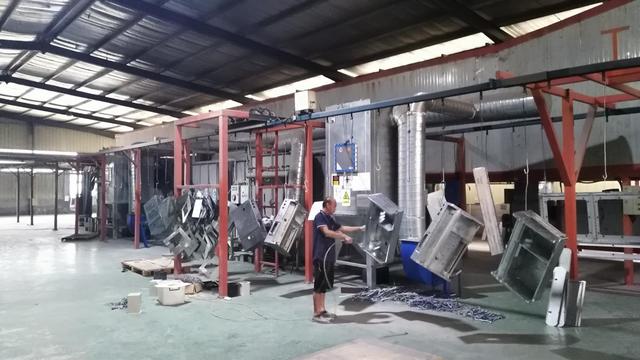
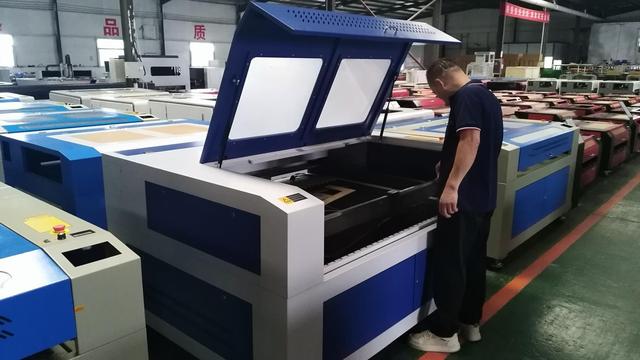
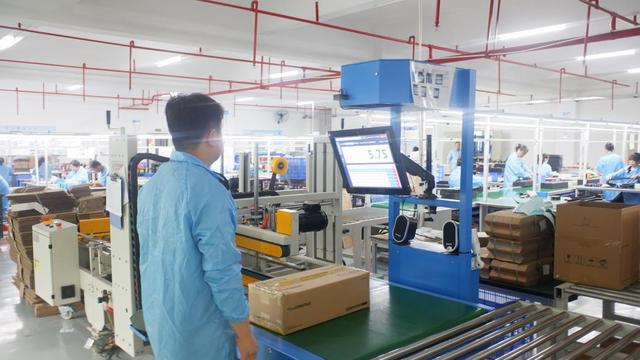
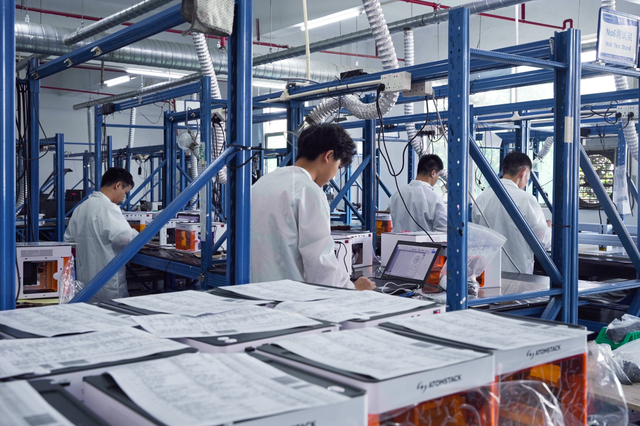
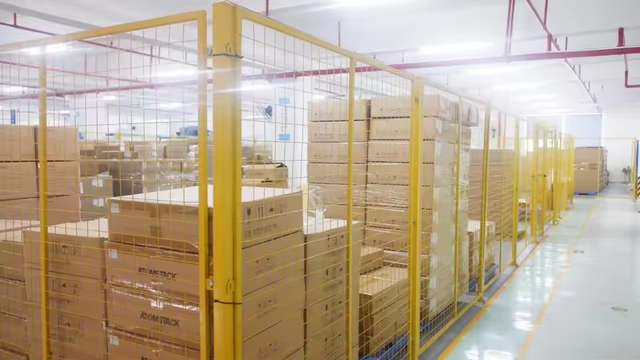
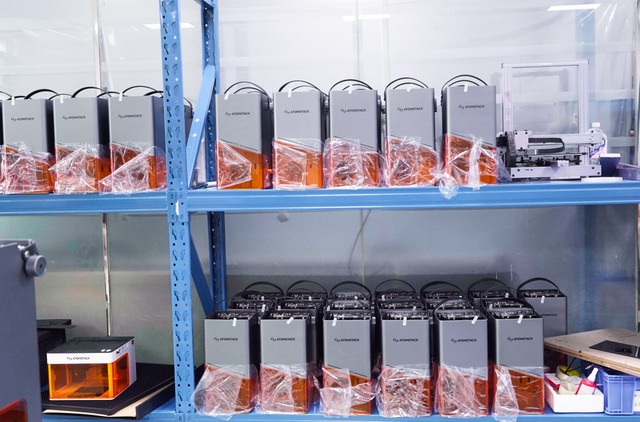
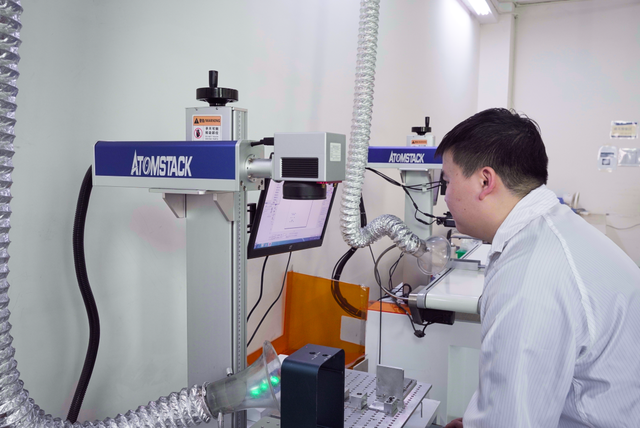
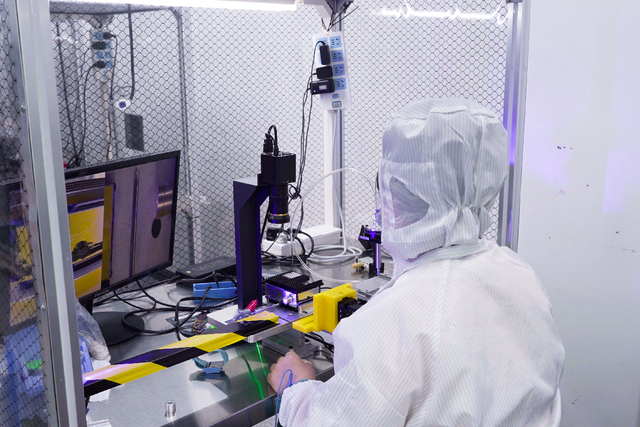
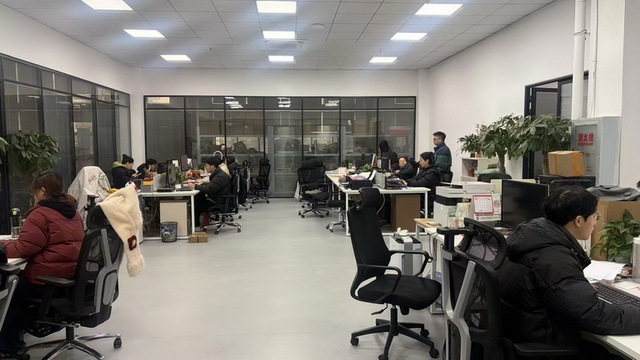
A glimpse inside Foshan Stylo Laser's production facilities, structural components, and high-precision systems.
Answers to complex inquiries regarding laser cutting mechanics, material interactions, and machinery options.
Explore our specialized industrial laser systems and components designed for high accuracy and long-term reliability.
 Stylo Laser